






The Seven-Wear Cycle
In the world of fast fashion, trends move at lightning speed. With some brands dropping thousands of new styles weekly, the pressure to keep up is immense. This has cultivated a 'wear it once' culture, particularly amplified by social media. The result
is a dramatic decrease in the lifespan of our clothes. Studies consistently show that the average fast fashion item is worn only seven to ten times before it is cast aside. This represents a decline of over 35% in just 15 years, a clear indicator that we are buying more clothes but wearing them far less. This cycle of rapid purchase and quick disposal is the engine of the industry, but it comes at a significant, often unseen, cost.
The Illusion of a Bargain
A low price tag is tempting, but it masks the true value of a garment. The real measure of an item's worth is its 'cost per wear'—the total price divided by the number of times you wear it. A shirt that costs a small amount but is only worn twice is technically more expensive per wear than a high-quality, pricier shirt worn fifty times. Fast fashion relies on planned obsolescence; clothes are often designed to fall apart after a few washes, and trends are meant to become dated within weeks. This ensures consumers keep coming back for the next new thing, chasing a fleeting feeling of newness while their actual cost per wear remains surprisingly high.
The Psychology of the Purchase
Why do we buy clothes we know we might not wear? The answer lies in our brain chemistry. Shopping, especially for a bargain, triggers a release of dopamine, a feel-good chemical. Fast fashion brands masterfully exploit this by creating a sense of urgency with limited-time offers and constantly rotating stock, feeding into our fear of missing out (FOMO). This creates a cycle of impulse buying where the momentary high of the purchase outweighs the long-term utility of the item. This psychological loop keeps consumers hooked, filling wardrobes with items that offered a brief thrill but serve little practical purpose.
India's Growing Mountain of Waste
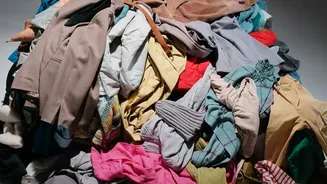
The consequences of this under-utilization are stark, especially in India, which generates approximately 7.8 million tonnes of textile waste annually. This makes the textile industry the third-largest source of dry waste in the country's municipal systems. While a portion of this is recycled, a significant amount ends up in overflowing landfills. Unlike natural fibres, synthetic materials like polyester, which are common in fast fashion, can take centuries to decompose. As they break down, they release harmful microplastics and greenhouse gases, polluting soil, water, and air. The sheer volume of discarded clothing, much of it from post-consumer waste, is straining waste management systems across the nation.
Breaking the Cycle
Shifting away from this wasteful model doesn't require a complete overhaul of one's life. It begins with mindful consumption. One popular guideline is the '30 Wears Test': before buying an item, ask yourself if you can commit to wearing it at least 30 times. This simple question encourages a focus on quality, versatility, and timeless style over fleeting trends. By investing in fewer, more durable pieces, you not only build a more sustainable wardrobe but also often save money in the long run by lowering your cost per wear. It's about shifting the mindset from a constant chase for newness to a more deliberate and personal approach to style, valuing what you own and wearing it with intention.