

The Soulful Foundation of Festive Food
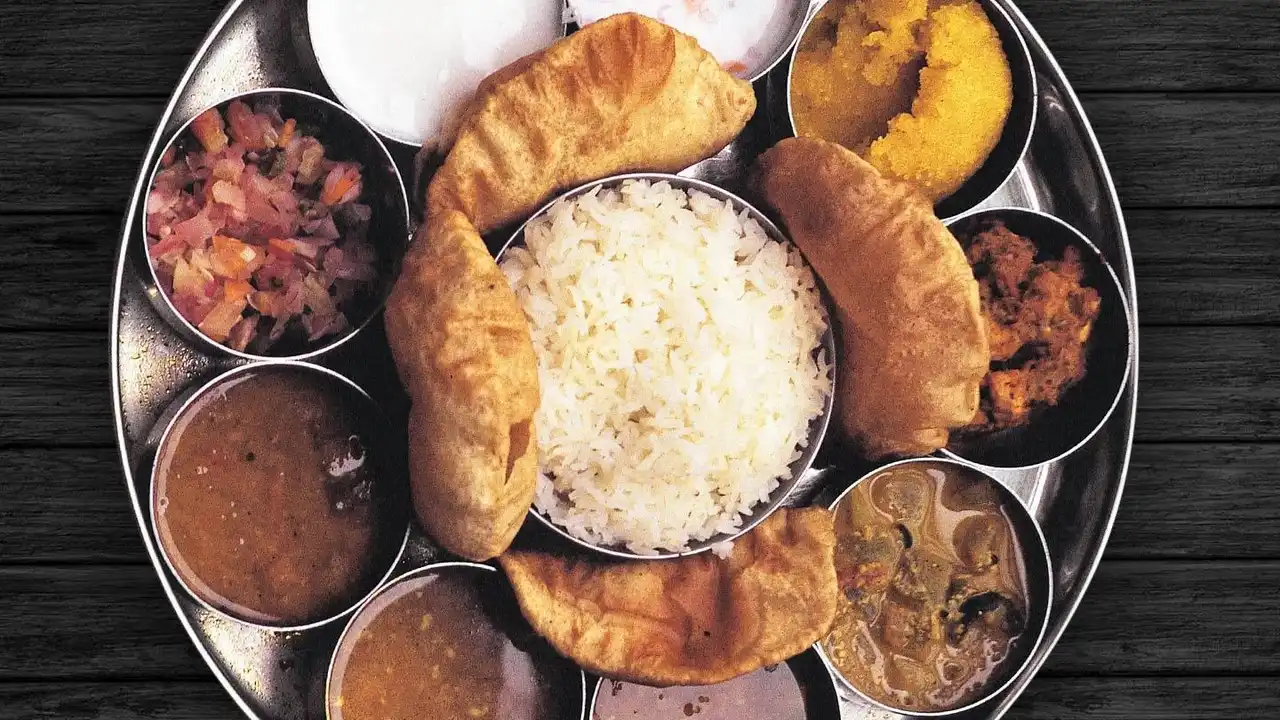
In India, festival food is more than just sustenance; it’s a language of love and heritage. Each region has its own cherished dishes that define a celebration. Think of the wholesome Litti Chokha savoured during Chhath Puja in Bihar, the sweet, fragrant
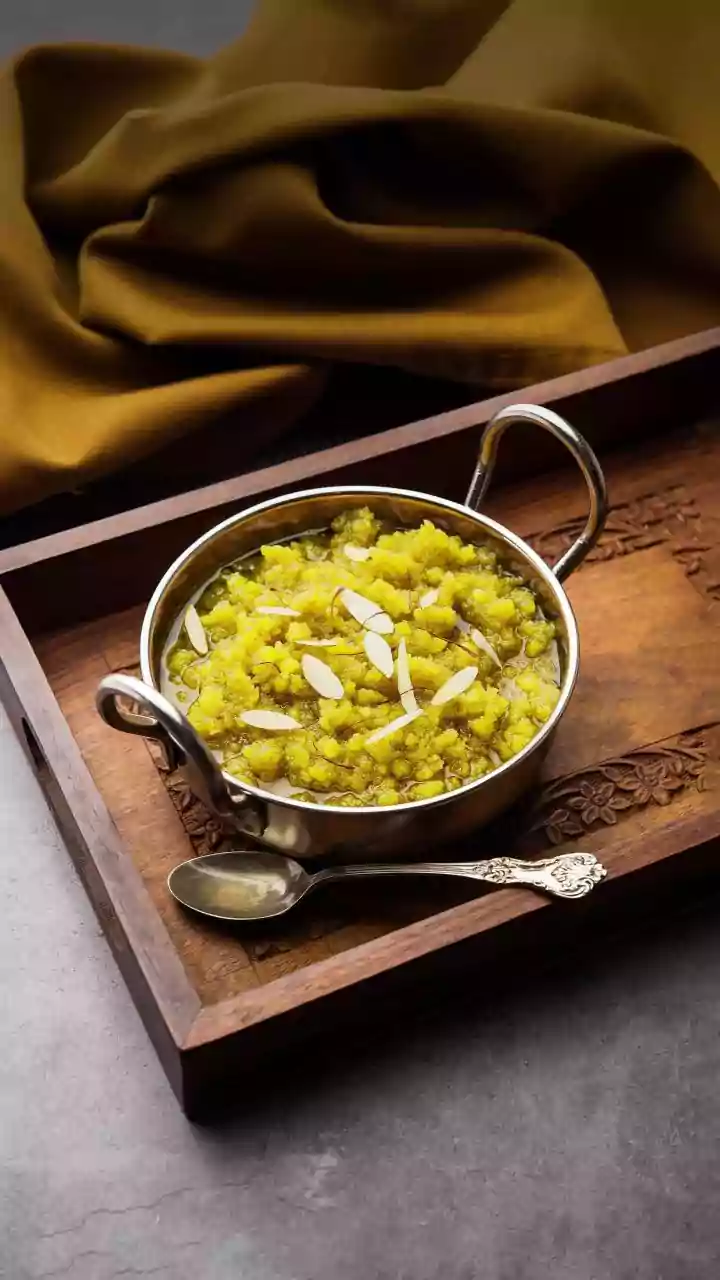
Puran Poli of Maharashtra's Ganesh Chaturthi, or the complex, earthy Undhiyu that marks Gujarat's Uttarayan. These dishes are anchors of identity, their recipes passed down through generations. They are comfort foods in the truest sense, offering a taste of home and a connection to one's roots. This deep emotional resonance is precisely why they have remained central to festive tables for centuries.
The New Wave of Culinary Creativity
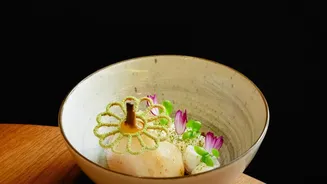
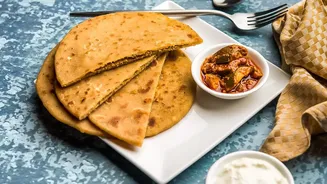
A quiet but delicious revolution is underway. While the soul of these dishes remains, their form is being playfully reimagined. This new movement is moving beyond early fusion experiments like 'chicken tikka pizza' towards a more thoughtful reinterpretation of classics. We're now seeing Gulab Jamun Cheesecake, where the beloved sweet meets a Western dessert staple, or Thandai Mousse Cake, which transforms a festive drink into an airy confection. Savoury dishes are not immune to this creative spark, with innovations like Chilli Paneer Loaded Fries and even Boursin cheese-stuffed Aloo Parathas making an appearance. These creations aren't about erasing tradition, but rather about building upon it with new textures and presentations.
Chefs as Custodians of Culture
This trend is being led by a new generation of professional chefs and passionate home cooks who see themselves as cultural storytellers. They are moving away from generic 'Indian' menus to explore and celebrate micro-regional cuisines. For them, luxury isn't an imported ingredient, but a specific heirloom grain or a hyper-local cheese. Chefs like Varun Totlani of Masque in Mumbai are using modern techniques to highlight indigenous ingredients in unexpected ways, such as a masala papad made from nixtamalized corn. This approach shows a deep confidence in Indian culinary traditions, where there is no longer a need to 'translate' a dish for a global audience.
Why Now? More Than Just a Trend
Several factors are fuelling this creative surge. Social media plays a significant role, with visually stunning dishes like Baked Boondi Parfaits and Motichoor Rabdi Parfaits designed for an Instagram-first world. There's also a growing movement towards healthier cooking methods, with techniques like air-frying being adapted for traditional snacks. Furthermore, this culinary evolution reflects a broader cultural shift. As modern India navigates its relationship with its past, food has become a powerful medium for expressing a confident, evolving identity. It’s a way to honour the resilience of mountain communities through a revived dish like Bhatt ki Churkani or to tell new stories with familiar flavours.
Finding the Balance
Of course, not every experiment is a success. The key, according to many chefs, is to maintain the 'soul' of the original dish. The innovation should enhance, not overpower, the nostalgic flavour profile that makes a comfort food special in the first place. A deconstructed dish that loses its familiar taste misses the point entirely. The most successful creations manage to surprise the palate while still evoking the warmth of a traditional festive meal. It’s a delicate dance between honouring culinary heritage and embracing modern trends. For instance, a Sweet Ravioli with Rabdi keeps the core flavours of Indian sweets but presents them in a novel, pasta-inspired form.