



Master Your Monitor Height
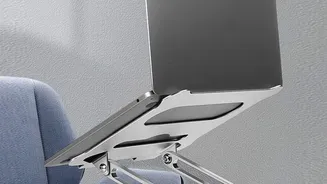
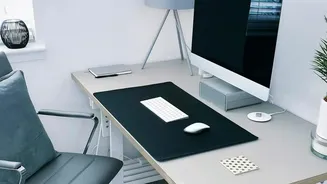
Hunching over a low laptop or monitor is a primary cause of neck and shoulder pain. The ergonomic ideal is to have the top of your screen at or just below eye level. The fix is simple and free: use a stable stack of books. Textbooks, cookbooks, or any
large, sturdy hardcovers will do. Place them under your monitor's base or your laptop until you are looking straight ahead at the screen, not down. This single adjustment prevents the constant strain that leads to stiffness and headaches. If you're using a laptop, this means you'll need a separate keyboard and mouse to maintain proper arm position, but it's a worthwhile trade for long-term comfort.
Give Your Back Some Support
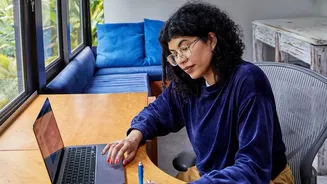
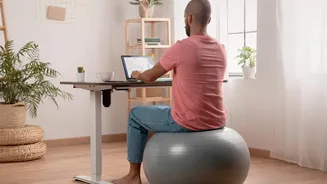
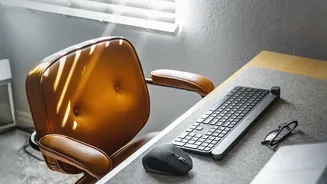
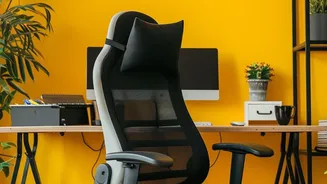
Most dining chairs or stools used for home desks lack proper lumbar support, forcing your lower back into an unnatural curve. This can lead to significant discomfort over a long workday. You don't need a fancy ergonomic chair to solve this. Simply grab a small cushion from your sofa or roll up a bath towel or sweatshirt and place it in the small of your back. This provides immediate support for your spine's natural curve, reducing pressure and preventing lower back pain. The goal is to fill the gap between your back and the chair, which helps you sit more upright naturally.
Create Order from Clutter
A cluttered desk leads to a cluttered mind. You can easily tame the chaos by repurposing containers from your kitchen and closets. Use old mugs, glass jars, or empty jam containers to hold pens, pencils, and scissors. This keeps your essential tools upright and within easy reach. Small tins or bowls are perfect for paper clips and rubber bands. If your drawers are a jumble, cut down cereal boxes or shoeboxes to create custom dividers for supplies. By giving everything a designated home, you spend less time searching and more time focusing.
Tame Your Tangled Cables
Cables for chargers, monitors, and peripherals can quickly turn the area around your desk into a tangled mess. One of the easiest solutions is to use binder clips from your stationery stash. Clip them to the edge of your desk and thread your cables through the metal loops to keep them in place and prevent them from falling. Empty toilet paper rolls can also be used to neatly bundle and store excess cords that would otherwise be lying in a heap on the floor. This not only looks tidier but also makes it much easier to plug and unplug your devices.
Improve Your Workspace Lighting
Poor lighting can cause significant eye strain and fatigue. The best light is natural light, so if possible, position your desk adjacent to a window rather than directly in front of or behind it to reduce screen glare. For darker rooms or evening work, don't rely solely on a single overhead light. Repurpose other lamps from around your home. A floor lamp can provide ambient light to soften the room, while a smaller table lamp can act as a focused task light. Position the task lamp on the opposite side of your writing hand to avoid casting shadows on your work.
Prop Up Your Feet
If your chair is too tall for your desk and your feet don't rest flat on the floor, it can create uncomfortable pressure behind your thighs and strain your lower back. An official footrest is nice, but not necessary. A sturdy box, a stack of old books, or even a ream of printer paper can serve as a makeshift footrest to ensure your knees are at a comfortable 90-degree angle. This simple ergonomic fix helps improve your overall posture and circulation throughout the day.