





Start with the Right Luggage
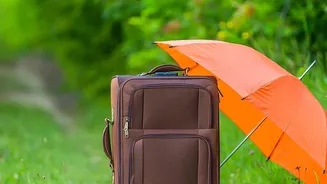
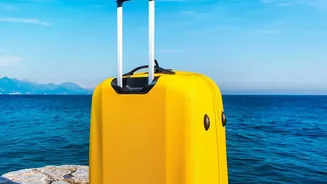
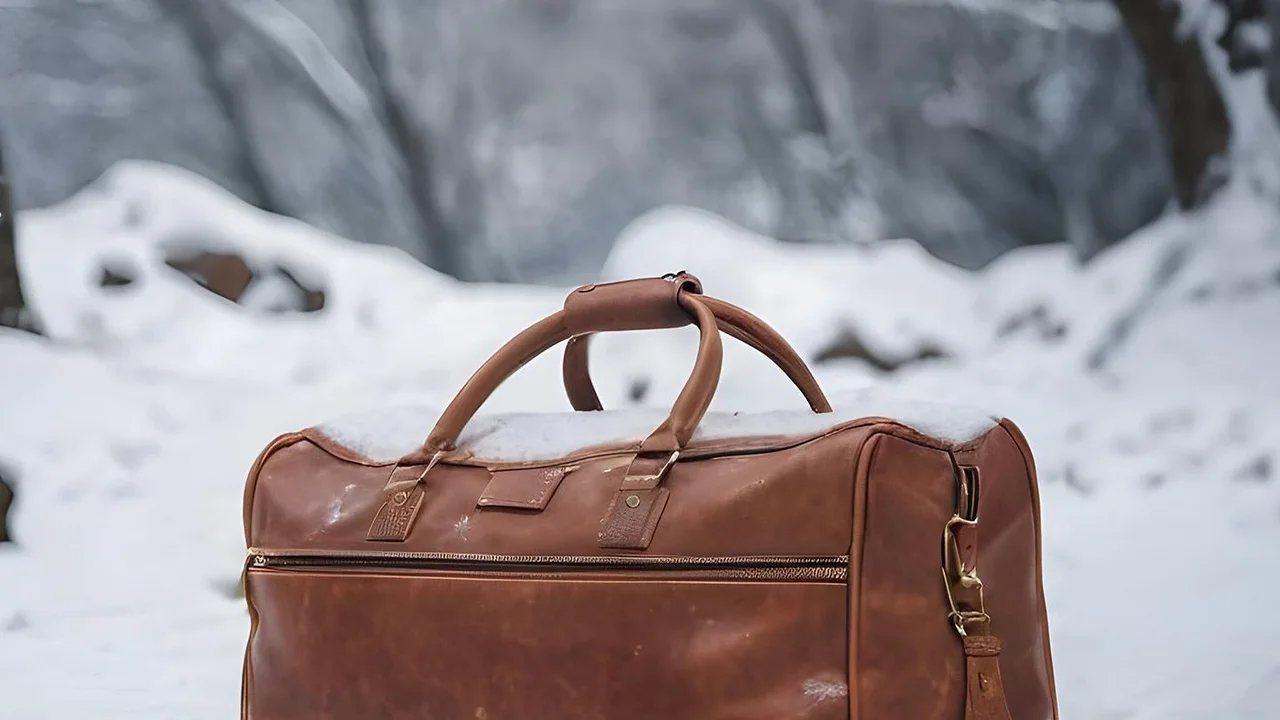
Your first line of defence is the bag itself. It's crucial to understand the difference between 'water-resistant' and 'waterproof'. Water-resistant bags, often made of coated nylon or polyester, can handle a light drizzle but will eventually let water seep
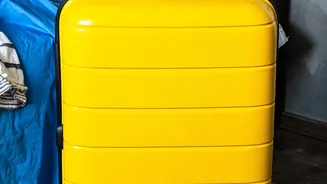
in during a heavy downpour. Truly waterproof bags, typically made from materials like PVC or TPU with sealed seams, offer complete protection even when submerged. Hard-shell luggage also provides a solid barrier against rain better than most soft-sided bags. While fully waterproof luggage can be an investment, a highly water-resistant bag is often sufficient for most travel if you add extra layers of protection inside and out.
Invest in an External Rain Cover
One of the easiest and most effective strategies is to use a dedicated luggage or backpack rain cover. These covers are lightweight, foldable, and can be quickly pulled over your bag during a sudden shower. They act as a crucial first barrier, keeping the main body of your luggage and its zippers from getting saturated. Many are made from clear PVC, which lets you identify your bag easily, or durable elastic fabrics. When buying a cover, ensure it's the right size for your bag and has a secure closure, like velcro or a zipper, to keep it snug even in windy conditions.
Master the Art of Internal Layering with Dry Bags
What happens inside your bag is just as important. Dry bags are essential for creating a multi-layered defence. These waterproof sacks, which feature a roll-top closure to create a watertight seal, are perfect for compartmentalising your belongings. Use them to separate your most vulnerable items. Dedicate one dry bag for electronics like your phone, camera, and chargers, another for important documents, and others for changes of clothes. This way, even if your main luggage gets damp, your critical items remain perfectly dry. For an extra layer of security with electronics, you can even double-bag them by placing a device in one dry bag and then putting that inside a larger one.
Embrace Simple DIY Waterproofing Hacks
You don't always need to buy expensive gear to protect your belongings. Simple household items can be surprisingly effective. A heavy-duty garbage bag can serve as an excellent waterproof liner for the inside of your backpack or suitcase. Just place it inside before you start packing. Ziploc bags are another budget-friendly lifesaver; use them for smaller items like wallets, passports, medications, and snacks. For an added trick, you can even use beeswax to seal the seams and zippers on a canvas bag, providing an extra layer of water repellency.
Combat Humidity with Silica Gel Packets
Water damage during the monsoon isn't just from rain; it's also from the pervasive humidity, which can exceed 90%. This moisture in the air can cause condensation to form inside your sealed luggage, leading to a musty smell and potential damage to electronics. To combat this, toss a few silica gel packets into your main luggage and any smaller bags containing electronics. These small desiccant pouches are excellent at absorbing ambient moisture, keeping the inside of your bags dry.
Pack Clothes and Footwear Strategically
The type of clothing you pack can also make a difference. Prioritise synthetic, quick-dry fabrics like polyester and nylon over cotton and denim, which absorb moisture and take a very long time to dry in high humidity. When packing, you can use your clothes as an extra buffer. For example, placing your rain jacket over all your packed items before zipping up your bag adds another protective layer. For footwear, opt for waterproof sandals or rubber-soled shoes with a good grip, and avoid leather and suede, which can be ruined by water.