








What is a 'Functional Drink'?
First, let's define the term. A functional beverage is a non-alcoholic drink marketed to do more than just quench thirst. It contains added ingredients like vitamins, herbs, electrolytes, or nootropics that promise a specific health benefit. The functional beverage market in India
is booming, expected to grow from around USD 6.9 billion in 2025 to over USD 18 billion by 2034. This growth is driven by a consumer shift towards health and wellness, with people seeking drinks that boost immunity, improve gut health, or enhance focus. But just because a drink is marketed as 'functional' doesn't mean its claims are scientifically sound.
First Check: The Sugar Content
Before you look at the promised benefits, look at the sugar content. Many functional and sports drinks contain as much, or even more, sugar than a regular soft drink. A single 500ml bottle can pack over 30 grams of sugar, which can be the entire recommended daily intake for an adult. This high sugar content can contribute to weight gain, type 2 diabetes, and dental problems, effectively cancelling out any potential health benefits. Some drinks use artificial sweeteners instead, which come with their own set of health questions. The smartest move is to check the nutrition label for 'added sugars' and choose options with little to none. A drink loaded with sugar is just liquid candy, no matter how many vitamins are listed on the front.
Second Check: Do You Need Electrolytes?
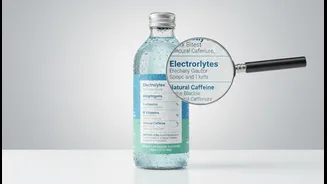
Electrolytes are minerals like sodium and potassium that are essential for nerve function, muscle contraction, and hydration. Sports drinks are famous for replenishing them. However, for the vast majority of people, they are unnecessary. Plain water is perfectly sufficient for hydration during daily activities or moderate exercise lasting less than an hour. You only start losing significant amounts of electrolytes through sweat after prolonged, high-intensity exercise—think a marathon or a gruelling two-hour gym session in the heat. In those specific cases, an electrolyte drink can help. But if you're just sitting at a desk or going for a light jog, your body gets all the electrolytes it needs from a balanced diet of fruits and vegetables. Drinking them unnecessarily can lead to excess sodium and sugar intake.
Third Check: The Evidence for 'Functional' Ingredients
This is where marketing often outpaces science. Many drinks are fortified with a cocktail of vitamins, minerals, and 'nootropics' (substances claimed to boost brain function). While some ingredients like caffeine are proven to enhance alertness, the evidence for many others is weak or inconclusive. Your body will simply excrete any excess water-soluble vitamins (like B and C) that it doesn't need. Furthermore, the dose of an active ingredient in a commercial drink may be too low to have any real effect. Nootropics like L-theanine or Bacopa Monnieri have shown some promise in studies, but often in concentrated capsule form, and their effectiveness in a mixed beverage is not well-established. Experts often advise that it’s better to get your nutrients from a varied diet rather than an expensive, fortified drink.