

As winter arrives, a familiar debate enters Indian kitchens: is it okay to eat curd? While many cherish dahi for its nutrients, an age-old belief warns it can cause colds. Let's unravel the science and the tradition behind this dietary dilemma.
The Common Winter Concern
The belief
that one should avoid curd, or dahi, during winter is deeply rooted in traditional wisdom, particularly Ayurveda. The primary concern is that curd has a 'cooling' nature (taasir) and is 'Kapha' aggravating. In simple terms, this means it is believed to increase mucus production in the body, potentially leading to or worsening conditions like coughs, colds, and sinus congestion. This is why elders in the family often advise keeping the dahi bowl away once the sweaters come out, especially during the evenings or for people prone to respiratory issues.
A Year-Round Nutritional Powerhouse
Regardless of the season, curd is a formidable source of essential nutrients. It is packed with high-quality protein, which is vital for muscle repair and overall body function. It is also one of the best dietary sources of calcium, crucial for maintaining strong bones and teeth. Beyond these, curd is rich in Vitamin B12 and other minerals. Perhaps its most celebrated component is probiotics. Curd is a fermented food teeming with live bacteria that are incredibly beneficial for gut health. A healthy gut is the cornerstone of a strong immune system.
Modern Science Weighs In
From a modern medical perspective, the idea that eating a cold food item like curd can give you a cold is a myth. Colds and coughs are caused by viral infections, not by the temperature of your food. In fact, the probiotics in curd can actually strengthen your immune system, making you better equipped to fight off such infections. The live bacteria help maintain a healthy balance in your gut microbiome, which plays a direct role in your body's defence mechanisms. Therefore, scientifically speaking, consuming curd in winter doesn't cause illness; it could even be beneficial for your immunity.
Finding a Healthy Balance
So, how do we reconcile traditional advice with modern science? The solution lies in moderation and mindful consumption. While curd itself doesn't cause a cold, if you already have a sore throat or are actively coughing, its thick consistency and cool temperature might cause some temporary irritation. The Ayurvedic advice isn't necessarily a complete ban but a guideline on 'how' and 'when' to consume it. The wisdom in avoiding it at night, when the digestive system is slower and the body is cooler, holds practical value for many.
Smart Tips for Enjoying Curd in Winter
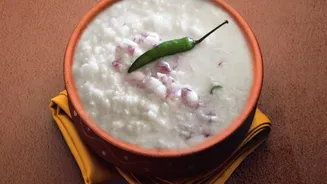
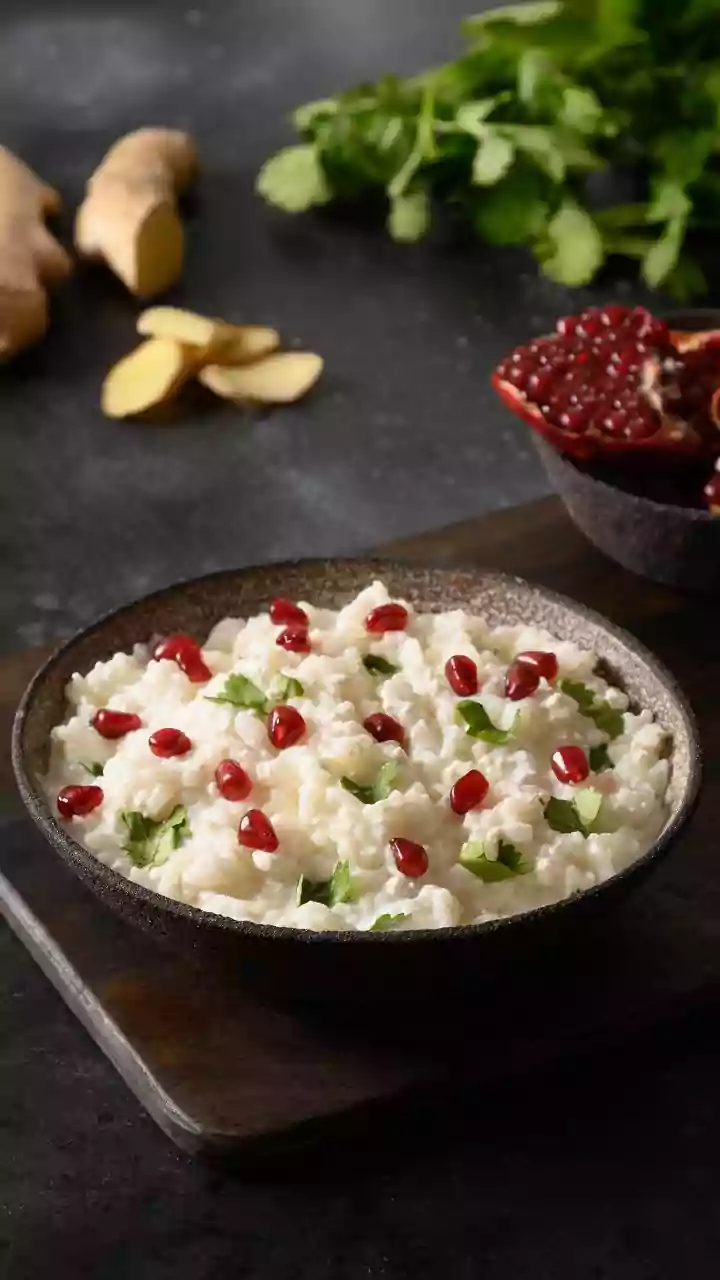
You don't have to give up your favourite dahi for half the year. By following a few simple tips, you can continue to enjoy its benefits without worry. Firstly, always consume it during the daytime, preferably in the afternoon when your digestion is at its peak. Secondly, avoid eating curd straight out of the refrigerator. Let it sit at room temperature for a while before you eat it. This reduces its 'cooling' effect. Thirdly, avoid consuming it at night. Finally, if you are particularly susceptible to colds, try adding a pinch of black pepper or roasted cumin powder to your curd, which are considered 'warming' spices in Ayurveda.