







Beyond the Usual Protein Shake
For decades, the fitness world has been dominated by a specific type of drink: the whey or soy protein isolate shake. It’s quick, it’s packed with protein, and it’s become synonymous with muscle recovery. But a growing movement in the wellness space is asking
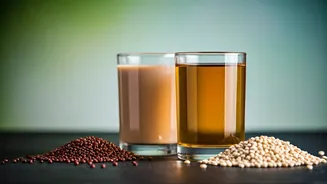
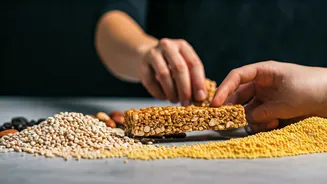
for more. Consumers are increasingly looking for “functional foods”—ingredients that offer health benefits beyond basic nutrition. They want cleaner labels, whole-food sources, and benefits that support everything from gut health to sustained energy. This shift is creating an opening for alternatives that feel less processed and more holistic. Instead of just isolating one macronutrient like protein, these new-wave functional beverages aim to deliver a symphony of benefits from a single, natural source. And that’s where ancient grains like ragi and barley are stepping into the spotlight, offering a compelling, nutrient-dense alternative to the status quo.
Meet Ragi: The Unsung Super-Grain
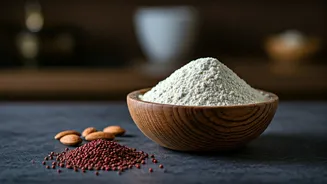
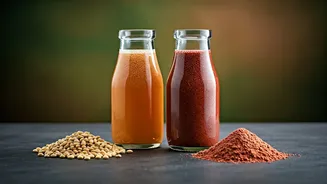
If you haven’t heard of ragi, you’re not alone—but you’ll want to get acquainted. Also known as finger millet, ragi is a tiny, reddish-brown grain that has been a staple in parts of Africa and Asia for thousands of years. In the U.S., it’s quietly gaining a reputation as a nutritional powerhouse.
What makes it so special for fitness? First, it’s naturally gluten-free and boasts a remarkable nutrient profile. Ragi is one of the best plant-based sources of calcium, crucial for bone health and muscle function. It’s also rich in iron, which helps carry oxygen to your muscles, and packed with fiber that aids digestion and promotes satiety. Its amino acid profile, including methionine, makes it a more complete protein source than many other cereals. When ground and made into a beverage, it offers these benefits in a smooth, easily digestible format.
Barley’s Big Fitness Comeback
Barley is a bit more familiar to the American palate, often showing up in hearty soups and breads. But thinking of barley as just a cozy winter ingredient is selling it short. As a functional beverage base, it’s a game-changer for athletes and fitness enthusiasts.
The star component in barley is beta-glucan, a type of soluble fiber famous for its ability to help lower cholesterol and stabilize blood sugar. For anyone active, that blood sugar stabilization is key. A barley-based drink provides slow-release carbohydrates, delivering sustained energy that can power you through a long workout or prevent that post-exercise energy crash. It avoids the spike-and-dip cycle you get from sugary sports drinks. Furthermore, its fiber content supports gut health, which is increasingly recognized as fundamental to overall wellness and athletic performance.
Why They Work for Workouts
So, when should you reach for one of these grain-based drinks? Their versatility is a major part of their appeal.
As a pre-workout, a light ragi or barley beverage can provide the steady, complex carbohydrate energy needed to fuel performance without weighing you down. Unlike caffeine-heavy pre-workouts that can leave you jittery, these offer a more grounded, enduring energy.
As a post-workout recovery drink, they help replenish glycogen stores—the energy your muscles burned through during exercise. While not as protein-dense as a dedicated whey shake, they provide a balanced mix of carbs, protein, and essential minerals like calcium and magnesium that support muscle repair and reduce soreness. Blending them with a scoop of protein powder or a source like Greek yogurt can give you the best of both worlds: whole-food nutrients and a high-protein punch.
How to Drink Your Grains
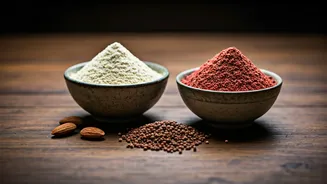
While ready-to-drink ragi and barley beverages are beginning to pop up in specialty health food stores and online, the trend is still largely driven by DIY enthusiasts. The good news is that making them at home is simple. You can find ragi flour and barley flour in most international or well-stocked grocery stores.
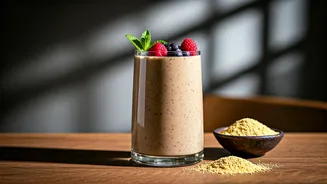
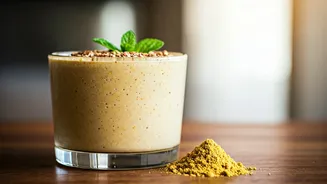
A common method involves cooking the flour with water or milk (dairy or plant-based) to create a thin, porridge-like consistency, which can be sweetened with a date, a touch of maple syrup, or flavored with cardamom or cinnamon. For a quicker version, you can simply add a spoonful of the raw flour directly into your regular fruit or vegetable smoothie to boost its nutritional content. This allows you to control the ingredients and avoid the added sugars often found in commercial drinks.