




The Logic of Off-Season Savings
The most compelling reason to embrace monsoon travel is simple economics. In the travel industry, the period from June to September is considered the 'off-season' or 'shoulder season' for many of India’s most popular destinations. Airlines, hotels, and
even tour operators see a significant dip in demand, and they respond by slashing prices to attract customers. It’s not uncommon to find luxury hotel rooms for 30-50% less than their peak season rates. Flight tickets are often cheaper, and you may find package deals that bundle accommodation, travel, and even some activities for a fraction of their winter or summer cost. This price drop makes premium experiences accessible and allows budget travellers to stretch their money further, turning a weekend getaway into a week-long vacation.
Fewer Crowds, More Authentic Experiences
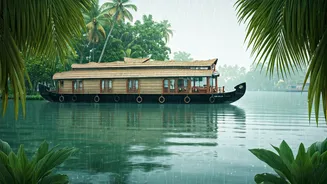
Imagine having the serene backwaters of Kerala almost to yourself, or walking through the historic forts of Rajasthan without a sea of selfie sticks blocking your view. This is the reality of monsoon travel. With fewer tourists around, you get to experience a destination in a more intimate and authentic way. The usual queues at popular monuments are shorter or non-existent, and you can engage more meaningfully with locals who are often more relaxed without the frenzy of peak tourist season. This tranquillity allows for a deeper connection with the place. You’re not just a tourist being herded from one spot to another; you’re an observer soaking in the culture, the atmosphere, and the quiet rhythm of daily life, which is often a luxury in itself.
Nature in Its Most Dramatic Glory
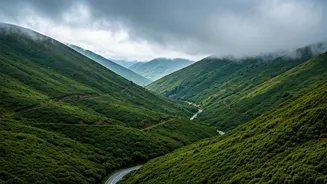
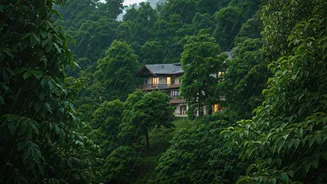
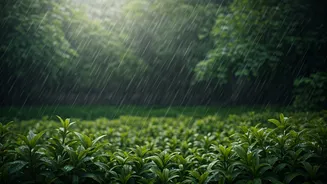
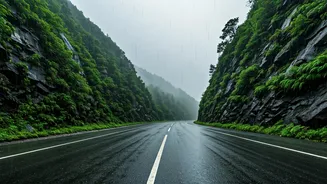
The monsoon doesn’t just bring rain; it brings life. Dry, dusty landscapes transform into carpets of vibrant green, waterfalls cascade with renewed force, and the air feels clean and fresh. Destinations like the Western Ghats, including Coorg and Munnar, become ethereal paradises. The scent of wet earth, the sound of raindrops on a tin roof, and the sight of mist rolling over hills is a sensory experience that no other season can offer. For photographers and nature lovers, this is prime time. Rajasthan, often perceived as an arid desert state, reveals a surprisingly lush side, with its lakes filling up and a green tinge softening the landscape. The beauty is dramatic, moody, and profoundly peaceful, offering a completely different perspective on places you thought you knew.
Top Destinations for Rainy Deals
So, where should you go? Goa is a classic choice. While the beach shacks are mostly closed, the state’s verdant interiors, spice plantations, and Portuguese-influenced architecture are stunning in the rain. Plus, luxury resorts offer unbeatable prices. Kerala is another top contender, as the monsoon is the traditional time for Ayurvedic treatments, which are believed to be more effective in the moist, cool climate. The hill stations of Maharashtra, like Lonavala and Malshej Ghat, come alive with gushing waterfalls and misty valleys. Even a city break in a place like Udaipur can be magical, as the rain washes the palaces clean and the lakes shimmer under overcast skies. Always check the specific conditions, as some high-altitude mountain regions in the north become inaccessible, but much of peninsular India becomes a traveller's playground.
How to Plan a Smart Monsoon Trip
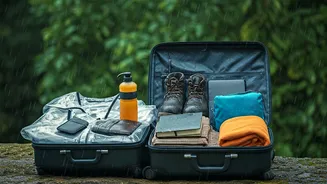
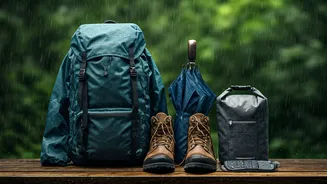
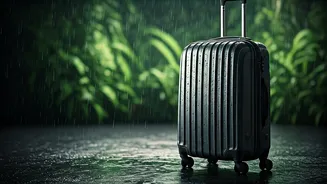
Travelling in the rain requires a bit of extra planning, but it's simple. First, pack smart: include a reliable waterproof jacket, quick-drying clothes, and sturdy footwear with good grip. A waterproof bag or cover for your electronics is a must. Second, be flexible with your itinerary. Heavy rains can sometimes cause delays or road closures, especially in hilly areas. It’s wise to have a backup plan or simply embrace a lazy day indoors with a good book and a cup of chai. Third, check for local advisories before you travel. Stay informed about weather forecasts and potential risks like landslides in mountainous regions. Finally, book refundable or flexible travel and accommodation where possible, just in case a last-minute change is needed. A little preparation ensures your rainy adventure is safe and enjoyable.