





Your Gut's Internal Engine: What Is Motility?
Think of your digestive system as a long, muscular tube. 'Gastrointestinal motility' is the scientific term for the wave-like muscle contractions that push food through this tube. This process, called peristalsis, is your body's internal engine for digestion.
The speed and efficiency of these contractions determine how quickly food is broken down, nutrients are absorbed, and waste is eliminated. When motility is well-regulated, your digestive system runs smoothly. But when it's too fast or too slow, you might experience issues like bloating, constipation, or indigestion. Several factors influence this rhythm, including stress, exercise, and the type of food you eat. One often-overlooked factor is the temperature of your meals.
The Advantage of Warmth
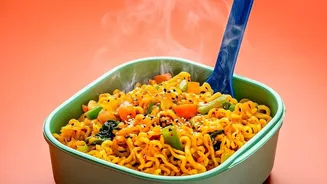
Traditional wellness systems like Ayurveda and Traditional Chinese Medicine have long advocated for consuming warm, cooked foods. Modern science offers some explanations for this age-old wisdom. Your digestive enzymes, the tiny proteins that break down food, function optimally at your body's core temperature of around 37°C (98.6°F). When you eat warm food, your body doesn't need to expend extra energy to heat it up, allowing these enzymes to get to work more efficiently. Warmth can also help relax the muscles of the digestive tract and may increase blood flow to the area, further supporting the digestive process. This is why a bowl of warm soup or a cup of herbal tea can feel so soothing and settling to the stomach.
The Chilling Effect of Cold Foods
Consuming very cold foods and drinks can have a temporary slowing effect on digestion. Icy beverages or refrigerated meals can cause blood vessels in the stomach to constrict, momentarily reducing blood flow and slowing down muscle contractions. This requires your body to work harder to warm the food before it can be properly digested, which may slow down enzyme activity. Additionally, some studies suggest that both very cold and very hot liquids can slow the rate at which the stomach empties compared to body-temperature liquids. For individuals with sensitive digestive systems, this slowdown can sometimes trigger discomfort, cramping, or bloating. This doesn't mean you need to avoid cold foods entirely, but it highlights the importance of listening to your body's signals.
The Indirect Link to Microbiome Vitality
The gut microbiome is the vast community of bacteria and other microbes living in your digestive tract. Its health is crucial for everything from immunity to mood. While there's no direct evidence showing food temperature itself kills or grows specific gut bacteria, the connection is more indirect. The 'vitality' of your microbiome depends on a healthy gut environment. Efficient digestion and balanced motility play a huge role in creating this environment. When motility is optimal, food matter moves through the system at the right pace, feeding beneficial bacteria without lingering long enough to ferment excessively and cause issues. By supporting smoother digestion, consuming primarily warm, easily digestible foods can help maintain the stable environment your microbiome needs to thrive. Furthermore, the cooking process itself—a form of thermal processing—can alter food structures like starches, making them more or less available to your gut microbes and influencing their composition.
Finding Your Temperature Balance
The goal isn't to eliminate cold foods but to practice mindful eating. Pay attention to how your body responds. If you have a sensitive stomach, you might find that starting your day with warm water and lemon or opting for a cooked breakfast instead of a cold smoothie makes a difference. You don't have to give up salads; just consider balancing them with a warm component, like grilled chicken or roasted vegetables. Ayurvedic principles suggest that for most people, especially those with weaker digestion, foods and drinks are best taken at room temperature or warm. It's about moderation and awareness. For some, especially during hot weather or after intense exercise, a cold drink or meal can be perfectly fine and even beneficial. The key is to find a balance that leaves you feeling energized and comfortable.