







Nature’s First Line of Defence
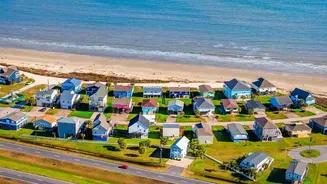
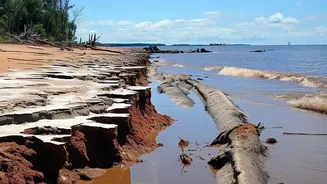
For coastal communities in states like Tamil Nadu, Andhra Pradesh, and Odisha, the threat of erosion and storm surges is a daily reality. Cyclones can leave agricultural fields saline and make livelihoods uncertain. In response, a powerful nature-based
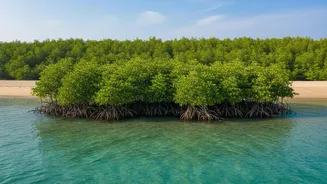
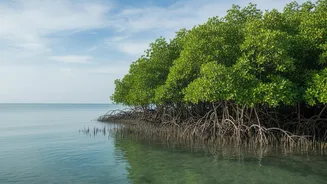
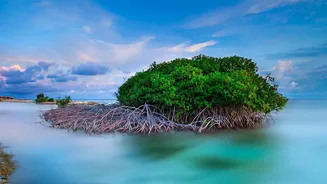
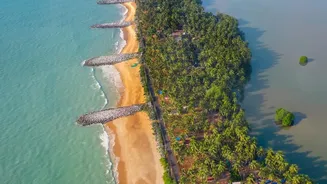
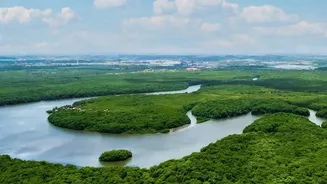
solution is gaining ground: the creation of mangrove bio-shields. These are not just random tree-planting drives; they are strategic efforts to restore dense forests of salt-tolerant mangroves that act as a natural barrier. Their intricate, tangled root systems are incredibly effective at dissipating wave energy, reducing the force of storm surges, trapping sediment to prevent erosion, and protecting the land and villages behind them. In the face of increasingly extreme weather, these green walls are proving to be one of the most effective and sustainable forms of coastal protection.
A Community-Led Movement
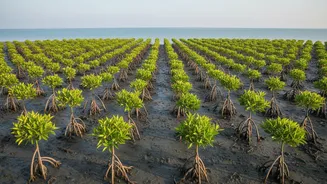
What makes these initiatives so powerful is that they are driven by the people who stand to benefit the most. Across the eastern seaboard, from Pichavaram in Tamil Nadu to the coasts of Andhra Pradesh and Odisha, local villagers are at the forefront of this green movement. Under national frameworks like the Mangrove Initiative for Shoreline Habitats and Tangible Incomes (MISHTI) and state-led efforts like the 'Great Green Wall of Andhra Pradesh', communities are deeply involved. Villagers, many of whom are from fishing families, participate in every stage, from collecting seeds and raising saplings in tidal nurseries to the arduous work of planting them in muddy flats. In many areas, Village Mangrove Councils have been formed, empowering residents to manage the restoration and protection of their local ecosystems, often blending traditional knowledge with scientific techniques.
More Than Just a Barrier
The benefits of mangrove restoration extend far beyond coastal defence. These revitalised forests are transforming local economies and ecosystems. Mangroves serve as crucial nursery grounds for many species of fish, crabs, and shrimp, which leads to better catches and more stable incomes for fishing communities. This symbiotic relationship—where villagers protect the mangroves that, in turn, support their livelihoods—is key to the long-term success of these projects. Furthermore, these initiatives create thousands of workdays in rural areas, particularly for women, who are often central to managing nurseries and planting efforts. Mangroves are also carbon sequestration powerhouses, absorbing significant amounts of carbon dioxide from the atmosphere, making them a vital tool in the fight against climate change.
The Path to a Greener Coastline
The results are already visible. In Andhra Pradesh, the state secured second place nationally for its performance in mangrove restoration under the MISHTI scheme, having restored thousands of hectares in recent years. In Tamil Nadu, ambitious projects aim to significantly expand the state's mangrove cover, a goal made more urgent by recent floods. In Odisha, community-led projects in villages like Bichitrapur are turning once-barren mudflats into thriving forests. Innovative methods, like the 'fish-bone' technique of digging narrow channels to restore natural tidal flow, are increasing sapling survival rates and accelerating regeneration. These projects, supported by government bodies, NGOs, and sometimes corporate partners, demonstrate a scalable model for climate resilience. Recent announcements show a continued commitment, with plans to restore thousands more hectares across the eastern coast.