





Know Your 'Waterproof' Lingo
Before you buy any protective gear, it is important to understand what terms like “water-resistant” and “waterproof” actually mean. The difference is crucial. Water-resistant bags can handle a light splash or drizzle, but not submersion. Truly waterproof gear is designed
to be fully submerged in water without leaking. To know for sure, look for an Ingress Protection (IP) rating. An IP rating has two numbers; the second digit indicates liquid protection. For example, a rating of IP67 means the item is completely dust-tight and can be submerged in up to one meter of water for 30 minutes. A lower rating like IP65 means it can resist jets of water, but not submersion. For a road trip, where a bag might fall into a puddle or get caught in a serious storm, aiming for a higher IP rating provides greater peace of mind.
Invest in a Dedicated Dry Bag
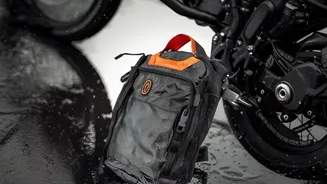
The single best investment for protecting electronics from water is a quality dry bag. These are specifically designed to be waterproof, often featuring a roll-top closure that creates an airtight seal. Brands like OverBoard and LowePro offer options specifically for camera gear and laptops, ensuring a snug and secure fit. For photographers, some models include padded internal camera cubes for organisation and shock absorption. A key advantage is that many of these bags float if they're dropped in water, making them ideal for trips that might involve kayaking, beach visits, or fishing. When choosing, consider not just the waterproofing but also the comfort and features, like padded straps and external attachment points.
Consider a Hard Case for Ultimate Protection
When your gear is especially valuable or fragile, a hard case is the top-tier solution. Companies like Pelican are famous for crushproof, dustproof, and waterproof cases that provide maximum security. These cases offer superior impact protection, which can be just as important as waterproofing on a bumpy road trip. While bulkier than a backpack, a hard case is perfect for storing your main camera body, lenses, and laptop in the boot of your car. You can then use a smaller, more accessible water-resistant bag for daily excursions. This two-part system ensures your most expensive items are protected against both impact and the elements while remaining secure.
Embrace the Power of Silica Gel
Water damage isn't just about direct contact; condensation can be a silent enemy. This often happens when moving gear from a cold, air-conditioned car or hotel room into warm, humid outdoor air. To combat this, always pack a few silica gel packets in your camera and laptop bags. These small, inexpensive packets are excellent at absorbing excess moisture from the air, keeping the environment inside your bag dry. You can buy them online or simply save them from packaging that comes with new shoes or electronics. If you find your camera lens fogging up, placing it in a sealed bag with a silica packet can help it acclimatise and clear up faster.
Adopt Smart On-the-Go Habits
The best gear in the world won't help if it's not used correctly. Smart habits are your final layer of defence. First, never leave your electronics in a hot car. Extreme heat can damage sensitive components. If you must leave a bag in the car for a short time, put it in the boot or under a seat to keep it out of direct sunlight and away from prying eyes. When on public transport or stopping for lunch, always keep your electronics bag with you. Finally, when packing the car, place your electronics bag in a secure spot where it won’t get crushed by heavier luggage or have something spilled on it. A little situational awareness goes a long way.