






First, A Quick Refresher On GDP
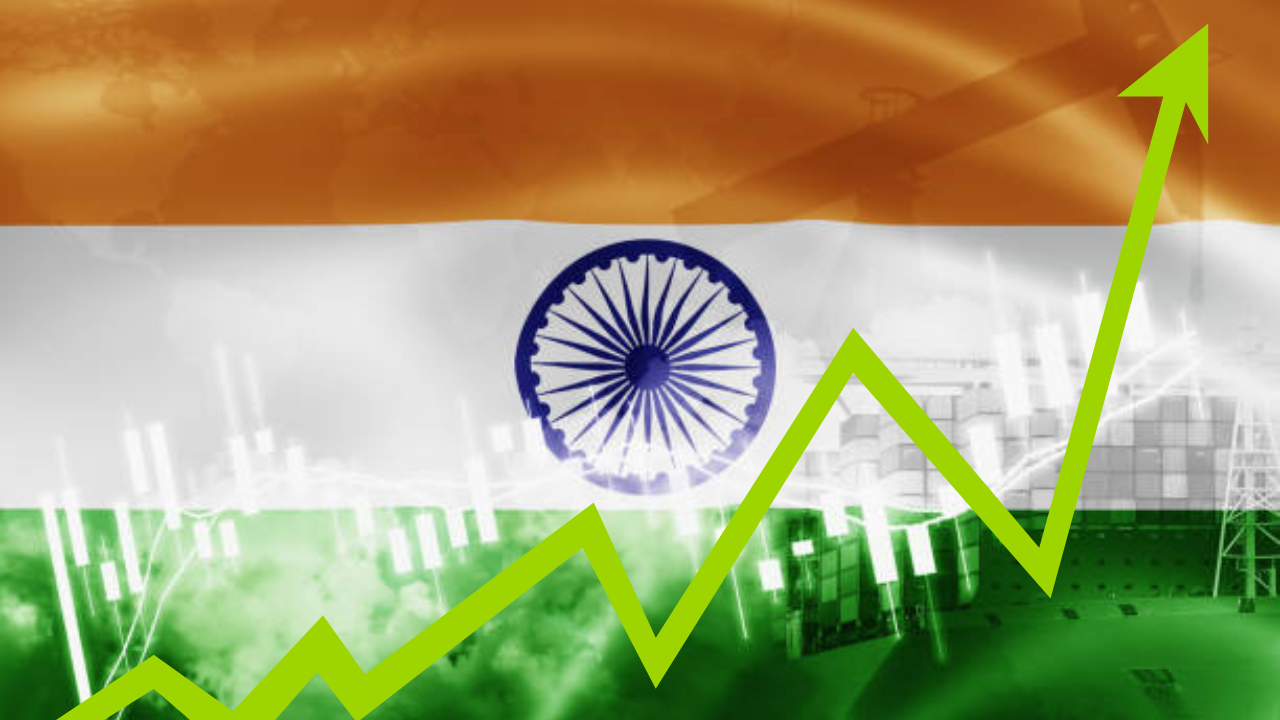
Think of Gross Domestic Product (GDP) as the total value of all goods and services produced in the country over a specific period. It’s the most common scorecard for a country's economic health. A rising GDP suggests the economic 'pie' is getting bigger.
The 7.8% figure for the April to June 2026 quarter means the pie grew by that much compared to the same period last year, even after accounting for inflation. This is generally seen as positive news, indicating a resilient economy despite global challenges.
What's Fuelling This Growth?
This recent growth spurt isn't accidental. A significant push is coming from government spending on infrastructure, like roads and ports, which grew robustly in the first quarter of FY27. The services sector, especially areas like finance, real estate, and IT, has been a major engine, growing at a brisk 12.1%. Manufacturing also showed strong performance with 9.2% growth. On the spending side, private consumption—what you and I spend on goods and services—grew by 7.1%. This mix shows that both government investment and household spending are contributing to the momentum.
The Link to Jobs and Salaries
Here's the connection middle-class households watch most closely. When the economy grows, companies tend to earn more profits. This can lead to business expansion, which in turn creates new jobs. A healthy economic environment gives employees more leverage to ask for better salaries and gives companies the confidence to grant them. However, this isn't always a direct one-to-one relationship. Critics point out that much of the current growth is in capital-intensive sectors like technology and finance, which create high-value but relatively fewer jobs than labour-intensive sectors. So, while the overall outlook is positive, the impact on job creation may not be felt evenly across all industries.
Your Monthly Budget and Cost of Living
Strong economic growth can be a double-edged sword for your wallet. On one hand, a thriving economy can support income growth. On the other, high demand can push up prices, a phenomenon we know as inflation. While recent data shows headline inflation has moderated, it remains a key risk, with wholesale prices for items like fuel and food articles seeing increases. Many households may feel that while their income is rising, the cost of essentials like food, rent, and EMIs is rising just as fast, or even faster. The feeling of prosperity depends on whether your income is outpacing your expenses.
Easier Loans and Better Investments?
A strong GDP number often boosts confidence in the financial markets. This can be good news for your investments in stocks and mutual funds, as company profits are expected to be strong. Furthermore, a stable economic environment gives the Reserve Bank of India (RBI) more flexibility in managing interest rates. Supportive credit conditions have been noted, with bank credit growth accelerating. While the RBI remains watchful of inflation, a healthy growth outlook can lead to a more favourable environment for home, car, and personal loans, though recent trends show households are also taking on more debt.
A Reality Check: The 'K-Shaped' Recovery
It’s crucial to acknowledge that the benefits of this 7.8% growth may not be distributed equally. Economists often talk about a 'K-shaped' recovery, where different segments of the economy recover at different rates. For instance, the high-flying services sector primarily benefits urban, skilled professionals. Meanwhile, agriculture, which supports a vast portion of the workforce, grew at a much slower 3.6%. Spending by affluent households on big-ticket items can lift the overall consumption numbers, masking the financial pressures faced by lower and middle-income families. This means that while some may be thriving, others might not yet feel the effects of the headline growth number in their daily lives.