






Why Your Train Route Might Change
Indian Railways is undergoing its most significant transformation in decades. This modernisation drive is the primary reason for frequent and sometimes unexpected changes to train schedules. The network is simultaneously expanding and upgrading, leading
to temporary disruptions that are part of a larger plan for long-term improvement. Key projects include the Amrit Bharat Station Scheme, which aims to redevelop over 1,300 stations into modern 'city centres'. This involves major construction, which often requires rerouting trains or temporarily skipping the station altogether. Another major factor is non-interlocking (NI) work. This technical process, where signal systems are upgraded, is essential for safety and efficiency but requires the temporary suspension of normal operations, leading to diversions, cancellations, or short-terminations of trains. Additionally, the laying of new lines, doubling of tracks to increase capacity, and electrification projects all necessitate schedule adjustments. Even seasonal factors, like heavy monsoon rains, can force last-minute diversions for safety reasons.
The Most Common Disruptions
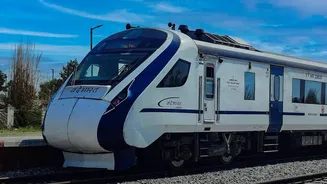
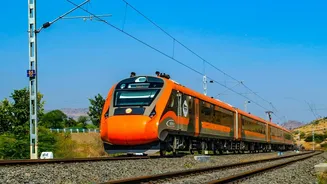
The operational shifts can manifest in several ways for passengers. Route diversions are common, where a train takes a completely different path to its destination, skipping several scheduled stops. For example, non-interlocking work at a major junction like Jaunpur or landslides on the Lonavala-Karjat section have recently caused dozens of trains, including premium services like the Vande Bharat Express, to be rerouted. Another frequent change is the short-termination or short-origination of a service. This means a train might end its journey at a station before its final destination, or start from a station later on its route. Passengers booked to or from the cancelled portion of the journey need to make alternative arrangements. Finally, there are changes to timings and the addition or removal of temporary stops. The all-India timetable, known as 'Trains at a Glance' (TAG), was updated for 2026, speeding up hundreds of services and introducing over a hundred new ones, which affects schedules across the board. The Railway Board also frequently approves new experimental stoppages for certain express trains to gauge demand, adding another layer of variability.
Your Pre-Travel Verification Checklist
Given the dynamic nature of the network, relying on a ticket booked months in advance is no longer enough. A few simple checks can save significant hassle. First, always check the live status of your train on the National Train Enquiry System (NTES) website or mobile app in the days leading up to your journey and on the day of travel. This is the most reliable source for real-time information on diversions, cancellations, and delays. Second, pay close attention to the SMS and email alerts from IRCTC or the Railways. These notifications are the primary way Indian Railways communicates changes directly to passengers. Third, for major planned works like non-interlocking blocks, zonal railways issue press releases that are reported by news outlets. A quick search for your train number or route a week before travel can provide valuable information. Fourth, the universal railway helpline number, 139, is another crucial resource for getting live updates and clarifications. Lastly, when you receive your final chart preparation message, double-check the platform number. A last-minute platform change can sometimes be an indicator of other operational shifts.
The Amrit Bharat Effect
The Amrit Bharat Station Scheme is a prime example of progress causing temporary pain. The scheme is designed to create world-class stations with improved accessibility, better facilities, and designs that reflect local culture. More than 1,300 stations have been identified for this overhaul. However, redeveloping a station while it remains operational is a massive logistical challenge. It involves demolishing old structures, building new platforms, constructing foot overbridges, and integrating the station with local transport like metros. During these phases, certain platforms may be closed, forcing some trains to skip the station entirely or be temporarily shifted to a suburban or satellite station. This long-term vision of turning stations into integrated urban hubs means that travellers will need to remain vigilant about their stops for the foreseeable future, as construction rolls out across the country in phases.