





Why a Strong Dollar Hits Your Wallet
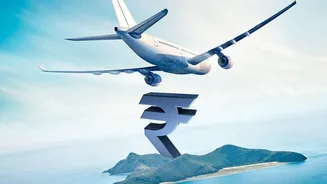
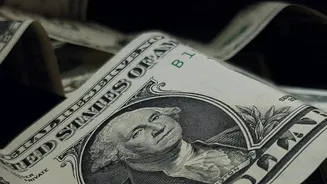
The US dollar is the world's primary reserve currency, meaning many global transactions, including airfares and international hotel bookings, are often priced or benchmarked in USD. When the dollar gets stronger, it takes more rupees to buy one dollar.
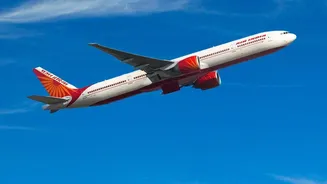
As of late 2026, the rupee has weakened, trading at around 95 to the dollar. This has a ripple effect. Even if you're not travelling to the United States, your costs can rise. For example, countries in the Middle East like the UAE have currencies pegged to the dollar, so a trip to Dubai automatically becomes more expensive. Similarly, many international airlines price their tickets based on the dollar, leading to higher fares across the board for Indian travellers.
Destinations That Become More Expensive
The most obvious places where your budget will shrink are the United States, Canada, and nations whose currencies are pegged to the USD. A holiday to New York or a road trip across California will cost significantly more as every dollar you spend on food, lodging, and activities requires more of your hard-earned rupees. The same applies to many Caribbean islands and countries in the Middle East. Furthermore, a strong dollar often has a knock-on effect on other major currencies like the Euro and the British Pound. This means that popular destinations in Europe, such as France, Italy, and the UK, also become pricier for Indian tourists, as the rupee's value decreases against these currencies as well.
Where Your Rupee Still Shines
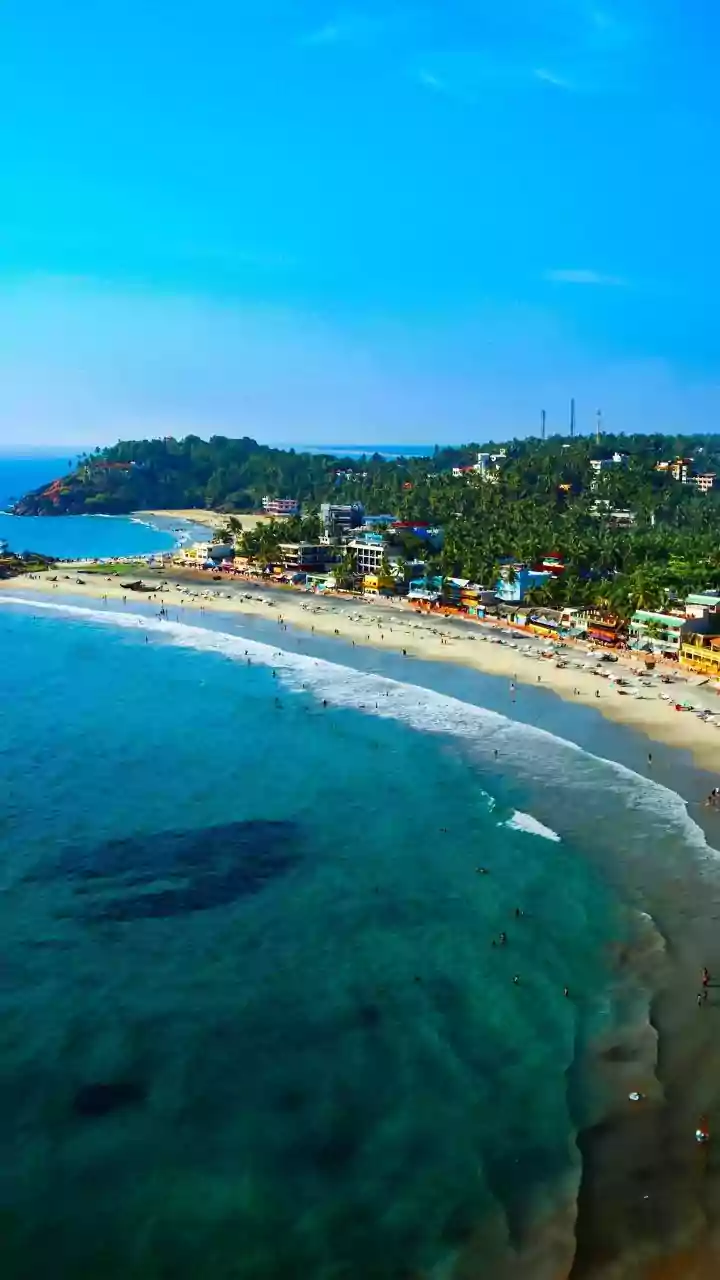
The good news is that not all currencies move in lockstep with the dollar. Your travel dreams are far from over; you just need to be strategic. Many countries in Southeast Asia remain incredibly budget-friendly for Indian travellers. Destinations like Vietnam, Indonesia, Cambodia, and Laos offer fantastic value, where the Indian rupee has a strong exchange rate against the local currency. In Vietnam, for instance, one rupee can get you over 300 Vietnamese Dong, making daily expenses on food and transport very low. Similarly, countries like Nepal and Sri Lanka are not only close to home but also offer experiences where your rupee goes a long way. Even destinations like Japan and South Korea can sometimes offer good value depending on currency fluctuations against the rupee.
Smart Tips to Stretch Your Budget
A weaker rupee doesn't mean you can't travel abroad; it just means you need to plan smarter. One of the best strategies is to book flights and hotels as far in advance as possible to lock in prices before the rupee potentially weakens further. Whenever you have the option, choose to pay in Indian Rupees on booking websites. Using a multi-currency forex card is another excellent tip, as it allows you to load currency at a locked-in rate, protecting you from further fluctuations. It also helps to avoid exchanging large amounts of cash at airports, where exchange rates are notoriously poor. Instead, use ATMs abroad for better rates, but be mindful of withdrawal fees. Finally, consider all-inclusive packages or travelling in the off-season, which can offer significant savings regardless of the exchange rate.