






Humidity’s Havoc on Your Scalp
When the air is thick with moisture, your scalp often bears the brunt. High humidity prevents sweat and natural oils (sebum) from evaporating efficiently. This creates a warm, damp environment on your scalp, which is the perfect breeding ground for the Malassezia
yeast, a microbe linked to dandruff. The combination of sweat, excess oil, and product residue can clog hair follicles, leading to irritation, itchiness, and increased flakiness. This buildup not only makes hair look flat and greasy but can also weaken roots over time, contributing to breakage.
The Ayurvedic Approach: Balance Over Stripping
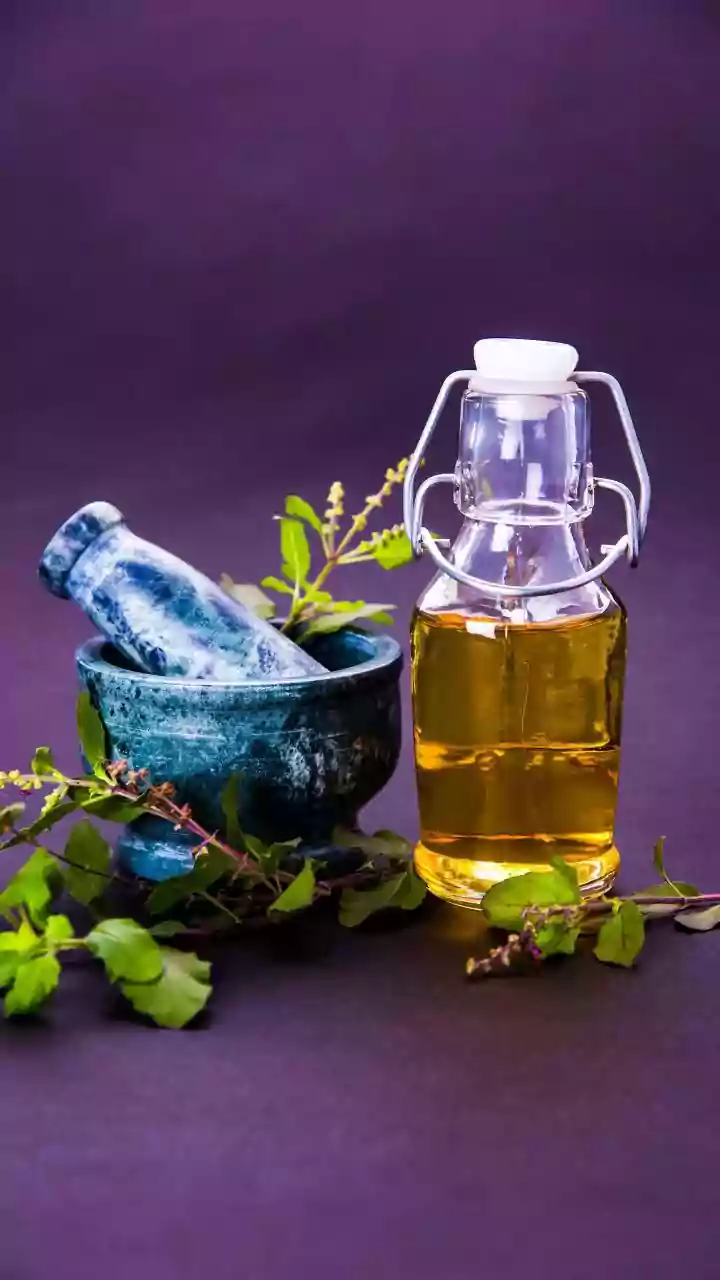
Instead of stripping the scalp with harsh chemicals, Ayurveda focuses on restoring balance. The goal is to pacify irritation and control excess oil without drying out the skin. Ayurvedic hair oiling, or 'champi', is a traditional practice of massaging the scalp with herb-infused oils to nourish hair follicles, improve circulation, and maintain a healthy scalp microbiome. During humid weather, the key is to use oils with specific properties that are cooling, antimicrobial, and anti-inflammatory to counteract the effects of the moisture-laden air.
Nature's Heroes for a Humid Climate
The power of an Ayurvedic hair oil comes from its ingredients. For humid conditions, certain herbs are particularly effective: Neem: Known as a 'powerhouse ingredient', neem possesses potent antifungal and antibacterial properties. It helps control the overgrowth of dandruff-causing yeast and soothes scalp inflammation and itchiness. Amla (Indian Gooseberry): Rich in Vitamin C and antioxidants, amla helps strengthen hair follicles, reduces premature greying, and can help balance the scalp's pH level. A healthy pH balance is crucial for keeping issues like dandruff and excess oil at bay. Bhringraj (False Daisy): Often called the 'king of herbs' for hair, Bhringraj is celebrated for promoting hair growth and reducing hair fall. Its anti-inflammatory properties also help calm an irritated scalp, which is a common complaint in humid weather.
Why DIY Is a Superior Choice
Many commercial hair oils contain mineral oil and silicones. While silicones provide an instant feeling of smoothness, they can build up on the scalp, trapping oil and dirt. Mineral oil, a petroleum derivative, merely coats the hair without providing any true nourishment. By making your own Ayurvedic oil, you control the quality and purity of what you apply. A DIY blend uses cold-pressed carrier oils like coconut or sesame, which penetrate the hair shaft and deliver the full benefits of the infused herbs without synthetic fragrances or preservatives that can cause irritation. This ensures you're giving your scalp genuine, long-term nourishment, not just a cosmetic quick fix.
Your Simple DIY Humidity-Control Hair Oil
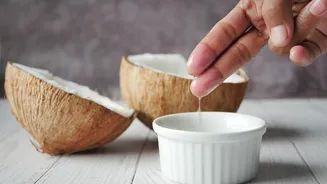
Creating your own Ayurvedic hair oil is simpler than you might think. This recipe uses a traditional heat-infusion method to extract the benefits from the herbs. Ingredients: - 1 cup of cold-pressed coconut oil - A handful of fresh or dried neem leaves - 1 tablespoon of amla powder - 1 teaspoon of fenugreek (methi) seeds Method: 1. Gently warm the coconut oil in a small pan on low heat. Do not let it smoke. 2. Add the fenugreek seeds, followed by the neem leaves. Let them sizzle softly. 3. Stir in the amla powder and let the mixture simmer on the lowest possible flame for about 10-15 minutes, allowing the herbs to infuse into the oil. 4. Turn off the heat and let the oil cool down completely. 5. Once cool, strain the oil through a fine-mesh sieve or muslin cloth into a clean, dry glass bottle for storage. To use, gently massage the oil into your scalp for 5-10 minutes, working it through the lengths of your hair. Leave it on for at least an hour before washing it out with a mild shampoo.