



A Shift in Health Consciousness
The primary driver behind this snack swap is a significant rise in health and wellness awareness. Indian consumers, particularly in urban areas, are no longer just looking for convenience; they are seeking nutritional value. Spurred by greater access
to information and a growing consciousness around lifestyle diseases, many are actively trying to improve their dietary habits. This has put everyday biscuits, often made with refined flour (maida), high sugar content, and palm oil, under scrutiny. While the biscuit market is still enormous, and even innovating with its own healthier lines, the growth in the healthy snacks segment is outpacing it. Reports project the healthy snack market in India to grow at a compound annual growth rate (CAGR) of nearly 10%, fuelled by this desire for better-for-you options.
The Ingredient Inquisition
Today's consumer is a label reader. Vague promises of 'multigrain' or 'digestive' are no longer enough. Shoppers are actively checking for ingredients they want to avoid, and maida, refined sugar, and certain oils top the list. According to one survey, 55% of respondents preferred snacks with natural, preservative-free ingredients. This transparency trend has given a massive boost to a new wave of snack brands that build their identity around 'clean labels'. These companies often highlight what is not in their products—no maida, no palm oil, no artificial additives—as a key selling point, resonating with a public that is increasingly wary of highly processed foods.
The Rise of New-Age Snack Brands
This consumer-led demand has paved the way for hundreds of innovative startups. Brands like Yoga Bar, The Whole Truth, Snackible, and Eat Better Co. are challenging legacy food giants by offering products that align with modern wellness values. Their offerings include baked, not fried, snacks; items made from alternative grains like millet, jowar, and ragi; and traditional foods like makhana (fox nuts) and chikki repackaged as convenient, healthy bites. Many of these brands have leveraged digital platforms and quick commerce to bypass traditional retail barriers, reaching consumers directly and building a loyal following among millennials and Gen Z.
Redefining the Meaning of 'Healthy'
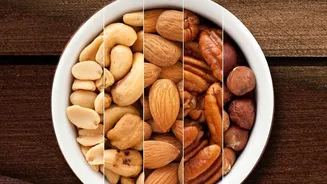
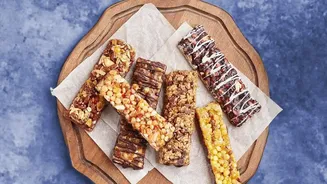
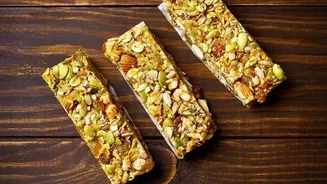
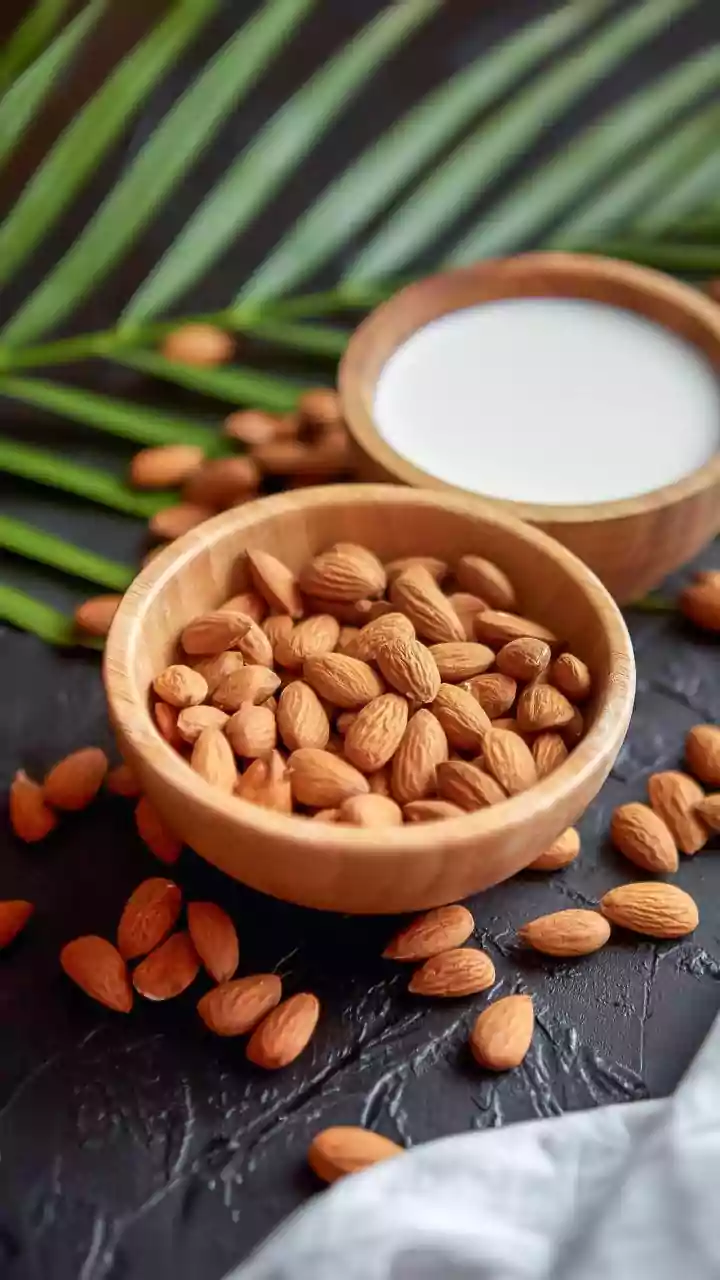
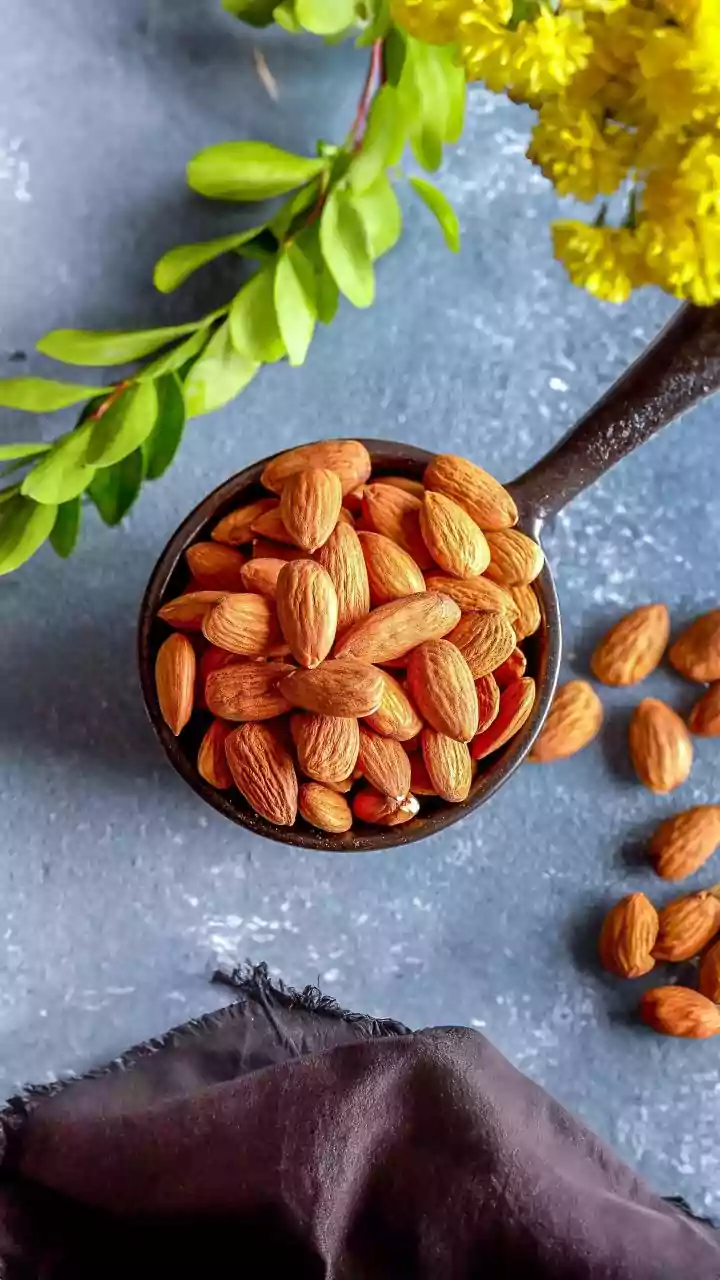
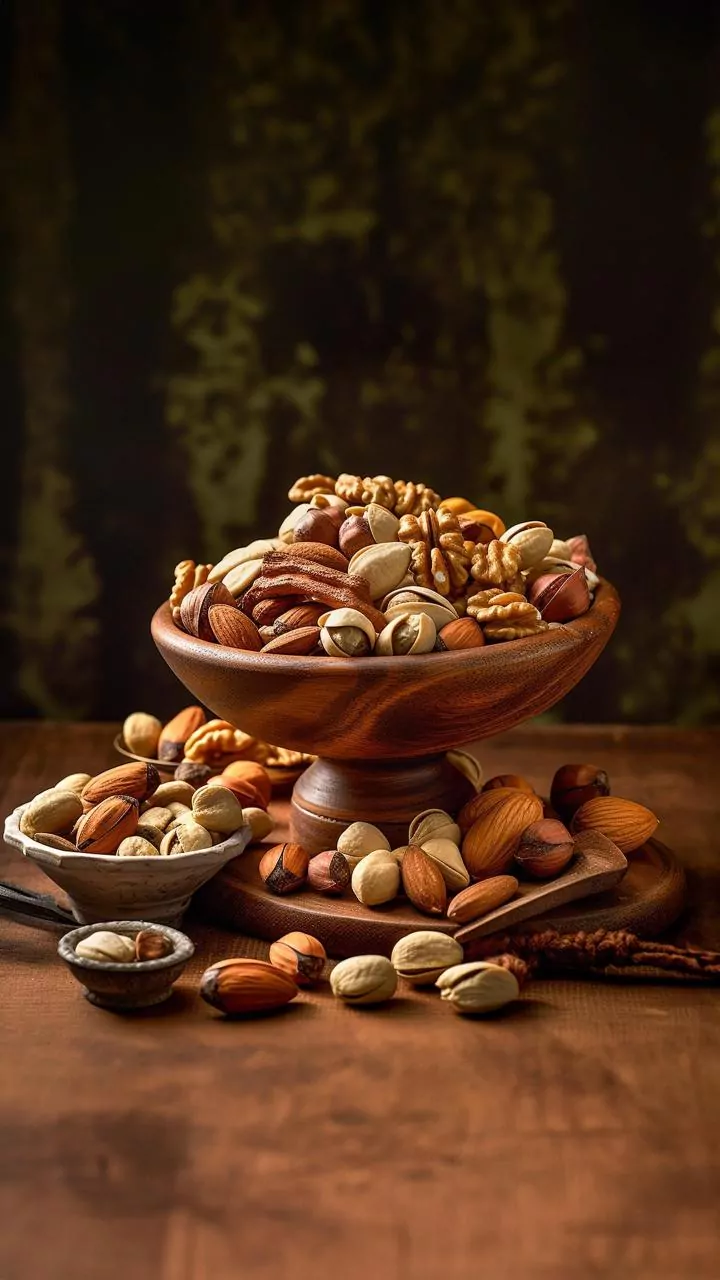
The definition of a 'healthy' snack has also evolved. It's no longer just about being low-calorie. For many Indian consumers, 'healthy' now means 'natural', 'wholesome', or 'nutrient-dense'. They are seeking functional benefits from their snacks, such as added protein for energy, fibre for digestive health, or immunity-boosting ingredients. This has led to a surge in popularity for products like nuts and seeds, protein bars, and snacks fortified with vitamins and minerals. This holistic view of health means a simple biscuit, even one marketed as 'light', often fails to meet the increasingly complex demands of the modern, purpose-driven consumer.
How Legacy Brands Are Responding
The major players in the biscuit industry are not standing still. Giants like Britannia, Parle, and ITC have taken note of the shifting landscape and are actively innovating. They are launching their own lines of healthier biscuits, such as those with reduced sugar, more fibre, or made from whole grains like atta. Some are also acquiring smaller health food brands to quickly gain a foothold in this burgeoning market. While traditional biscuits are unlikely to disappear, their dominance is being challenged. The response from these established companies shows that the move towards healthier snacking is a fundamental market shift, not a passing trend.