








The Body's Processing Plant
When you take any medication, your body treats it as a foreign substance that needs to be processed, used, and eventually eliminated. This entire process is known as metabolism. For most drugs, including many common painkillers, the primary site for this
metabolic activity is the liver. Think of the liver as a highly sophisticated processing plant, equipped with specialized molecular machinery to break down chemical compounds. The goal is to convert drugs into water-soluble substances that the kidneys can easily filter out and excrete in urine.
Meet the Master Enzymes: CYP450
The real workhorses inside this liver processing plant are a family of enzymes known as Cytochrome P450, or CYP450. This large class of enzymes is responsible for metabolizing the vast majority of clinically used drugs—by some estimates, up to 90 percent. Six specific CYP450 enzymes, particularly CYP3A4 and CYP2D6, handle the breakdown of most medications. They act as biological catalysts, transforming drug molecules. For some medications, this process deactivates them for removal. For others, like the painkiller codeine, metabolism is actually necessary to convert the drug into its more active form, morphine, to provide pain relief.
Your Genetic Blueprint Dictates Everything
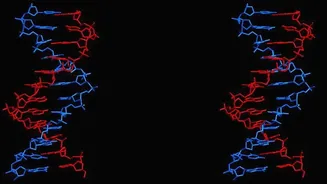
Here is where individual differences become critical. The instructions for building these essential CYP450 enzymes are written in our DNA. Because every person has slight genetic variations, or polymorphisms, the efficiency and quantity of these enzymes can vary dramatically from person to person. This field of study, known as pharmacogenomics, explains how our unique genetic makeup predicts our response to drugs. It's not a minor difference; it's estimated that more than 90% of the population has at least one genetic variation that could change how they respond to medication.
Poor vs. Ultra-Rapid Metabolizers
Based on their genetic makeup, people can be broadly categorized by how they process certain drugs. These are known as metabolizer phenotypes.'Poor Metabolizers' have genetic variants that result in enzymes with little to no function. When they take a standard dose of a drug, their body breaks it down very slowly. This can lead to the medication building up to potentially toxic levels, increasing the risk of side effects. For a drug like codeine that needs to be activated, being a poor metabolizer means they won't convert enough of it to morphine, resulting in little or no pain relief.'Ultra-Rapid Metabolizers' are the opposite. They have gene variations that lead to highly active or multiple copies of an enzyme. They process medication so quickly that it's cleared from their system before it has a chance to provide a therapeutic effect. A standard dose may be completely ineffective for them. In the case of codeine, they can convert it to morphine so rapidly that they may experience toxic effects from what would be a normal dose for someone else.Between these two extremes are 'Intermediate' and 'Normal' (or 'Extensive') metabolizers, who process drugs at reduced or expected rates, respectively.
More Than Just Genes
While genetics are the primary driver of metabolic efficiency, other factors can also influence how you respond to pain medication. Age, liver health, and other medications you're taking can all play a role. Some drugs can act as 'inhibitors', slowing down CYP450 enzyme activity, while others can be 'inducers', speeding it up. This is why it is so important for your doctor to have a complete picture of your health and any other substances you are taking before prescribing medication.