



Your Gut: A Bustling Inner World
Imagine your gut not just as a digestive tube, but as a bustling city populated by trillions of microorganisms—bacteria, viruses, and fungi. This is the gut microbiome. For decades, it was one of the most overlooked parts of our bodies, but scientists
now recognise it as a crucial 'organ' influencing everything from digestion and immunity to mental health. These microbes break down food components our bodies can't handle on their own, like certain fibres, and in return, they produce a vast array of compounds that affect our health. A healthy, diverse microbiome is associated with better health outcomes, while an imbalance, known as dysbiosis, is linked to conditions like inflammatory bowel disease (IBD), obesity, and even heart disease.
New Details in the Diet-Gut Puzzle
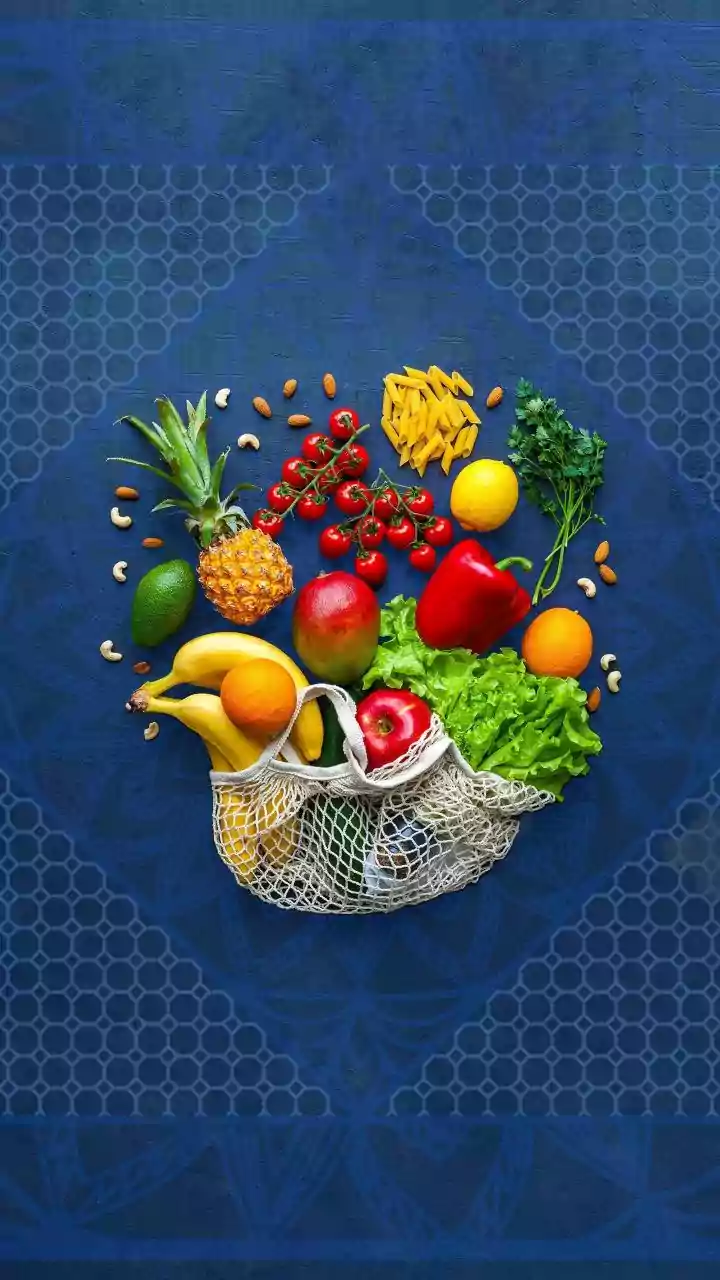
The core idea is simple: what you eat, you feed to your microbes. A recent wave of research, including large-scale studies published in prestigious journals like Nature Medicine, has moved beyond this general concept to map specific connections. For instance, studies have shown that diet can predict the presence of a vast majority of microbial species in the gut. Specific foods are now being linked to particular microbes; for example, coffee consumption is associated with a boost in Lawsonibacter, while yoghurt can increase Streptococcus thermophilus. These findings are incredibly detailed, showing that long-term dietary patterns create stable relationships between the foods we eat and the microbes that thrive inside us. This is a significant step forward from just knowing that fibre is 'good'. We are now beginning to understand which fibres feed which microbes to produce beneficial compounds like short-chain fatty acids (SCFAs), which reduce inflammation.
The Challenge of Perfect Prediction
So, if we know that coffee boosts a certain microbe, why can't we just create a perfect, predictive diet plan? The reality is far more complex. The headline's caveat—"not fully predictive"—is crucial. Firstly, the response to any food is highly personal. The same piece of bread can cause a different blood sugar spike in two people, partly because of their unique microbiomes. Secondly, the gut is an ecosystem. Microbes don't exist in isolation; they compete and cooperate in intricate networks. A change designed to boost one 'good' microbe might have unintended consequences for hundreds of others. Finally, diet is only one piece of the puzzle. Genetics, stress, sleep, and medications all influence your gut health, making it difficult to isolate the effect of food alone. As one study notes, if a dietary change successfully alters your microbiome, that new microbiome might then respond differently to the very same foods, making long-term prediction a moving target.
What This Means for Health in India
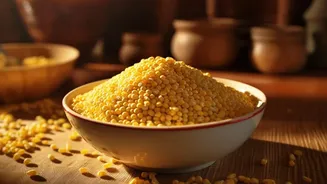
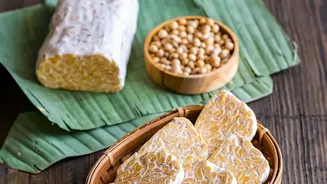
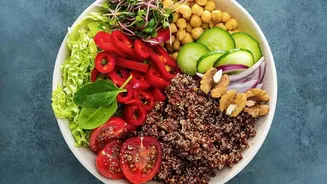
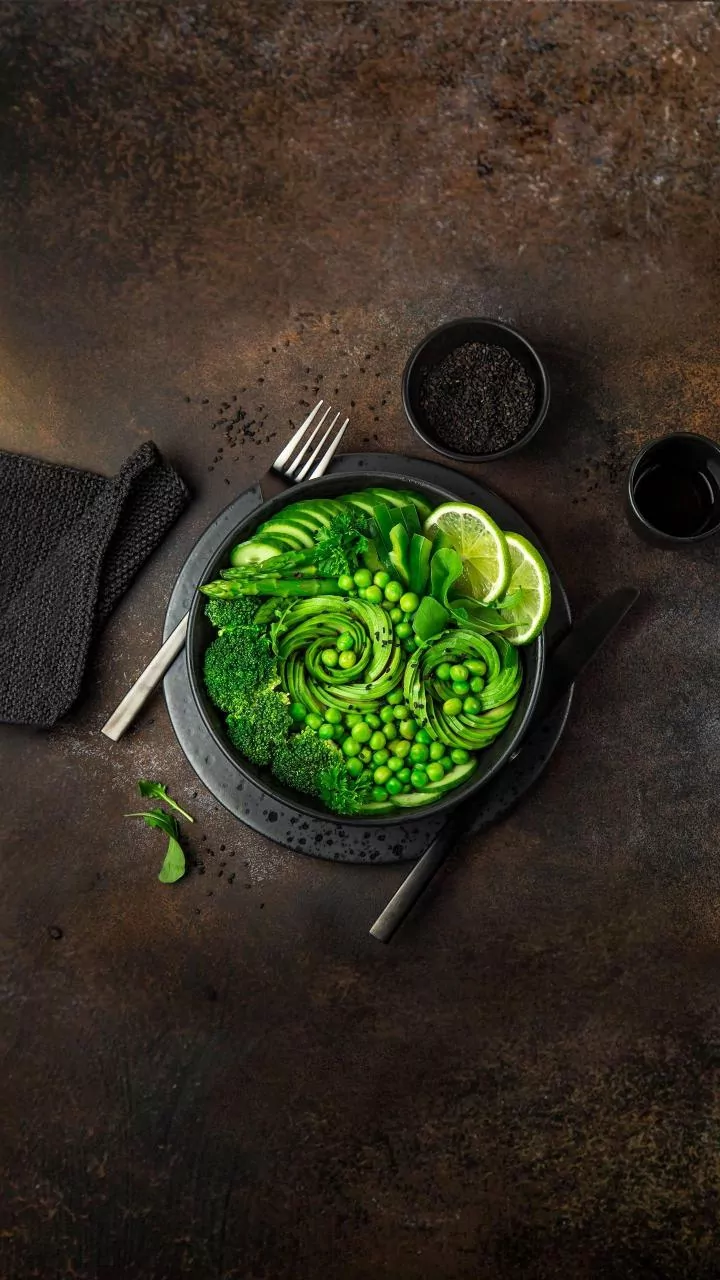
For a country with the rich dietary diversity of India, this research holds special relevance. The science is beginning to validate traditional wisdom. Many Indian diets are naturally rich in fibre from lentils, whole grains, and vegetables, and include fermented foods like dahi (yoghurt) and idli, which are excellent for gut health. Rather than waiting for a futuristic, personalised plan, the current science reinforces the value of these dietary patterns. The key takeaway is not to focus on a single 'superfood' or microbe, but on overall dietary quality. Reducing intake of ultra-processed foods, which are known to harm microbial diversity, and increasing the variety of plant-based foods in your diet remains the most evidence-backed strategy. Think of it as tending to a garden; diversity, quality soil (fibre), and care are what lead to a flourishing ecosystem, not just planting one type of flower.