







Beyond the Usual Spice Route
For years, culinary travel in India meant navigating the bustling food streets of Delhi or Mumbai, or perhaps a formal tour of Rajasthan's royal kitchens. While these experiences remain iconic, a quieter, more profound movement is gaining momentum. Travellers
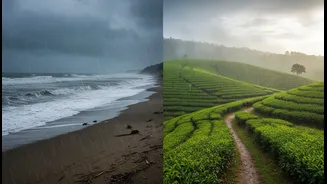
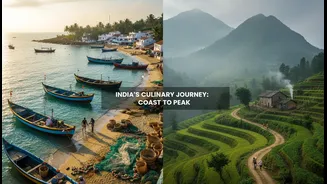
are increasingly seeking experiences that connect them directly to the land and its produce. This isn't just about tasting a dish; it's about understanding its ecosystem. The new hotspots for this immersive travel are not cities, but the vibrant fishing villages dotting India's extensive coastline and the tranquil, produce-rich farms nestled in its hills.
The Pull of the Coast
Imagine starting your day at a bustling fish auction in a Malvan village, selecting your catch, and then learning to cook it from a local family using their treasured masala blend. This is the new face of coastal tourism. Regions along the Konkan, Malabar, and Coromandel coasts are becoming destinations for travellers who want to experience seafood in its freshest form. In Kerala, you can find yourself on a backwater tour that includes learning to cook Karimeen Pollichathu, where fish is steamed in a banana leaf with subtle spices. In Goa, beyond the shacks, ventures are emerging that focus on hyper-local ingredients and traditional recipes, offering a taste of the region that goes deeper than the popular tourist fare. It's a sensory journey defined by the salt in the air and the freshness of the sea.
Harvest in the Hills
As the coastline offers the bounty of the sea, the hills offer the treasures of the earth. Agritourism is flourishing in states like Uttarakhand, Himachal Pradesh, and Karnataka, where farm stays have become sophisticated retreats. Here, the ultimate luxury is picking vegetables for your own dinner, learning about organic farming and permaculture, or taking a workshop on beekeeping. In places like Coorg and Thekkady, resorts are built around spice plantations, integrating the entire farm-to-fork process into the guest experience. The hills of Uttarakhand offer opportunities to learn about the cultivation of local grains and sustainable practices, often combined with wellness activities like yoga and trekking. This brand of travel is slow, educational, and deeply restorative.
Why the Shift Now?
Several factors are fueling this trend. The global push towards sustainability and conscious consumption has found a strong footing in travel. Post-pandemic, there's a greater desire for open spaces, authenticity, and meaningful connections, which these rural experiences provide in abundance. Social media also plays a significant role, with influencers and travellers showcasing these unique, off-beat destinations, inspiring others to seek them out. Furthermore, a new generation of chefs and entrepreneurs are championing local produce and cuisines, setting up innovative farm-to-table restaurants and curated culinary retreats that are destinations in themselves. A growing number of Indian travellers, particularly millennials and Gen Z, now actively plan their trips around unique food experiences.
A Taste of Authenticity and Impact
This evolution in travel is more than just a trend; it's a vital economic and cultural force. By bringing discerning travellers to rural areas, culinary tourism provides a sustainable source of income for farmers and fishing communities, reducing their dependence on volatile commodity markets. It creates local employment and encourages the preservation of traditional farming techniques, heirloom seeds, and regional recipes that might otherwise be lost. When travellers choose a farm stay or a coastal cooking class, they are not just buying a holiday; they are investing in the conservation of India's rich agricultural and culinary heritage.