





The New Definition of Pantry Essentials
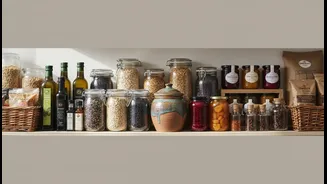
Not long ago, pantry staples were about sustenance at a good price. Today, for a growing number of urban Indian buyers, the definition has expanded. We're talking about stone-ground flours, wood-pressed oils, single-origin coffee, organic spices, and artisanal
condiments. These aren't just ingredients; they are curated choices. This shift from commodity to premium is driven by a complex mix of rising incomes, greater global exposure, and a fundamental change in how people relate to their food. The Indian gourmet food market is a testament to this, with projections showing significant growth as consumers increasingly seek high-quality and globally inspired products.
A Deepening Focus on Health and Wellness
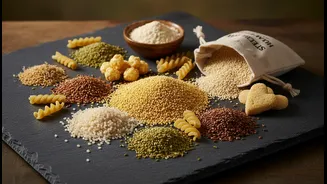
Perhaps the most significant driver is a collective turn towards health and wellness. Urban lifestyles, often sedentary, have increased awareness around diet-related diseases. This has spurred a move away from processed items towards 'clean label' products that are natural and free from artificial ingredients. Consumers are willing to pay more for oils that are cold-pressed to retain nutrients or for grains that are unpolished and closer to their natural state. This isn't just a trend; it's a proactive approach to health, with a majority of urban shoppers prioritizing nutritional benefits over taste. The demand for organic, gluten-free, and fortified foods has moved from a niche market into the mainstream.
The Power of a Good Story
The rise of Direct-to-Consumer (D2C) brands has been a game-changer. These digital-native companies bypass traditional retail, connecting directly with customers and telling compelling stories about their products. They offer transparency about sourcing, production methods, and the brand’s philosophy, which resonates deeply with modern buyers who want to know where their food comes from. By owning the entire customer journey, these brands can build stronger relationships and a sense of authenticity that legacy companies often struggle to match. This has not gone unnoticed, with large FMCG companies now acquiring successful D2C brands to tap into this market.
Global Palates and the Social Media Effect
Exposure to global cuisines, whether through travel or media, has created a demand for specific, high-quality ingredients to replicate international dishes at home. Simultaneously, social media platforms like Instagram have turned food into a visual medium. A well-stocked, aesthetically pleasing pantry has become a new form of social currency. Influencers and food bloggers play a significant role in shaping food choices, introducing followers to new products and brands. This digital ecosystem not only drives trends but also provides a platform for D2C brands to reach a wide audience with minimal marketing spend compared to traditional methods.
A Return to Tradition and Convenience
Interestingly, the move towards premium is also a move back towards tradition. Many 'new' premium products are based on age-old Indian practices, like using a wooden 'ghani' for pressing oil or stone-grinding flour. This appeal to heritage and Ayurvedic wisdom strikes a chord with buyers looking for authenticity. At the same time, these premium staples offer a form of modern convenience. For busy urban professionals, using high-quality ingredients is a shortcut to creating a gourmet-tasting meal at home, blending the desire for a healthy, home-cooked meal with a fast-paced lifestyle.