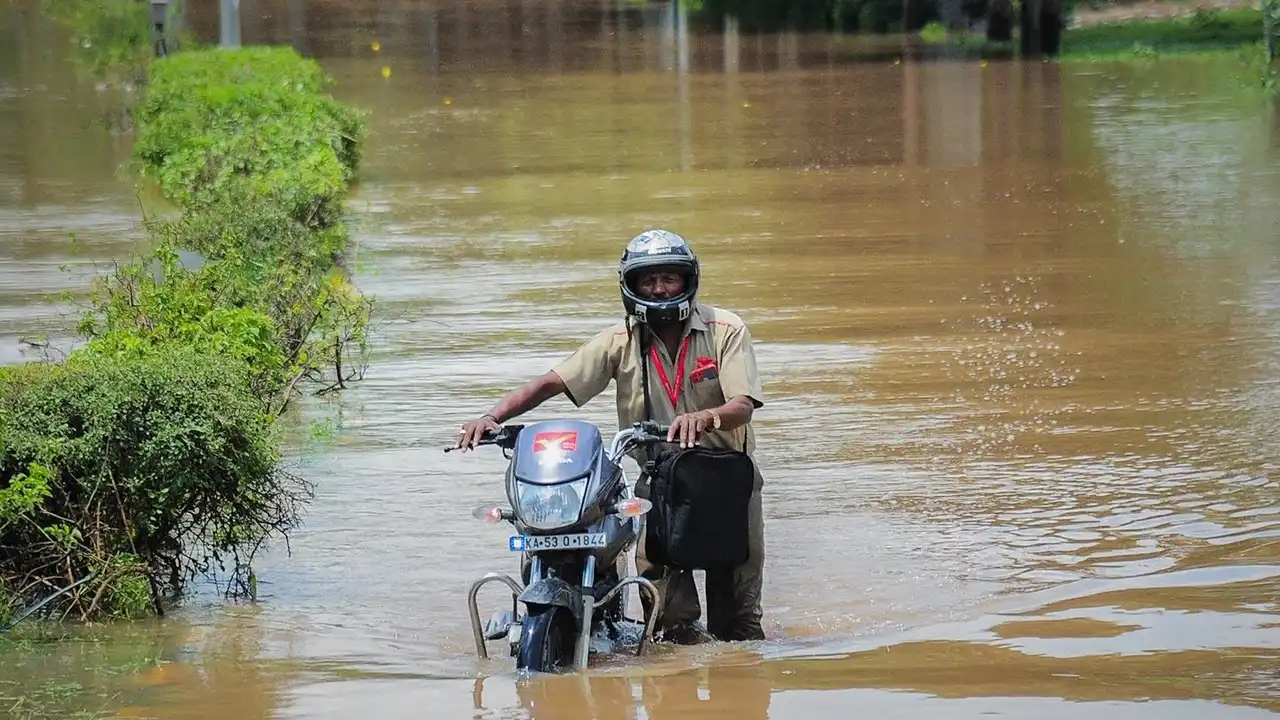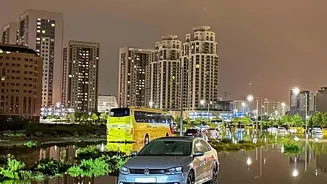



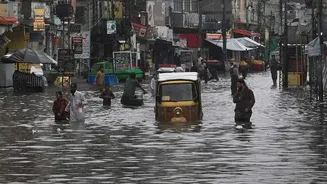

As monsoon rains paralyse Indian megacities year after year, the solution might not be more concrete drains. It may lie in the swampy, overlooked patches of land on the city's edge—wetlands that act as nature’s own flood-control system.
The City’s Living Sponge
Imagine a giant
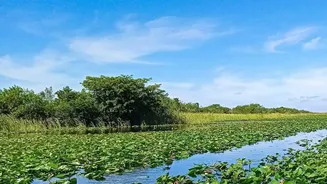
sponge laid out across the landscape. When heavy rain falls, this sponge soaks up the excess water, holds it, and releases it slowly. This is exactly how wetlands function. These ecosystems—marshes, lakes, and floodplains—act as natural buffers against flooding. Their soil and dense vegetation trap rainwater, slowing its flow into overburdened urban drainage systems. This process not only reduces waterlogging on streets but also allows water to percolate deep into the ground, recharging precious groundwater aquifers that many cities depend on. Unlike expensive, man-made infrastructure, this service is provided for free by a healthy ecosystem.
Kolkata’s Ecological Lifeline
Perhaps the most celebrated example of this natural engineering is the East Kolkata Wetlands (EKW). This 12,500-hectare marvel, a Ramsar site of international importance, is more than just a wetland; it's an integral part of Kolkata's urban metabolism. Every day, it naturally treats nearly 900 million litres of the city's sewage. The nutrient-rich water then supports fisheries and agriculture, providing livelihoods for thousands. Crucially, the EKW acts as a massive retention basin, absorbing storm water and protecting the city from devastating floods, a service that would otherwise require massive investment in artificial treatment plants and flood barriers.
The High Price of Neglect in Chennai
The story of Chennai's Pallikaranai marsh serves as a cautionary tale. Once a sprawling freshwater swamp, it has shrunk drastically due to rapid urbanisation. This marsh is a critical flood-mitigation zone for the city's southern suburbs. Its degradation has been directly linked to the increased severity of flooding events. By building over its natural floodplain, the city has effectively paved over its own sponge. The marsh, which should absorb and hold rainwater, is now fragmented and polluted, its capacity to protect the city severely compromised. What remains of Pallikaranai is a vital biodiversity hotspot, but its diminished state underscores the dangerous consequences of treating these ecosystems as wastelands.
More Than Just Flood Control
The benefits of urban wetlands extend far beyond managing floods. They are often called 'nature's kidneys' for their ability to filter pollutants from water. They are also incredible carbon sinks, with coastal wetlands sequestering carbon up to 55 times faster than tropical rainforests, making them powerful allies in fighting climate change. Furthermore, these areas are biodiversity hotspots, providing critical habitats for birds, fish, and other wildlife within urban landscapes. For city dwellers, they offer invaluable green spaces for recreation, reduce the urban 'heat island' effect, and improve overall well being.
A Vanishing Line of Defence
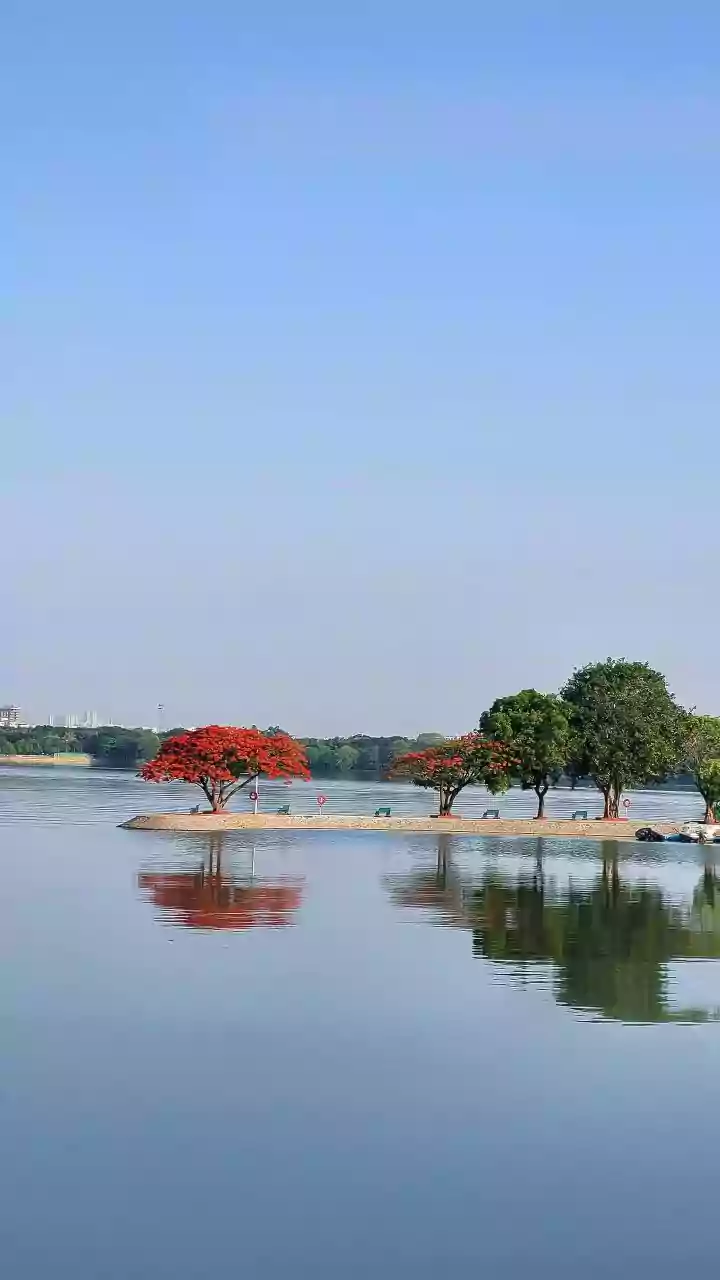
Despite their immense value, urban wetlands across India are disappearing at an alarming rate. They are threatened by illegal construction, the dumping of solid waste and untreated sewage, and widespread public and political ignorance of their importance. In Bengaluru, for instance, rapid urban growth has led to a massive loss of lakes and wetlands, many now reduced to toxic, frothing bodies of water. This destruction is not just an ecological loss; it's a direct threat to urban resilience, leaving cities more vulnerable to both floods and water scarcity.
A Path Towards Urban Resilience
Protecting these ecosystems is not a matter of charity but of smart urban planning. Legal frameworks like the Wetlands (Conservation and Management) Rules, 2017, provide a foundation for action by decentralising management to state level authorities. However effective enforcement remains a challenge. The path forward requires integrating wetlands into city master plans not as disposable land but as essential 'blue green infrastructure equivalent to roads and utilities.' Public awareness campaigns and active citizen participation are crucial to shift the perception of wetlands from wastelands to vital urban assets that are essential for creating sustainable liveable and resilient Indian cities of the future.