





Gaganyaan: India's Defining Leap
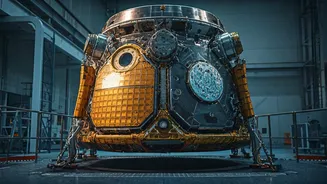
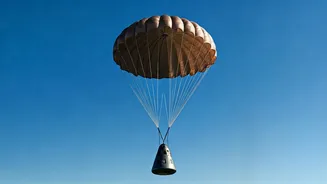
The cornerstone of this new era is the Gaganyaan mission. The primary objective is to demonstrate India's capability for human spaceflight by launching a crew of three astronauts into a 400-kilometre orbit for a three-day mission and bringing them back
safely to Earth with a sea landing. This complex undertaking, led by the Indian Space Research Organisation (ISRO), will make India only the fourth nation in the world—after Russia, the United States, and China—to have an independent human spaceflight capability. The programme involves developing numerous critical technologies, from a human-rated launch vehicle to advanced life support systems and crew escape protocols.
Milestones and Meticulous Testing
Before astronauts, or 'Vyomanauts', can take flight, ISRO is executing a series of uncrewed test missions to validate every system. Recent statements from ISRO officials in mid-2026 indicate that while timelines are continuously reviewed to ensure absolute safety, preparations are progressing substantially. Thousands of ground tests have been completed to ensure the integrity of the human-rated LVM3 rocket. This heavy-lift vehicle, a reliable workhorse for ISRO, has been specially reconfigured to meet the stringent safety, reliability, and redundancy standards required for carrying a human crew. These precursor flights, including one featuring a humanoid robot named Vyommitra to simulate astronaut conditions, are crucial for proving the safety and reliability of the entire mission architecture before the crewed launch.
The Vyomanauts: Training for the Frontier
At the heart of the mission are the four chosen astronauts, all accomplished test pilots from the Indian Air Force. Their intensive training regimen is a multi-year, multi-location effort. It began with general spaceflight training at Russia's Gagarin Cosmonaut Training Centre, building on a long-standing space partnership between the two nations. Back in India, they are undergoing mission-specific training at a dedicated facility in Bengaluru, which includes everything from academic courses and simulator training to survival drills and micro-gravity familiarization through parabolic flights. This rigorous preparation ensures they are ready for every conceivable scenario, from launch and orbital operations to emergency procedures and recovery.
Beyond Orbit: A Station in Space
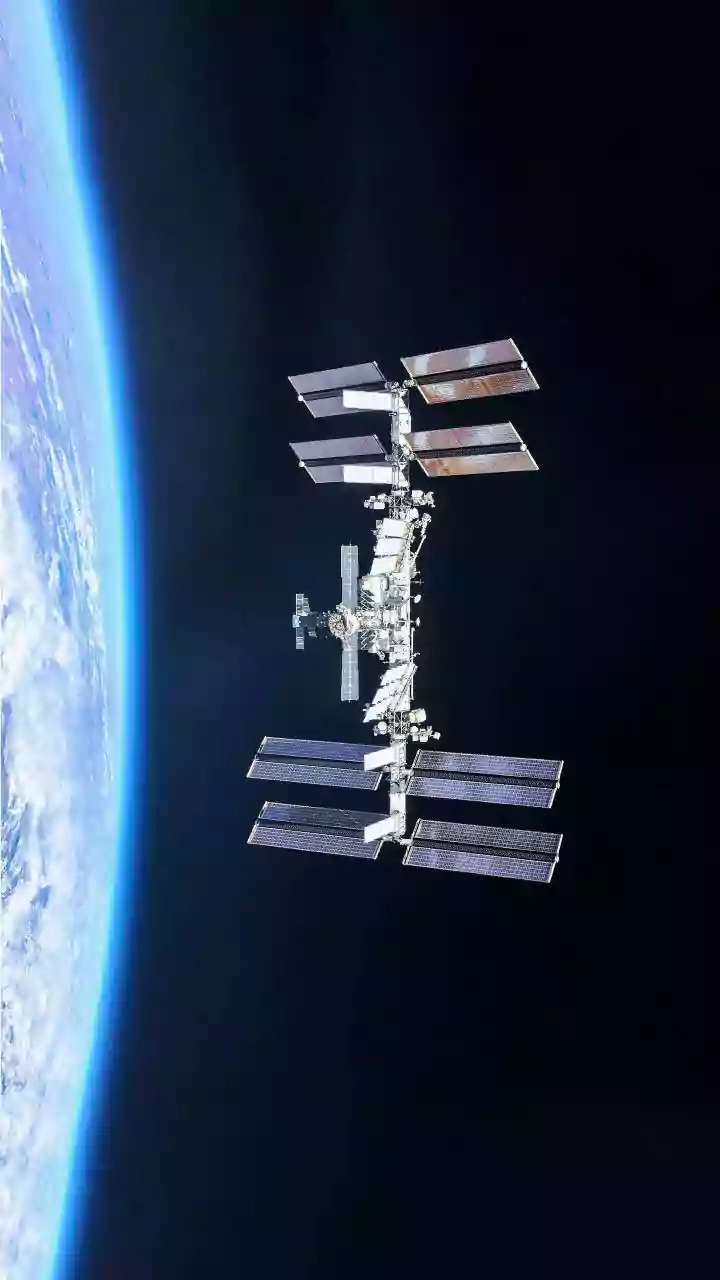
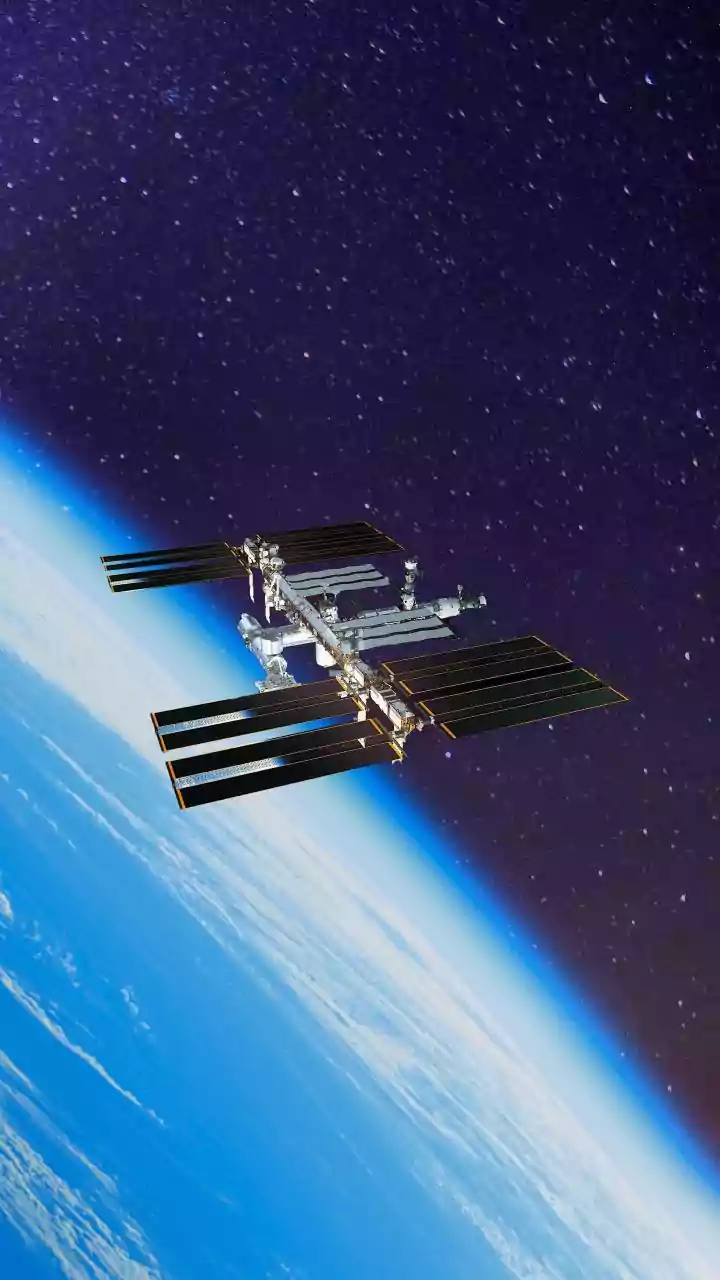
Gaganyaan is not the final destination; it is the gateway. The successful demonstration of human spaceflight will pave the way for India's next great ambition: the Bharatiya Antariksh Station (BAS), or Indian Space Station. Envisioned as a modular orbital facility, the government has announced plans to launch the first module by 2028 and establish a fully operational station by 2035. This station will allow for a permanent Indian presence in space, enabling long-duration scientific experiments in microgravity and serving as a crucial stepping stone for more advanced deep-space missions.
The Grand Vision: To the Moon and Beyond
The roadmap extends even further. Following the establishment of the space station, India has set its sights on landing an astronaut on the Moon by 2040. This long-term vision, part of the 'Amrit Kaal Vision 2047', positions the human spaceflight program as a central pillar of India's goal to become a leading global space power. This shift from remote exploration to putting humans at the centre of its missions reflects a profound national ambition. It is a transition from being a participant in the space race to becoming a leader that shapes its future, inspiring new generations and cementing India's place among the stars.