

The Spectacle of Onam
September in Kerala is synonymous with Onam, the state's most significant and vibrant harvest festival. Spanning ten days, this festival commemorates the legendary homecoming of King Mahabali and is celebrated by all communities. For travellers, this means
witnessing a state come alive with joyous festivities. Homes are adorned with intricate floral carpets called 'Pookalam', created daily with fresh blossoms to welcome the king’s spirit. The air is filled with the sounds of traditional music and the sights of folk dances like the graceful 'Thiruvathirakali'. The celebration culminates on the tenth day, Thiruvonam, with the 'Onam Sadya', an elaborate vegetarian feast featuring over 20 dishes served on a banana leaf, which is an experience in itself.
Athachamayam: A Royal Kick-Off
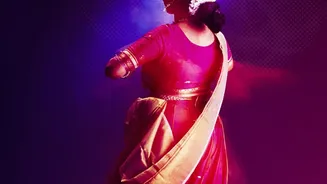
The Onam festivities officially begin with Athachamayam, a magnificent cultural parade held in the historic town of Thripunithura, near Kochi. This event is a living museum of Keralan folk art. What was once a ceremonial march by the Maharaja of Cochin has transformed into a grand public spectacle featuring caparisoned elephants, colourful floats depicting mythological scenes, and troupes performing nearly every form of regional art. You can witness Kathakali dancers, Mohiniyattam performers, and energetic percussion ensembles all in one place. Attending Athachamayam offers a comprehensive and electrifying introduction to the diverse cultural landscape of the state.
Pulikali: The Roar of the Tiger Dance
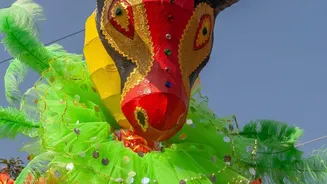
On the fourth day of Onam, the streets of Thrissur erupt with a unique and boisterous energy for Pulikali, or the 'Tiger Dance'. This fascinating folk art form, with a history of over 200 years, sees hundreds of performers transform themselves into tigers and leopards. Artists spend hours having their bodies, often including their bellies, painstakingly painted with bright yellow, red, and black stripes. They then dance through the streets to the powerful rhythm of traditional percussion instruments like the 'chenda' and 'thakil', mimicking the movements of a tiger. This vibrant, slightly wild procession is a testament to the community's spirit and artistic dedication, drawing thousands of spectators.
Aranmula Boat Race: A Sacred Regatta
While Kerala is famous for its snake boat races ('Vallamkali'), the Aranmula Uthrittathi Vallamkali is more than just a competition; it's a sacred ritual. Held on the Pamba River, this event is one of the oldest and most revered boat races, deeply connected to the Aranmula Parthasarathy Temple. Legend holds that the race began as a re-enactment of villagers in snake boats coming to the rescue of a sacred boat carrying offerings for the temple feast. The massive, elegant snake boats, called 'Palliyodams', are treated as divine vessels. The sight of over 100 oarsmen rowing in perfect unison while chanting traditional songs ('Vanchipattu') is a powerful display of teamwork, faith, and heritage.
Nature's Post-Monsoon Glory
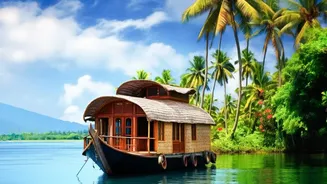
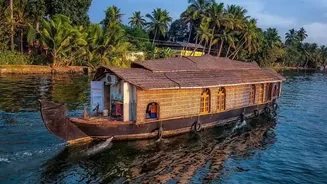
Beyond the organised festivities, September is simply a beautiful time to be in Kerala. The heavy monsoon rains have passed, leaving the landscape incredibly lush, green, and refreshed. The backwaters of Alappuzha are full and serene, ideal for a houseboat cruise. Hill stations like Munnar and Wayanad are covered in a fresh carpet of green, their tea plantations and spice gardens looking their absolute best. The weather is pleasant, with less humidity and fewer crowds than the peak winter season, and you can often find better rates on accommodation. It's the perfect time to explore Kerala's natural beauty, from its cascading waterfalls to its vibrant wildlife sanctuaries, in a tranquil setting.