







For Travellers: Crafting a Smarter Itinerary
First-time visitors often underestimate the sheer scale of Rajasthan, leading to itineraries packed with long, exhausting travel days. While the Golden Triangle (Delhi-Agra-Jaipur) is a popular entry point, the real magic often lies off the beaten path.
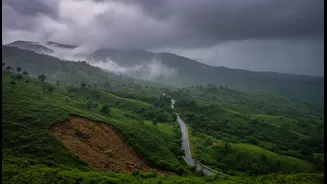
By tracking actual travel flows and crowd data, modern travellers can make more intelligent decisions. Instead of joining the peak-season rush in Jaipur or Udaipur, data might reveal that a visit during the monsoon season offers a more romantic and less crowded experience. Using readily available tools like mapping apps with traffic data and social media trends, you can gauge congestion at popular forts and palaces, planning your visits for early mornings or late afternoons to avoid the midday heat and crowds. This approach not only saves time but opens up the possibility of exploring hidden gems like Bundi, with its blue lanes and ancient stepwells, or the tranquil desert landscapes near Khimsar, which are often overlooked by mainstream tours. A data-informed journey is a smoother one, allowing for spontaneous stops and a deeper connection with the state's culture.
For Businesses: From Reactive to Predictive
Rajasthan's tourism industry often operates in a highly seasonal rhythm, with a surge of visitors in the winter and a lull during the harsh summer months. This fluctuation creates significant challenges for hotels, restaurants, and tour operators in managing staffing, inventory, and pricing. By paying closer attention to data on tourist movement, businesses can transition from a reactive to a predictive model. For instance, understanding that many travellers now seek 'slow travel' or offbeat experiences can inform a hotel in a lesser-known town like Pali or Narlai to market itself as a tranquil alternative. Analysing booking patterns and online inquiries can reveal emerging routes and interests. If search trends show a rising interest in 'wildlife near Jodhpur', local businesses can highlight leopard safaris in Jawai. This data-driven approach allows for better resource allocation, targeted marketing campaigns, and the creation of personalised experiences that modern travellers seek, ultimately boosting profitability and sustainability.
For Regional Aviation: Justifying New Connections
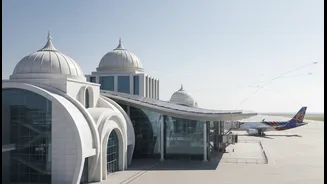
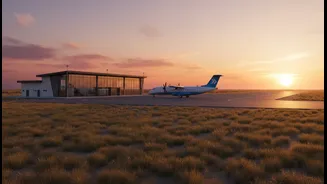
While Rajasthan has several major airports, connectivity to its remote and emerging tourist destinations remains a significant hurdle. Many smaller airstrips are underutilised, forcing travellers into long road journeys. For regional airlines, launching a new route is a high-risk decision that requires strong evidence of demand. This is where tracking traveller intent becomes invaluable. Data showing a high volume of travellers making the arduous road journey from Udaipur to Jaisalmer, for example, could provide the justification an airline needs to explore a direct flight. The Government of India's UDAN scheme, recently relaunched as Viksit UDAN, aims to enhance regional connectivity by making flights more viable for airlines and affordable for passengers. By analysing ground travel data, social media location tags, and search queries, airlines can identify and pitch routes that align with where travellers actually want to go, not just where infrastructure currently exists. This would unlock new tourist circuits and significantly reduce travel time, benefiting the entire ecosystem.
The Big Picture: A More Resilient Tourism Ecosystem
When travellers, businesses, and airlines all leverage data to understand actual routes, the collective benefit is immense. It creates a more intelligent and resilient tourism ecosystem. Over-tourism at popular sites can be mitigated by subtly guiding visitors towards less congested but equally fascinating alternatives. Infrastructure development can be planned more effectively, addressing needs where demand is proven. Local communities in previously overlooked areas can gain new economic opportunities. This data-driven collaboration helps balance the load, ensuring that the economic benefits of tourism are distributed more evenly and that the state's precious cultural and natural heritage is preserved for future generations. It's a shift from simply marketing destinations to managing the flow of people within them, ensuring sustainability and a higher quality experience for everyone involved.