






The Roof: Your First Line of Defence
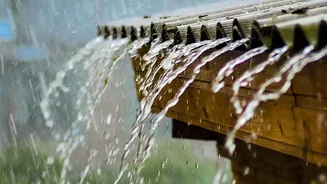
Your roof bears the brunt of any storm, making it the most common failure point. A seemingly small leak can lead to significant interior damage, from blistered paint and damp ceilings to compromised electrical wiring. Before the heaviest rains set in,
it's crucial to conduct a visual inspection. Look for missing, cracked, or loose tiles or shingles. Pay close attention to the areas around vent pipes, chimneys, and skylights, as the seals in these spots can degrade over time. Cleaning out your rooftop and terrace is also vital; accumulated debris can block water flow and cause it to pool, increasing the chances of seepage. If you spot any potential issues, it's best to address them immediately, as finding the source of a leak once it starts can be difficult.
Walls and Windows: The Silent Sentinels
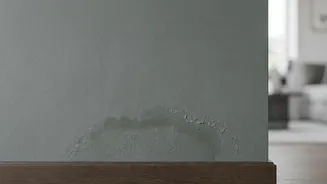
Exterior walls are your home's next line of defence. Over time, hairline cracks can develop in the plaster or paint, providing a perfect entry point for rainwater. During the monsoon, persistent dampness can cause water to seep through these cracks, leading to unsightly damp patches, peeling paint, and mould growth on your interior walls. Inspect your external walls for any visible cracks, especially around window and door frames. Sealing these gaps is a relatively simple fix that can prevent significant water damage. Wooden windows and doors are also susceptible, as they can swell from moisture absorption, making them difficult to operate and compromising their seal.
Drains and Gutters: The Unsung Heroes
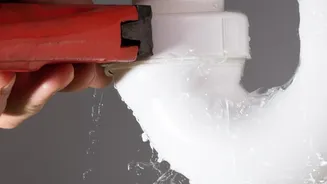
An effective drainage system is one of the most critical elements of a monsoon-ready home, yet it's often overlooked. Clogged gutters, balcony drains, and downspouts are a primary cause of water damage. When drains are blocked with leaves, dirt, and other debris, rainwater has nowhere to go. It overflows and can run down exterior walls or even pool around your home's foundation. This not only causes wall seepage but can also lead to more severe structural issues. Regularly clearing all drains is a non-negotiable task. Ensure that water is channelled away from your house to prevent it from collecting at the base.
The Foundation: Ground-Level Threats
Water that isn't properly channelled away poses a serious threat to your home's foundation. When heavy rain saturates the soil around your house, it can cause the soil to swell, exerting immense pressure on foundation walls. This hydrostatic pressure can lead to cracks, bowing walls, and uneven settling. Conversely, poor drainage can lead to soil erosion, where water washes away the soil that supports the foundation, creating voids and causing it to sink or shift. While many homeowners focus on their roof, what happens at ground level is just as important for the long-term structural integrity of your home.
Electrical Systems: The Hidden Danger
Water and electricity are a dangerous mix, and the high humidity and moisture of the monsoon season increase the risk of electrical hazards. Water seeping into walls can reach switchboards and junction boxes, creating a risk of short circuits or even fire. It's vital to ensure there is no leakage near any electrical installations. All outdoor electrical fittings, like garden lights and meter boxes, must be properly covered and waterproofed. Inside the home, avoid touching switches with wet hands and consider unplugging non-essential appliances during severe thunderstorms to protect them from power surges. Having a functional Earth Leakage Circuit Breaker (ELCB) or Residual Current Circuit Breaker (RCCB) is a critical safety measure.