






Why Special Trains Are a Student's Lifeline
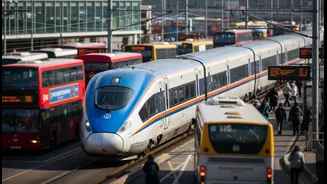
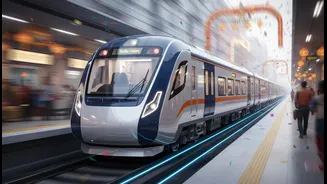
Indian Railways frequently operates special trains to manage what it calls "extra rush" during peak travel periods. These seasons directly coincide with major events in a student's calendar: competitive entrance exams, university term breaks, and major festivals
like Onam, Diwali, and Holi, when everyone is trying to get home. For instance, to handle increased demand, the railway minister recently announced that over 100 special trains will be operated for the Onam festival and 300 for the Puri Rath Yatra. These services are not just random additions; they are specifically deployed on high-demand routes connecting major cities and educational hubs with towns across the country, essentially acting as a pressure-release valve for the overburdened regular services. For students travelling to exam centres in different cities or heading home for a short break, securing a seat on one of these special trains can be the only viable option when regular trains are booked out months in advance.
The High Stakes of Missing an Update
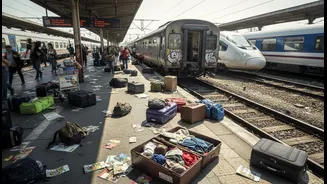
Ignoring these announcements can have serious consequences that go far beyond simple inconvenience. The most devastating risk for a student is missing a crucial entrance exam or a university semester test. A train delay can derail an entire academic year and career path. This isn't just a hypothetical fear; it's a harsh reality. In a widely reported case, a student who missed her entrance exam due to a delayed train fought a seven-year legal battle and was eventually awarded ₹9.1 lakh in compensation from the Railways. The court acknowledged the delay resulted in the loss of a valuable academic year and caused significant mental, physical, and financial hardship. Beyond the academic risk, there's the immediate stress and financial loss of having to book expensive last-minute travel on buses or flights, or worse, being stranded in an unfamiliar city. A missed update could mean arriving at the station only to find your expected train is cancelled, rescheduled, or departing from a different platform.
It's More Than Just New Trains
Staying informed is not just about catching the announcement of a completely new special service. Railway updates can be varied and nuanced. Zonal railways like Central and Southern Railway often announce the extension of existing special train services to cater to persistent demand. For example, Central Railway recently extended the operation of 216 special train services to manage ongoing travel demand. Other critical updates include the temporary augmentation of trains with extra coaches—like adding an AC Three-Tier or Sleeper Class coach—to increase berth availability on popular routes. There can also be last-minute changes to train timings, routes, or platform numbers. Being aware of these smaller changes is just as important as knowing about a new train, as it can prevent confusion and chaos on the day of your journey.
Your Official Guide to Staying Informed
In the age of misinformation, relying on verified sources is paramount. The most reliable information comes directly from Indian Railways itself. Students should make it a habit to check the following official channels regularly:
1. National Train Enquiry System (NTES): The NTES website and mobile app are the gold standard for real-time information. You can track live train running status, get platform numbers, and see any schedule changes.
2. IRCTC Website and App: When booking tickets, the IRCTC portal is where special trains will be listed. It is also a primary source for announcements on extended services and new bookings.
3. Official Social Media Handles: Zonal railways, such as Southern Railway (@GMSRailway) and Central Railway, are very active on X (formerly Twitter). They post real-time updates on special services, extensions, and schedule changes.
4. Press Information Bureau (PIB): For major seasonal announcements, such as the overall plan for summer or festival specials, the PIB website is the definitive source for official releases from the Ministry of Railways.
It's crucial to avoid relying on unverified WhatsApp forwards or third-party websites that may not have the latest information.
Pro-Tips for Stress-Free Travel
Knowing where to look is half the battle. The other half is being proactive. First, start checking for special train announcements as soon as your travel dates are confirmed. Bookings for these trains often open on specific dates, which are announced beforehand. Second, once you have a ticket, regularly check your PNR status for any updates. Third, use the 'Live Train Status' feature on the NTES or RailMitra app on the day of travel to track your train's exact location and expected arrival time at your station. Finally, always have a small buffer. Plan to reach the station a little earlier than usual, especially during peak seasons, to handle any last-minute platform changes or boarding rush. Having a backup plan, even a tentative one, can provide peace of mind in case of unforeseen major disruptions.