



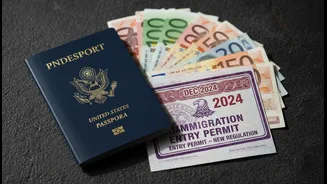



The Return of the Visa on Arrival
The era of visa-free travel for Indians, which was in place for much of the last couple of years, has ended. As of mid-2026, Indian passport holders are back to needing a visa. For most tourists planning a short trip, this means getting a Visa on Arrival
(VoA). The VoA typically allows for a 15-day stay and comes with a fee of 2,000 Thai Baht, which should be paid in cash. If your holiday plans extend beyond 15 days, you must apply for a 60-day tourist e-Visa online before you travel. This shift means you can no longer just show up; you need to be ready with the right visa process for your trip's length.
Proof of Funds: The Non-Negotiable Cash Rule
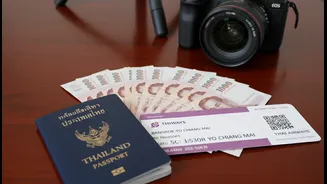
Thai immigration authorities are placing renewed emphasis on a long-standing rule: proof of sufficient funds. For tourists, immigration officers have the discretion to ask you to show that you can support yourself during your stay. For those entering on a Tourist Visa, the requirement is generally 20,000 THB per person (approximately ₹47,000-₹58,000) or 40,000 THB per family. For Visa on Arrival, the amount is 10,000 THB per person or 20,000 THB per family. While some reports suggest digital proof might be accepted, advisories strongly recommend carrying this amount in cash to avoid any issues. This check is to ensure visitors do not end up working illegally or becoming a burden on the state.
Confirmed Bookings are a Must
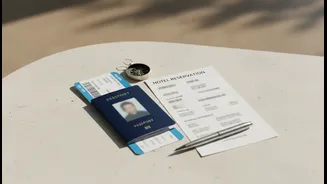
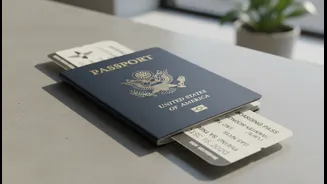
Your travel plans need to be concrete. Immigration officials will likely ask for proof of a confirmed return or onward flight ticket and details of your accommodation. Simply stating you will book a hotel upon arrival is a red flag for officials. You must have a paid or confirmed hotel reservation, at least for the first few nights of your stay. Having these documents printed out or easily accessible on your phone is crucial. Mismatches between your stated plans and your documents can lead to further questioning or, in worst-case scenarios, denial of entry.
Don't Forget Your Digital Arrival Card (TDAC)
The paper TM6 arrival form is a thing of the past. All foreign travellers, regardless of nationality or visa type, must now complete the Thailand Digital Arrival Card (TDAC) online. This must be done within 72 hours before your arrival. The process is free on the official immigration website and, upon completion, you will receive a QR code via email. This QR code is mandatory and will be scanned at the immigration counter along with your passport. Airlines may even deny boarding if you haven't completed it, so make it a priority before you head to the airport.
Why the Increased Scrutiny?
The tightening of entry rules is part of a broader strategy by Thai authorities to enhance security and ensure compliance with immigration laws. After a period of relaxed policies designed to boost post-pandemic tourism, the government is now focused on curbing issues like visa overstays and illegal employment. Officials have noted that the checks are not aimed at any specific nationality but are standard procedures to manage the high volume of visitors and maintain national security. By being a well-prepared and genuine tourist, you help the system work efficiently for everyone.
Your Smooth Entry Checklist
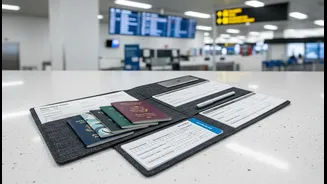
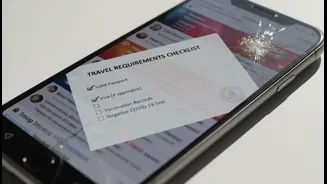
To ensure a hassle-free start to your Thai vacation, double-check that you have everything in order before you leave. Your passport must have at least six months of validity from your date of entry. Have your Visa on Arrival form pre-filled if possible, or have your e-Visa confirmation ready. Keep your confirmed return flight ticket and hotel bookings accessible. Don't forget to complete the TDAC and save the QR code. Finally, carry the required proof of funds, preferably in cash, to present if asked. Grouping all these documents into a single, easy-to-reach folder can save you time and stress at the immigration counter.