


Assess the Shop's Hygiene First
Your first clues about the quality of the sweets lie in the environment where they are sold. Before you even look at the mithai, take a moment to observe the shop itself. Is the floor clean? Are the counters wiped down and free of clutter? Pay close attention
to signs of pests; the presence of flies or other insects is a major red flag. Staff hygiene is equally critical. Employees should be wearing clean attire, and those handling food must use gloves or tongs. Sweets, especially milk-based ones, should be stored in covered containers and preferably in refrigerated displays to prevent spoilage. If a shop appears generally dirty or disorganised, it’s a strong indicator that food safety is not a priority.
Use Your Senses: Look, Smell, and Touch
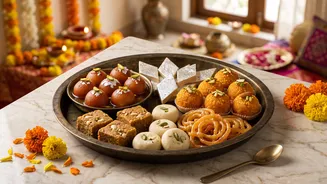
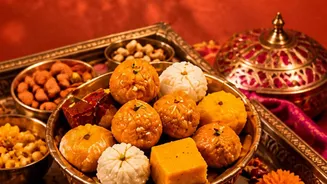
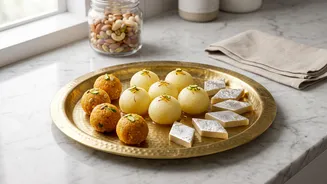
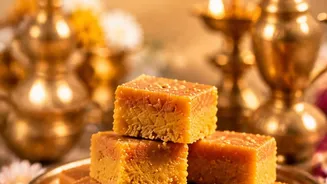
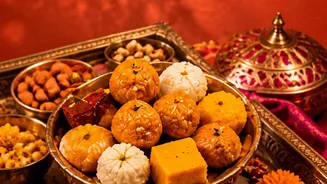
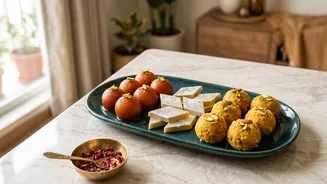
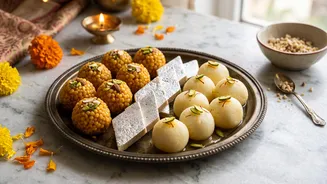
Your senses are your best tool for a preliminary check. Freshly made sweets have a vibrant but natural appearance. Be wary of colours that are excessively bright or unnatural, as they may contain non-permitted, harmful synthetic dyes. A fresh sweet should have a pleasant, characteristic aroma. A sour, musty, or chemical smell, especially in milk-based products like barfi or peda, indicates they are likely spoiled. When possible, ask for a small sample to check the texture and taste. A gritty, rubbery, or unusually hard texture can point to the use of fillers like starch. The taste should be clean and fresh; any soapy or bitter aftertaste is a clear warning sign of chemical adulteration.
Know the Common Adulterants
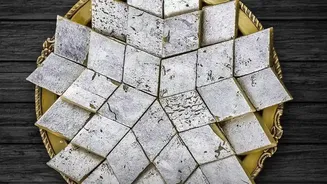
Unscrupulous sellers often use cheaper substitutes to cut costs during the festive rush. Khoya, or mawa, is one of the most commonly adulterated ingredients, often bulked up with starch, flour, or even synthetic materials made from vegetable oil. Pure ghee might be replaced with lower-quality fats like vanaspati or palm oil. Another major concern is the decorative silver foil known as 'vark'. Authentic vark is made of pure silver and disintegrates when rubbed. However, it is frequently substituted with cheaper, non-edible aluminium foil, which can be harmful if ingested. Being aware of these common tricks can help you ask pointed questions and make better choices.
Check for FSSAI Licensing and Labels
Trustworthy vendors will be registered with the Food Safety and Standards Authority of India (FSSAI). Look for the FSSAI license number displayed prominently in the shop. For packaged sweets, always check the label for an FSSAI number, a clear list of ingredients, the manufacturing date, and a 'best before' or 'use by' date. In recent years, regulations have been tightened to require this information even for loose sweets sold from trays. If a vendor is unable or unwilling to provide this information, it's best to take your business elsewhere. An intact seal on packaged goods is another guarantee that the product has not been tampered with.
Simple Tests You Can Do at Home
If you are still unsure about the quality of your purchase, there are a few simple tests you can perform at home, as recommended by food safety experts. To test khoya for starch, dissolve a small amount in hot water, let it cool, and add a few drops of iodine tincture. If the solution turns blue, it indicates the presence of starch. To check the authenticity of silver vark, gently rub a piece between your fingers. Real silver will dissolve into your skin, while fake aluminium foil will roll into a small ball. To detect detergent in milk-based sweets, dissolve a piece in water and shake the solution vigorously. If a dense, soapy lather forms, it suggests contamination.