





Meet Amaranth: The Ancient Super Grain
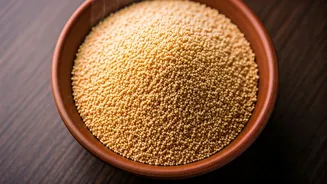
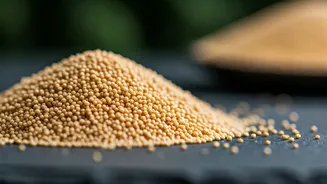
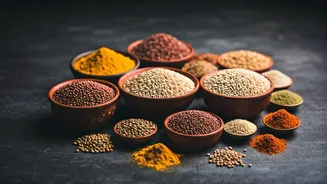
Amaranth, known as 'rajgira' or 'ramdana' in India, is not a true grain but a pseudocereal, much like quinoa. For thousands of years, it was a staple food for ancient civilisations like the Aztecs, who revered it for its incredible nutritional properties.
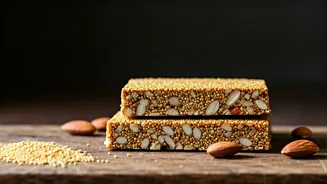
Today, it’s experiencing a global revival as a 'superfood'. Unlike many refined grains, amaranth is naturally gluten-free and boasts a complete protein profile, meaning it contains all nine essential amino acids. Its tiny, poppy-seed-like grains have a mild, nutty, and slightly earthy flavour, making it a versatile ingredient that can be adapted for both sweet and savoury dishes. From laddoos to porridges, amaranth has long been a part of Indian culinary traditions, especially during fasting periods, but its daily potential is often overlooked.
A Plant-Based Iron Powerhouse
One of amaranth's most significant benefits is its high iron content. Iron is a crucial mineral that helps transport oxygen in the blood and supports overall energy levels. A lack of iron can lead to anaemia, characterised by fatigue, weakness, and shortness of breath. For vegetarians and those looking to increase their plant-based iron intake, amaranth is an exceptional choice. A single cup (about 246 grams) of cooked amaranth can provide over 5 milligrams of iron, which is a substantial portion of the recommended daily intake for adults. This makes it one of the most iron-rich grains available, surpassing even well-known sources like oats and brown rice. Incorporating it into your diet just a few times a week can make a meaningful contribution to preventing iron deficiency.
Why Steaming Is the Superior Method
While amaranth can be boiled, popped, or ground into flour, steaming is an excellent method for preparing the whole grains. Steaming helps preserve the delicate nutrients, including water-soluble vitamins, which can be lost when boiling and draining. It also yields a wonderfully fluffy and light texture, preventing the grains from becoming a dense, gelatinous mass, which can happen with boiling if not watched carefully. Steamed amaranth maintains its individual grain structure better, making it a perfect, non-sticky base for salads, a side dish to replace rice, or a textured addition to other recipes. Furthermore, it's a simple, hands-off cooking process that requires minimal equipment—just a pot with a steaming basket.
How to Steam Amaranth Perfectly
Steaming amaranth is incredibly simple. Follow these steps for a perfect batch every time: 1. **Rinse:** Start by rinsing 1/2 cup of amaranth grains under cold water in a fine-mesh sieve. This removes any potential bitterness or dusty residue. 2. **Combine:** Place the rinsed amaranth in a saucepan with 1 cup of water or vegetable broth for more flavour. The key is a 1:2 ratio of grain to liquid. 3. **Simmer:** Bring the mixture to a boil, then immediately reduce the heat to low, cover the pot, and let it simmer gently. This allows the grains to absorb the water slowly, effectively steaming them. 4. **Rest:** Let it cook for about 20–25 minutes, or until all the water is absorbed. Avoid lifting the lid and stirring. Once cooked, turn off the heat and let it sit, covered, for another 10 minutes. This final resting step is crucial for a fluffy finish. 5. **Fluff:** After resting, gently fluff the grains with a fork. You should have a light, tender, and perfectly cooked batch of amaranth ready to use.
Easy Ways to Enjoy Steamed Amaranth
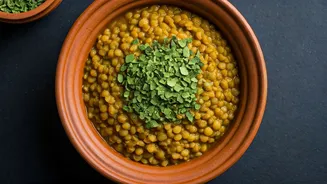
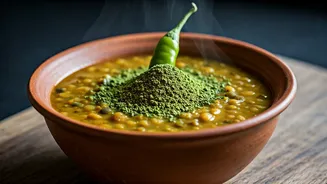
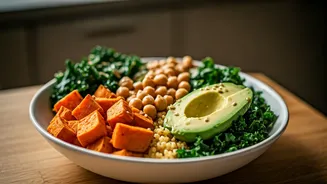
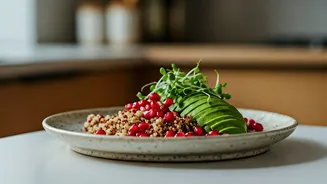
Now that you have your perfectly steamed amaranth, it's time to enjoy it. Here are a few simple ideas to get you started: * **Breakfast Porridge:** Reheat the steamed amaranth with a splash of milk (dairy or non-dairy), and top it with fresh fruit, nuts, seeds, and a drizzle of honey or jaggery. * **Savoury Upma-Style Dish:** Sauté mustard seeds, curry leaves, onions, and your favourite vegetables. Stir in the cooked amaranth, add a squeeze of lime juice, and garnish with fresh coriander for a wholesome and quick meal. * **Salad Base:** Let the steamed amaranth cool completely, then toss it with chopped cucumbers, tomatoes, bell peppers, and a lemon-herb vinaigrette for a nutrient-dense and filling salad. * **Side Dish Swap:** Use it as a healthier, protein-packed alternative to white rice or quinoa to accompany your favourite curries and dals.