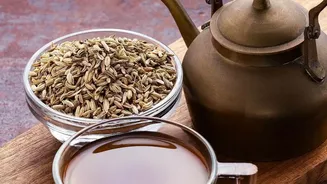






A Symphony of Spices in Every Sip
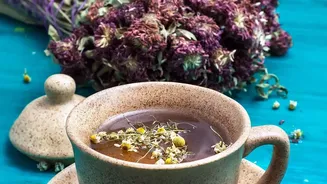
The heart of a traditional spiced tea, or masala chai, lies in its blend of aromatic spices, each contributing more than just flavour. Ginger is a well-known powerhouse, celebrated for its ability to soothe digestion, reduce nausea, and combat inflammation.
Cardamom, with its complex sweet and savoury notes, is traditionally used to aid detoxification and support metabolism. Cinnamon, the comforting bark that defines so many warm beverages, is prized for its role in helping to regulate blood sugar and improve circulation. Cloves, small but mighty, are packed with antioxidants and have been used for their antimicrobial and pain-reducing properties for centuries. Together, these spices work in harmony, creating a beverage that not only delights the senses but also offers a gentle, warming boost to the body's natural defences and digestive calm.
The Case for Going Dairy-Free
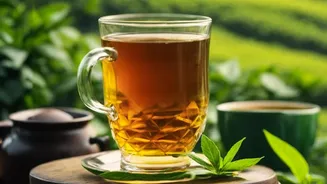
For many, a cup of chai is incomplete without a generous pour of milk. However, to get the maximum wellness benefits from the tea itself, you might consider leaving it out. Tea is rich in a class of antioxidants called flavonoids, which are responsible for many of its health-promoting properties. Some scientific research suggests that casein, a protein found in cow's milk, can bind to these beneficial compounds in the tea, potentially reducing their absorption by the body. While the science isn't entirely settled and some studies show a minimal effect, the consensus is that for maximum antioxidant uptake, drinking your tea plain is the most efficient path. Ayurvedic tradition has also long viewed milk and tea as a combination that can be heavy and alter the tea's intended effects on the body. By skipping the milk, you allow the tea’s natural character and the full spectrum of its plant-based benefits to be more readily available.
From Foothills to Your Cup: The Importance of Origin
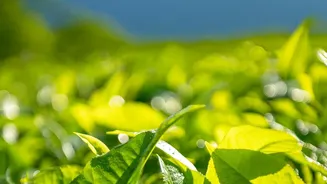
The phrase 'foothill valleys' isn't just poetic—it points to a crucial factor in tea quality known as terroir. Borrowed from the world of wine, terroir refers to the unique environmental conditions of a growing location, including its soil, climate, and altitude, that give a product its distinctive character. Teas grown in high-altitude foothill regions, such as India's Darjeeling, Nilgiri, or Kangra, are highly prized for this reason. The stress of growing in cool, thin mountain air and misty conditions causes the tea plant to grow more slowly. This slow growth concentrates the aromatic compounds in the leaves, resulting in a more complex, floral, and delicate flavour profile compared to teas grown at lower elevations. This unique environment, from the mineral-rich soil to the specific patterns of sunlight and rainfall, contributes to the tea’s final taste and chemical composition, making its origin a key ingredient in its quality.
Crafting a Daily Ritual for Plant Wellness
Embracing a milk-free spiced tea is less about restriction and more about creating a mindful daily ritual. It's an opportunity to connect with the concept of 'plant wellness'—a holistic approach that harnesses the natural, unadulterated goodness of plants. When you combine the specific benefits of spices like ginger and cinnamon, the uninhibited antioxidant power of black tea, and the nuanced complexity of a leaf grown in a unique terroir, you create a synergistic beverage. This daily practice becomes more than just a caffeine boost; it is a moment to support your digestion, boost your immunity, and calm your mind. By focusing on these pure plant ingredients, you're not just drinking tea—you're participating in a simple, powerful act of self-care that has been refined over centuries.