





From Stargazing to Science
For centuries, the cosmos has been a canvas for human curiosity. But for most of that time, meaningful contribution was limited to professional astronomers with access to powerful and expensive equipment. That landscape is rapidly changing. The rise of citizen
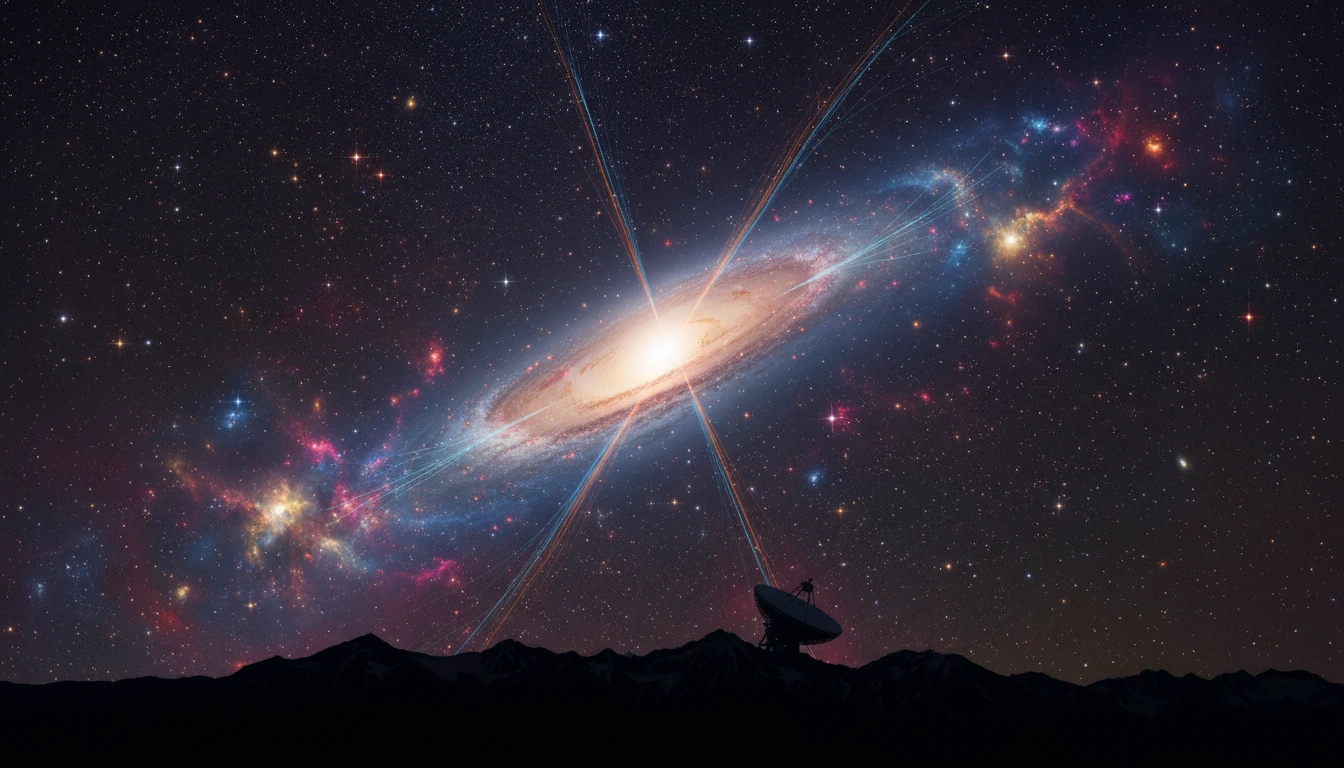
science, particularly in astronomy, is breaking down these barriers. This new model of collaborative research has been supercharged by the internet and the availability of vast amounts of data from sky surveys. Now, anyone with a computer and a passion for the stars can participate in genuine scientific discovery. A prime example of this democratic shift is RAD@home, an Indian citizen science network that has trained over a thousand volunteers, including enthusiasts from remote corners of the country like Sikkim.
The Power of the Crowd
Modern telescopes, like the Giant Metrewave Radio Telescope (GMRT) in India, generate a flood of data far too large for professional research teams to analyze on their own. This is where citizen scientists become crucial collaborators. By distributing tasks like classifying galaxies or spotting unusual objects, researchers can harness the collective power of thousands of human eyes. Our brains are exceptionally good at pattern recognition, often catching subtleties and anomalies that automated computer algorithms might miss. This was recently highlighted in June 2026 when a citizen scientist with the RAD@home network helped identify a rare 'bow-and-arrow' shaped radio galaxy, a phenomenon long predicted but never clearly seen before. The initial discovery was made by a participant during a weekend online class, showcasing how powerful this collaborative model can be.
An Indian Initiative with Global Impact
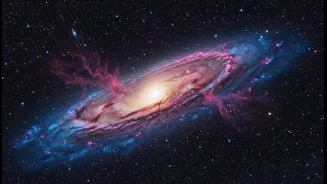
RAD@home, founded in 2013, is India's first citizen science research platform in astronomy. It operates as a nationwide, zero-infrastructure collaboratory, using social media and online tools to connect and train undergraduate students and other citizens. Participants learn to create and analyze false-colour images from publicly available astronomical data, including radio, infrared, and optical surveys. The project focuses on understanding the co-evolution of galaxies and the supermassive black holes at their centers. This Indian-led initiative has gained international acclaim and demonstrates a successful model for conducting large-scale research without massive funding, relying instead on a network of passionate volunteers. A recent discovery of a unique galaxy by Pranim Limbo, a citizen scientist from a remote village in Sikkim, underscores the project's reach and impact.
More Than Just Data
The benefits of citizen science extend far beyond research papers. For the participants, it's an opportunity for hands-on learning, developing skills in data analysis and understanding the scientific method. It fosters a deeper connection to the universe and provides a sense of contribution to a grand, collective endeavour. For the scientific community, it not only accelerates discovery but also helps build public trust and a greater appreciation for science. In a country like India, initiatives that promote scientific temperament are crucial. Projects like RAD@home and the establishment of local science centers and planetariums, such as the Sikkim Science Centre, play a vital role in igniting curiosity and making science accessible and engaging for all, especially students.
How You Can Get Involved
The beauty of citizen science is its accessibility. You don't need a PhD or a personal telescope to start contributing. Many global and Indian projects are open to everyone. Platforms like Zooniverse host dozens of projects where you can help classify galaxies from the Hubble Space Telescope, discover exoplanets in data from NASA's TESS satellite, or even map features on Mars. India's RAD@home regularly conducts online workshops to train new 'i-astronomers'. These platforms provide tutorials to get you started. All that’s required is curiosity and a willingness to learn. By participating, you can move from being a passive admirer of the cosmos to an active participant in its exploration.