



The Golden Rule of Light
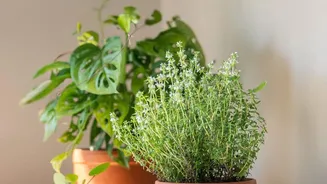
Thyme is a Mediterranean native, which means it craves sunshine. To grow a healthy, bushy plant indoors, you must provide it with at least six hours of bright, direct sunlight each day. The ideal location is a south-facing windowsill where it can soak
up the rays. If you lack a sufficiently sunny spot, don't despair. A standard LED grow light can effectively supplement natural light, ensuring your thyme doesn't become 'leggy'—a common issue where stems stretch out with sparse leaves due to insufficient light. If using a grow light, aim for a 12 to 14-hour cycle to mimic a long summer day.
Choosing the Right Pot and Soil
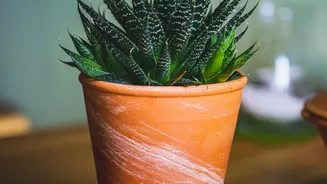
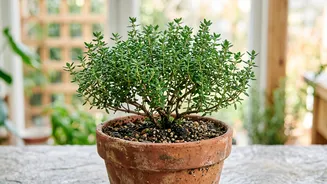
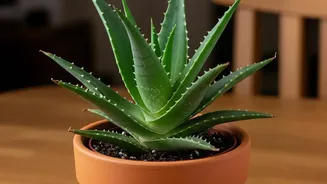
Success with indoor thyme is as much about what's below the surface as what's above. The number one mistake when growing thyme is overwatering, which leads to root rot. To prevent this, choose a pot with excellent drainage. Terracotta pots are a fantastic choice because the porous clay helps wick away excess moisture from the soil. The soil itself must be light and well-draining. A pre-made cactus or succulent mix works well, or you can create your own by blending standard potting mix with sand, perlite, or grit to improve drainage. Heavy, dense soil that holds water is the enemy of a happy thyme plant.
Mastering the Art of Watering
When it comes to watering thyme, less is definitely more. This is a drought-tolerant herb that prefers its soil to dry out completely between waterings. A good rule of thumb is to water thoroughly only when the top inch or two of soil is bone dry to the touch. Indoors, this might mean watering just once every 10 to 15 days. A simple test is to lift the pot; if it feels very light, it's time to water. Always water until you see liquid escaping the drainage holes, then let it drain completely. Never let the pot sit in a saucer full of water, as this is a direct path to the dreaded root rot.
Harvesting for Flavour and Health
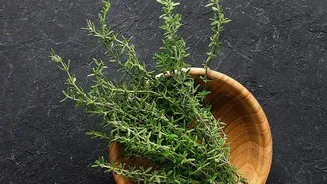
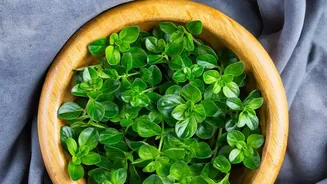
Regular harvesting is not just for your dinner plate; it also keeps the plant healthy and encourages bushier growth. You can start snipping sprigs once the plant is well established and has plenty of stems. Use clean scissors to trim the soft, green stems, avoiding the tougher, woody parts at the base. For the most intense flavour, harvest your thyme in the morning, just after the dew has dried but before the sun gets too hot. The concentration of essential oils is highest at this time. To avoid stressing the plant, never remove more than one-third of its growth at once.
Troubleshooting Common Issues
Even with the best care, you might encounter a few issues. If your plant looks wilted or the leaves are turning brown, your first instinct might be to water it. However, with thyme, these are classic signs of overwatering and root rot. Before adding more water, check the soil. If it's damp, let it dry out completely. Stretched, weak-looking stems with few leaves indicate a lack of light. Move your plant to a sunnier spot or supplement with a grow light. Pests are rarely an issue for indoor thyme, but if you spot spider mites or aphids, a simple spray of water or insecticidal soap should take care of them.