








A Tale of Two Snacks
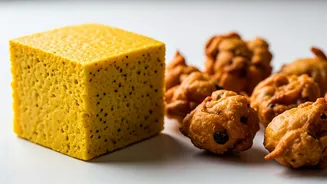
On the surface, this is a debate for the foodies. The pakora is the undisputed king of indulgence. It’s crispy, spicy, deep-fried joy, a perfect companion to a cup of cutting chai during a downpour. It offers an immediate, intoxicating rush of flavour
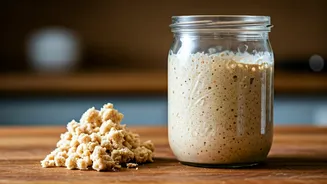
and satisfaction. The dhokla, in contrast, is humble. It’s steamed, spongy, and light. It doesn’t scream for your attention. Its pleasures are more subtle—a gentle tang, a soft texture, a quiet energy that doesn’t demand a post-meal nap. The pakora is a sprint; dhokla is a marathon. One gives you a fleeting, explosive high, while the other provides sustained, reliable fuel. Medically speaking, the difference is clear. Pakoras are laden with oil and simple carbs, leading to a rapid spike in blood sugar followed by a crash—the dreaded ‘pakora overload.’ Dhokla, made from a fermented batter of gram flour or rice, is easier to digest, lower in fat, and offers a more controlled release of energy. It’s the sensible choice, even if it isn’t always the most exciting one.
The 'Pakora Overload' in Our Lives
This culinary contrast is a perfect metaphor for how we approach our work and lives. We live in a culture that glorifies the ‘pakora’ method. It’s the all-nighter before a deadline, the 14-hour workday to impress the boss, the crash diet before a wedding. It’s the ‘hustle culture’ that celebrates burnout as a badge of honour. We chase the intense, dramatic burst of effort, believing it’s the only way to achieve significant results. But what follows? The inevitable overload. The burnout that leaves you unproductive for days. The mental and physical exhaustion that makes even simple tasks feel monumental. Like eating one too many fried bhajiyas, this approach gives you a short-term win but leaves you feeling heavy, sluggish, and ultimately, less effective. This cycle of intense activity followed by forced recovery is unsustainable. It mistakes motion for progress and intensity for impact.
Embracing 'Dhokla Energy'
So, what’s the alternative? Embracing ‘dhokla energy.’ This is the philosophy of consistent, sustainable effort. It’s about showing up every day, even when you don’t feel like it, and doing a little. It’s the writer who pens 300 words daily instead of attempting a 10,000-word marathon once a month. It’s the person who takes a 30-minute walk every evening, rather than planning a grueling-but-frequently-skipped weekend gym session. It’s the project manager who insists on steady progress and realistic timelines over heroic, last-minute saves. ‘Dhokla energy’ is less glamorous. It doesn't make for dramatic stories. But its power lies in accumulation. Small, consistent efforts compound over time, leading to massive, durable results without the collateral damage of burnout. It prioritises pacing over speed, and endurance over intensity. It’s about building systems and habits that support long-term growth, not just short-term gains. It’s the quiet confidence of knowing you’re building something solid, one steamed block at a time.
But Yes, Sometimes You Need a Pakora
The headline is careful to include a crucial word: 'sometimes.' This isn't a call to banish pakoras from your life entirely—culinary or metaphorical. There are moments that demand that fiery, all-in burst of energy. The final push to launch a product. A genuine crisis that requires immediate, intense focus. A celebration that calls for unrestrained joy. These are the ‘pakora moments’—necessary, and even enjoyable, in moderation. The problem isn’t the existence of pakoras; it’s when a pakora diet becomes our default setting. The key is balance. It's about building a foundation of ‘dhokla energy’—steady habits, good routines, and a sustainable pace—that allows you to handle the occasional ‘pakora moment’ without collapsing. When your baseline is healthy and consistent, you have the reserve energy to sprint when you absolutely have to.