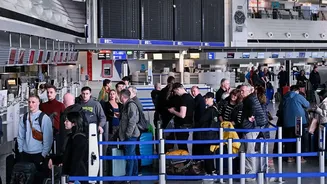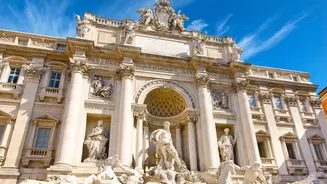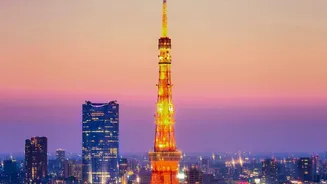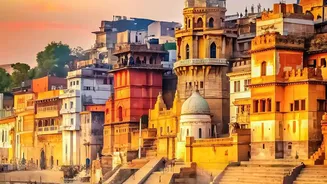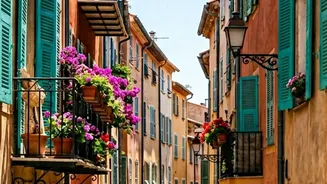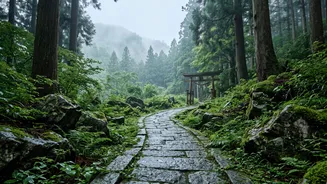



We know the feeling: the blur of airports, the frantic check-ins, and a camera roll full of landmarks you barely remember seeing. But what if the most rewarding trip wasn't about covering more ground, but about truly arriving somewhere?
The Flaw of the Frantic Holiday
The traditional
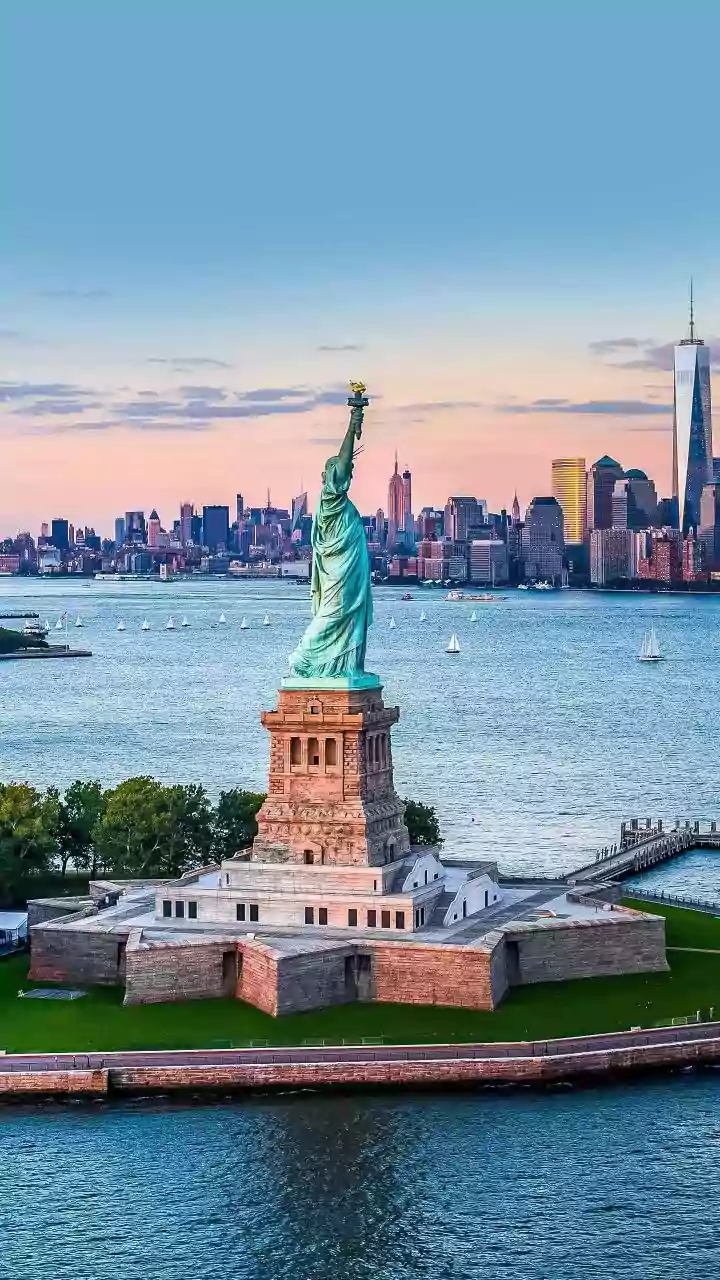
multi-city tour is built on a simple, appealing premise: see as much as possible in the limited time you have. It treats travel as a checklist, with destinations and sights to be ticked off before moving on to the next. The reality, however, is often one of constant motion, logistical stress, and superficial encounters. You might collect photos of five cities in seven days, but the memories can feel thin. This approach often leaves travellers feeling like they need a vacation from their vacation, with the dominant experience being the journey between places rather than the places themselves. This 'checklist tourism' prioritises quantity over quality, a race against time that can strip the joy and meaning from the very act of discovery.
The Art of Staying Put
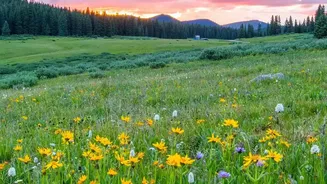
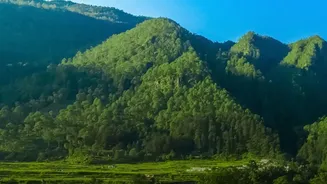
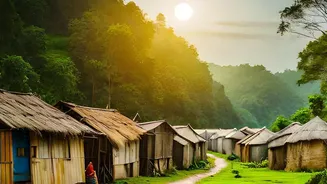
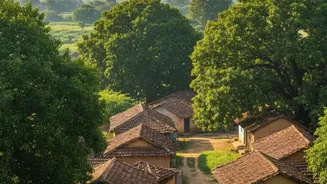
In contrast, the 'slow travel' philosophy argues for depth over distance. It’s not about moving at a snail's pace, but about choosing to inhabit a place, however briefly. Spending four days in a single 'forest village' — whether it's a literal village, a quiet coastal town, or a single neighbourhood in a bustling city — allows a destination to unfold naturally. This mindset swaps a packed itinerary for unstructured time, leaving space for spontaneity. Instead of racing between hotspots, you can find a favourite cafe, learn the shortcut to the local market, and notice the unique rhythm of a place. The goal is not to see less, but to absorb what you see more fully.
Deeper Connections, Richer Memories
When you stop rushing, you start connecting. Slow travel creates opportunities for the kind of authentic interactions that are impossible when you’re just passing through. You might have a real conversation with a shopkeeper, get a restaurant recommendation from a local, or simply observe the patterns of daily life. Psychologically, this immersion has profound benefits. Research suggests that new and deep experiences can reduce stress, enhance creativity, and increase overall happiness. Breaking from a rigid schedule allows for mindfulness, giving your brain a chance to reset and truly engage with your surroundings, which builds more resilient and vivid memories.
A Kinder Way to Explore
The benefits of slowing down extend beyond personal enrichment. Staying longer in one place is inherently more sustainable. It drastically reduces your carbon footprint by minimising transportation between destinations, which is often the most environmentally costly part of a trip. Economically, slow travel directs more money into the local community. Travellers are more likely to support small, family-run businesses, eat at local restaurants, and shop at neighbourhood markets, combating the 'tourism leakage' where money flows to large, multinational corporations instead of the people who live in the destination. Studies show that slow travellers often spend more in local economies, contributing to their long-term health and sustainability.
Finding Your Own Forest Village
Adopting a slow travel mindset doesn't require a radical life change; it just requires a shift in priorities. It works for a long weekend just as well as it does for a month-long sabbatical. The key is to resist the urge to add 'just one more stop'. For your next trip, consider picking one base and exploring from there. Leave a few days completely unscheduled and be open to the unplanned moments, as they often become the highlights. Do a little research to find a place that genuinely ignites your curiosity, not just one that's popular on social media. The 'forest village' is a metaphor for any place you choose to give your full attention.