



The Soul of the Konkan Coast
Imagine a coastline stretching from Maharashtra, through Goa, and down to Karnataka, blessed with an abundance of coconuts. It's no surprise that this versatile fruit forms the very foundation of Konkani cuisine. For generations, cooks in this region
have harnessed the power of coconut to create gravies that are both light and luxuriously rich. Unlike cuisines that rely on butter, cream, or yoghurt for texture, Konkani cooking turns to the coconut in its purest forms. This isn’t just about flavour; it's a deep-rooted culinary tradition born from local produce and an ingenious understanding of natural ingredients.
It Starts with Fresh Coconut
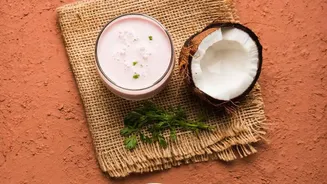
The first secret to that signature creaminess lies in the choice of coconut. While canned coconut milk is a convenient substitute, traditional Konkani recipes almost always call for freshly grated mature coconut. Fresh coconut flesh is packed with natural oils and fats. When it is ground with a little water, it creates a rich, full-bodied milk that is far superior in texture and taste. This 'first-press' coconut milk is an emulsion of coconut oil and water, held together by proteins naturally present in the fruit. This results in a mouthfeel that is simultaneously opulent and clean, without the heaviness that dairy can sometimes impart.
The Art of the 'Vatan'
The heart of many Konkani and Maharashtrian curries is a meticulously prepared paste known as 'vatan', which literally means 'that which is ground'. This isn't just a mix of spices; it’s the primary texture and flavour base of the gravy. The vatan for a creamy curry typically involves grinding fresh coconut with a variety of other ingredients until it forms a very fine, smooth paste. This process is crucial. A coarse grind results in a thin, separated curry, while a silky-smooth paste ensures that the fats and solids are perfectly emulsified, creating a stable, homogenous gravy that feels incredibly creamy on the palate.
Allies in Creaminess
Coconut doesn't work alone. Konkani cooks masterfully blend it with other natural thickening and flavouring agents. Ground nuts and seeds are common additions that lend both body and richness. A small amount of soaked cashews, poppy seeds (khus khus), or even melon seeds can be ground into the vatan. These ingredients not only enhance the creamy texture but also contribute their own subtle, nutty flavours, adding layers of complexity to the final dish. In some preparations, roasted onions or even a small amount of cooked lentils (dal) are incorporated into the paste to provide further thickness and a comforting, hearty quality.
Gentle Heat is Key
The final piece of the puzzle is technique. Once the vatan is prepared and added to the pan, the cooking process is gentle and deliberate. Bringing a coconut-based curry to a rolling boil is a cardinal sin, as aggressive heat can cause the delicate emulsion to break or 'split'. This separates the fat from the water, resulting in a greasy, curdled texture. Instead, the curry is brought to a slow, patient simmer. This gentle heat allows the gravy to thicken naturally as excess water evaporates, the flavours of the spices to meld beautifully, and the starches from any added nuts or seeds to work their magic, all while preserving that perfectly smooth, creamy consistency.