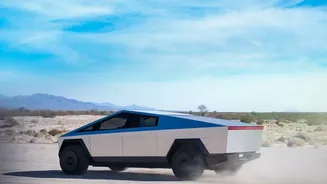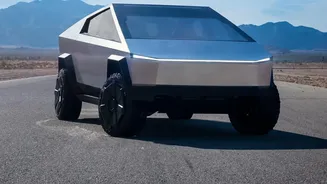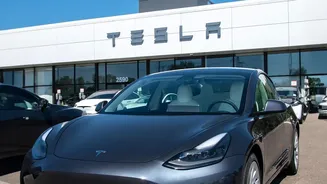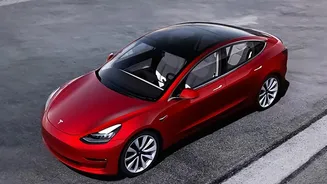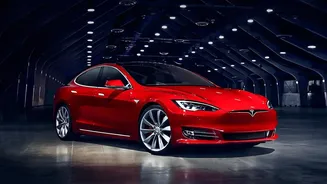


It's the end of the road for one of the most polarizing vehicles ever built. Tesla is officially winding down production of the Cybertruck, setting a mid-2027 end date for the futuristic pickup that has dominated headlines since its 2019 reveal.
The Official Timetable
In a post
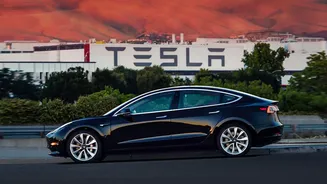
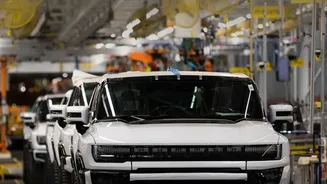
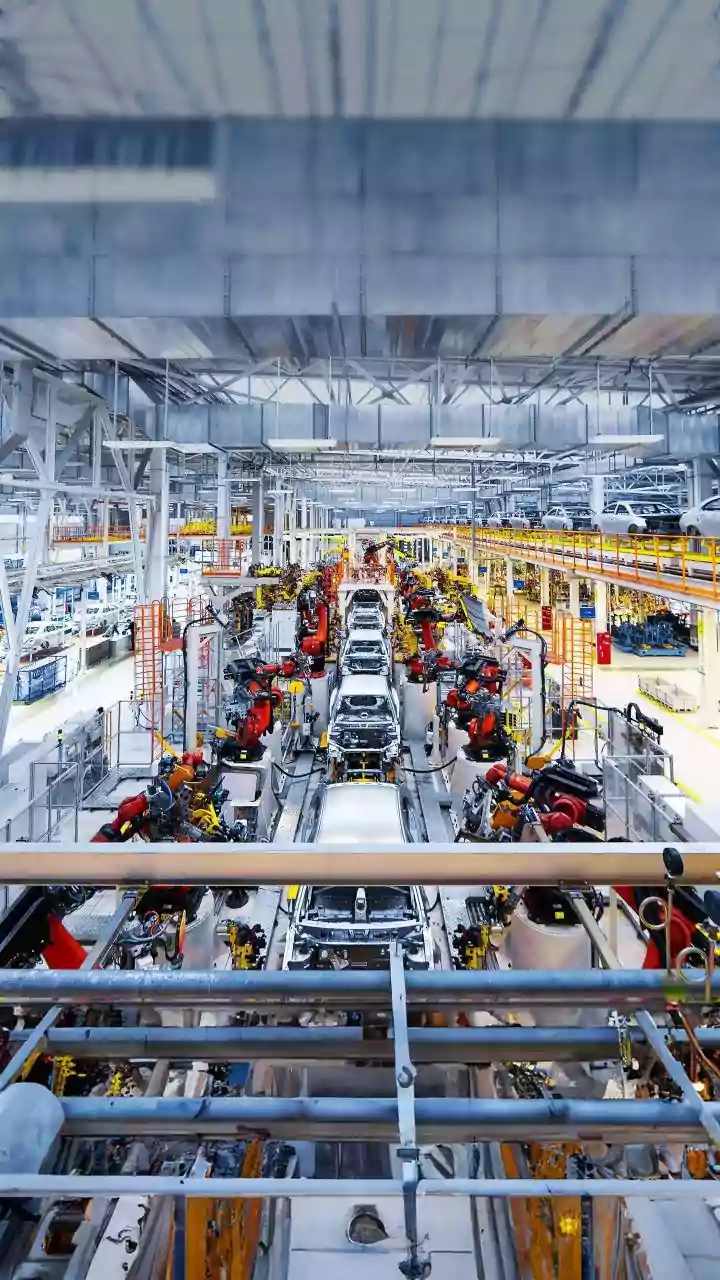
on his social media platform X, CEO Elon Musk announced that Tesla will begin winding down production of the Cybertruck at its Gigafactory in Texas around the middle of 2027. The move is not a gradual slowdown but a strategic reallocation of resources. The company plans to use the factory space to ramp up production of the 'Cybercab', a two-seater autonomous vehicle central to Tesla's robotaxi ambitions. This decision effectively marks the end of the Cybertruck's production run at its only manufacturing site, though Musk noted the existing 'Cybertruck fleet will be around for a long time'.
A History of Missed Targets
The decision follows years of disappointing sales that never came close to Musk's initial bold predictions. At its launch, Musk projected that Tesla could sell between 250,000 to 500,000 units annually. However, the reality was starkly different. After finally beginning customer deliveries in late 2023, sales peaked in 2024 at an estimated 38,965 units before falling by nearly 48% to just 20,237 units in 2025. The sales decline continued into 2026, with the truck failing to capture the mass market needed to justify its complex and expensive manufacturing process. Even before sales began, Musk himself acknowledged the immense difficulty, stating, 'We dug our own grave with Cybertruck'.
Plagued by Problems
Beyond the weak sales figures, the Cybertruck has been beset by a series of quality control issues and safety recalls. Since its launch, the vehicle has been subject to at least 11 recalls. These have ranged from accelerator pedals that could become trapped, to exterior body panels detaching at high speeds, and issues with brake components. The truck's unconventional stainless-steel exoskeleton, while visually striking, proved to be a manufacturing challenge and also contributed to it failing to meet safety standards for sale in markets like Europe.
A Strategic Pivot to Autonomy
The end of the Cybertruck is less about the failure of a single product and more about Tesla's larger strategic shift. Musk has made it clear that he sees the company's future in artificial intelligence, robotics, and autonomous vehicles, not just in selling electric cars to consumers. By freeing up production capacity at the Texas Gigafactory, Tesla can accelerate its work on the Cybercab and the Optimus humanoid robot. The company has already begun offering paid rides in its robotaxi fleet in Austin, signalling that this is where its focus now lies. This move positions Tesla to compete in the nascent autonomous ride-hailing market, which Musk believes is the key to the company's long-term growth.