
More Than Just a Drink
To call chai just a 'drink' in India is a massive understatement. It is a ritual, a social lubricant, and an emotional anchor. From the bustling 'cutting chai' stalls of Mumbai to the serene tea gardens of Darjeeling, tea is a constant presence. It’s
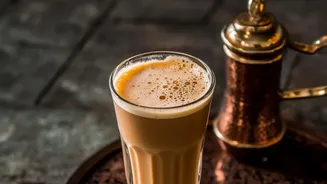
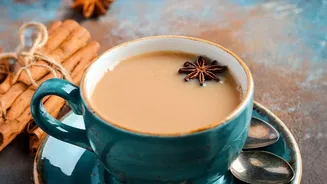
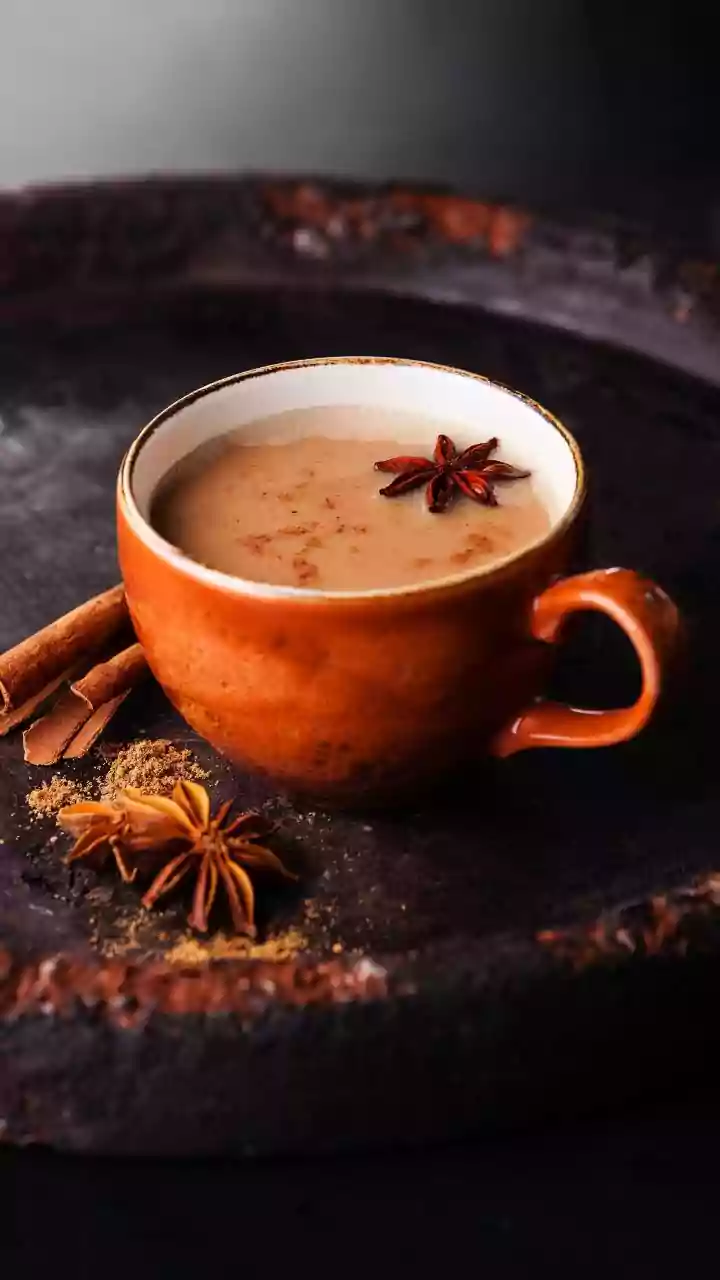
the default offering of hospitality in any home, a gesture of warmth that transcends social and economic divides. Business deals are sealed over it, friendships are deepened, and daily news is dissected at street-corner 'chaiwalas'. While its history is complex—popularized on a mass scale during British rule to break China's tea monopoly—India has wholly transformed tea into its own cultural icon. The British may have introduced it, but it was Indians who perfected it into masala chai by adding milk, sugar, and a symphony of spices like cardamom, ginger, and cloves, making it uniquely our own.
The Ultimate Culinary Connector
The strongest argument for tea's place in food conversations is its inseparable relationship with snacks. The pairing is not incidental; it is fundamental to the experience. Think of a rainy afternoon without the classic combination of chai and hot pakoras, or an evening adda without samosas and tea. It feels incomplete. The robust, spicy, and milky profile of a well-made masala chai is the perfect counterpart to the savoury, often fried, snacks that dominate Indian street food. Its warmth cuts through the richness of a samosa, its spices complement the savoury filling, and it cleanses the palate after a bite of a buttery pav bhaji. This isn't just a beverage served alongside food; it’s a culinary partner that balances and elevates the entire gastronomic experience.
A Unifying Culinary Thread
While masala chai is the most famous version, India’s tea culture is incredibly diverse, mirroring its linguistic and culinary plurality. In Kashmir, there's the delicate, saffron-infused green tea known as Kahwa. In parts of southern India, a strong, milky tea without spices is preferred. This regional diversity showcases how deeply tea is integrated into local food habits, adapting to different climates and palates. It is the one constant in a country of countless cuisines. Whether it's a festival like Diwali or a simple family gathering, chai is the thread that brings people together, fostering a sense of community and shared experience. It’s a symbol of unity and togetherness in a nation of astounding diversity.
Why Is It Overlooked?
Perhaps tea's greatest strength is also the reason for its culinary invisibility: its ubiquity. Like rice or roti, chai is so fundamental and ever-present that it's taken for granted. We don’t often discuss the foundational elements of our diet because they are simply always there. It’s an affordable, accessible comfort that is prepared in every kitchen and sold on every street corner. Because it is so ingrained in our daily routine, it becomes part of the background noise of life rather than an active subject of culinary appreciation. We analyze the complexities of a biryani or the balance of a dal, but the humble cup of chai that often accompanies them is rarely given the same consideration. Its very commonness makes it invisible in plain sight.