






A Perfect Storm for Bullion
The remarkable 30% jump in gold sales volume wasn't a random event but the result of several powerful factors aligning perfectly. According to the India Bullion and Jewellers Association (IBJA), consumers purchased a massive 52 tonnes of gold, valued
at approximately ₹72,000 crore, during the festive window. This surge signals a strong revival in consumer sentiment and offers clues about economic confidence, investment habits, and the enduring cultural significance of the yellow metal in India. A combination of a timely price dip, pent-up demand, and the approaching wedding season created a 'perfect storm' for jewellers across the country.
Price Correction Unlocks Demand
Perhaps the single biggest driver was a welcome correction in gold prices. After hitting a peak of around ₹1.8 lakh per 10 grams earlier in the year, prices moderated to approximately ₹1.42 lakh during the festive period. This dip was the signal many buyers had been waiting for. Consumers who had hesitated due to record-high prices saw an attractive entry point. The correction not only spurred immediate festive purchases but also unlocked pent-up demand from those who had postponed buying. Many customers decided to act on the belief that prices might rise again, turning a price dip into a major sales driver.
The Wedding Season Multiplier
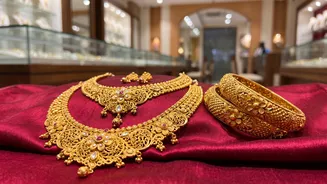
The timing of the festivals could not have been better for jewellers. With Dhanteras and Diwali falling in early November, the buying season coincided with the start of the peak wedding season, which traditionally begins in mid-November and lasts for several months. A significant portion of the festive sales was attributed to advance purchases for upcoming weddings. Families often use the auspicious occasion of Dhanteras to buy the jewellery required for bridal trousseaus and wedding gifts, effectively front-loading their purchases and amplifying the festive sales figures.
Shifting Consumer Preferences
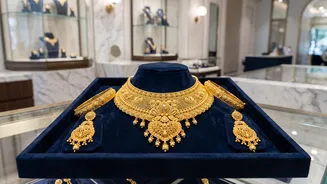
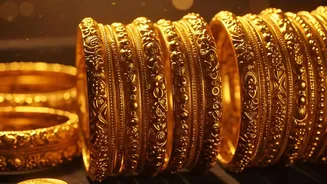
While the overall sales volume was high, what people bought revealed a shift in consumer behaviour. Faced with prices that were still elevated compared to previous years, many buyers gravitated towards lightweight and lower-carat jewellery. Jewellers reported strong demand for 14-carat and 18-carat gold items, which offer a more affordable way to own the precious metal. This trend allowed consumers to stick to their budgets without forgoing the tradition of buying gold. Alongside jewellery, investment-focused products like gold coins and bars also saw robust sales, highlighting gold's dual role as both a cultural adornment and a trusted financial asset.
Early Salaries and Economic Sentiment
The festival calendar also provided a practical boost. With Diwali falling at the beginning of the month, many salaried individuals had recently received their pay and potential festive bonuses, ensuring healthy cash flow in the market. This liquidity encouraged enthusiastic spending. More broadly, the strong sales figures are being interpreted as a sign of reviving economic sentiment. After a period of cautious spending and a 50% decline in gold sales by volume earlier in the fiscal year, this festive surge suggests that consumers, particularly in urban centres, are feeling more confident about their financial situation and are willing to make significant discretionary purchases once again.