







1. Go Native: Choose Local Heroes
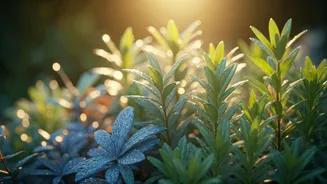
The single most impactful shift you can make is to embrace native plants. These are the species that have evolved for millennia in your specific climate. Think flowering plants like marigold (genda), jasmine (mogra), and hibiscus, or hardy herbs like tulsi
and curry leaves. Why are they better? They are naturally resistant to local pests and diseases, require significantly less water, and thrive in the local soil without needing constant attention. By planting native species, you're not just creating a beautiful garden; you're also creating a welcoming habitat for local pollinators like bees and butterflies, restoring a small piece of the natural ecosystem in your own space. Forget the fussy, imported plants that struggle in the Indian heat; local is truly beautiful and smart.
2. Make 'Black Gold': Compost Your Waste
Every day, our kitchens produce a wealth of organic waste—vegetable peels, fruit scraps, tea leaves, and coffee grounds. Instead of sending this to a landfill, you can easily turn it into 'black gold', or compost. Composting is the process of decomposing organic matter into a nutrient-rich soil conditioner. For apartment dwellers, compact solutions like vermicomposting (using earthworms) or Bokashi (a fermentation method) are perfect. This isn't just about reducing waste; it's about creating a free, all-natural fertilizer that will make your plants healthier and more productive than any chemical alternative. It closes the loop, turning 'waste' from your kitchen into food for your garden.
3. Water Wisely: Every Drop Counts
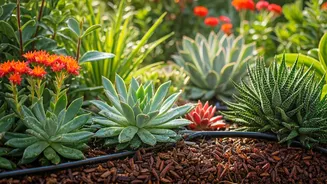
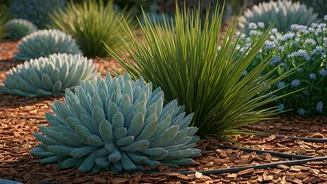
In a water-scarce country like India, sustainable gardening means being extremely mindful of water usage. The old way of flooding plants with a hose is wasteful. Instead, adopt smarter techniques. Water your plants early in the morning or late in the evening to reduce evaporation. Water the soil, not the leaves, to ensure the moisture gets to the roots where it's needed most. A simple yet highly effective technique is mulching. Covering the topsoil with a layer of organic material like dried leaves, straw, or wood chips helps retain moisture, suppresses weed growth, and keeps the soil cool. For larger gardens, investing in a drip irrigation system can save up to 70% of water compared to traditional methods.
4. Ditch the Chemicals: Work with Nature
A healthy garden is a balanced ecosystem, not a sterile environment. Chemical pesticides and fertilizers can harm beneficial insects, contaminate soil and water, and pose risks to your family and pets. The sustainable approach is to work with nature. Companion planting, for instance, is an age-old technique where you plant certain species together to deter pests. Planting marigolds near your tomatoes can repel nematodes, while planting garlic or onions can ward off aphids. For pest outbreaks, use natural solutions like a neem oil spray or a simple soap-and-water solution. A healthy soil rich in compost will produce strong plants that are naturally more resilient to pests and diseases, reducing the need for intervention.
5. Grow What You Eat: The Urban Farm
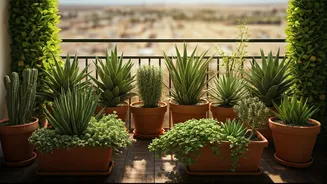
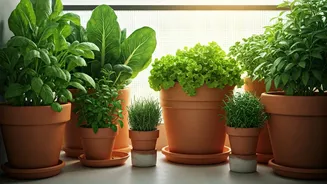
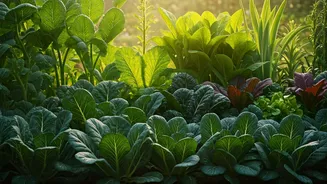
One of the most rewarding aspects of sustainable gardening is growing your own food. Even a small balcony can become a productive mini-farm. Start simple with herbs that are easy to grow in pots, like mint (pudina), coriander (dhania), and chillies. From there, you can graduate to vegetables like tomatoes, brinjal, okra (bhindi), and various gourds, which do exceptionally well in the Indian sun. Growing your own food gives you access to the freshest, most nutritious, and pesticide-free produce imaginable. It reduces your carbon footprint by eliminating 'food miles' and reconnects you with the source of your nourishment. There is nothing quite like the taste of a tomato picked fresh from your own plant.