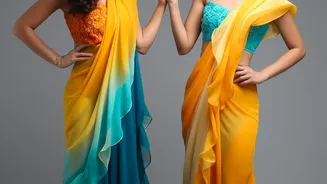




A Tapestry of Tradition and Trend
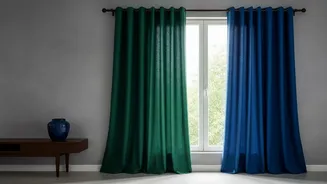
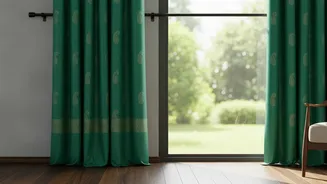
The practice of upcycling is deeply ingrained in Indian households, born from a mindset of resourcefulness and respect for materials. Today, this tradition is finding a chic, modern expression in home decor. Transforming a vintage saree into curtains
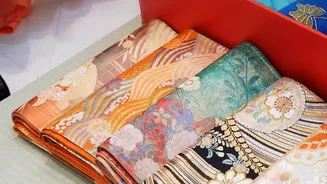
is more than just recycling; it's an act of preserving memories and craftsmanship. Each saree, whether a wedding Banarasi or a breezy summer cotton, carries a personal history. When hung as a drape, it infuses a room with not just colour and pattern, but with a story, creating a space that is deeply personal, stylish, and sustainable.
Why Vintage Silk Sarees Work Wonders
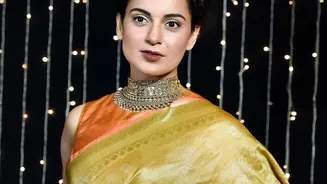
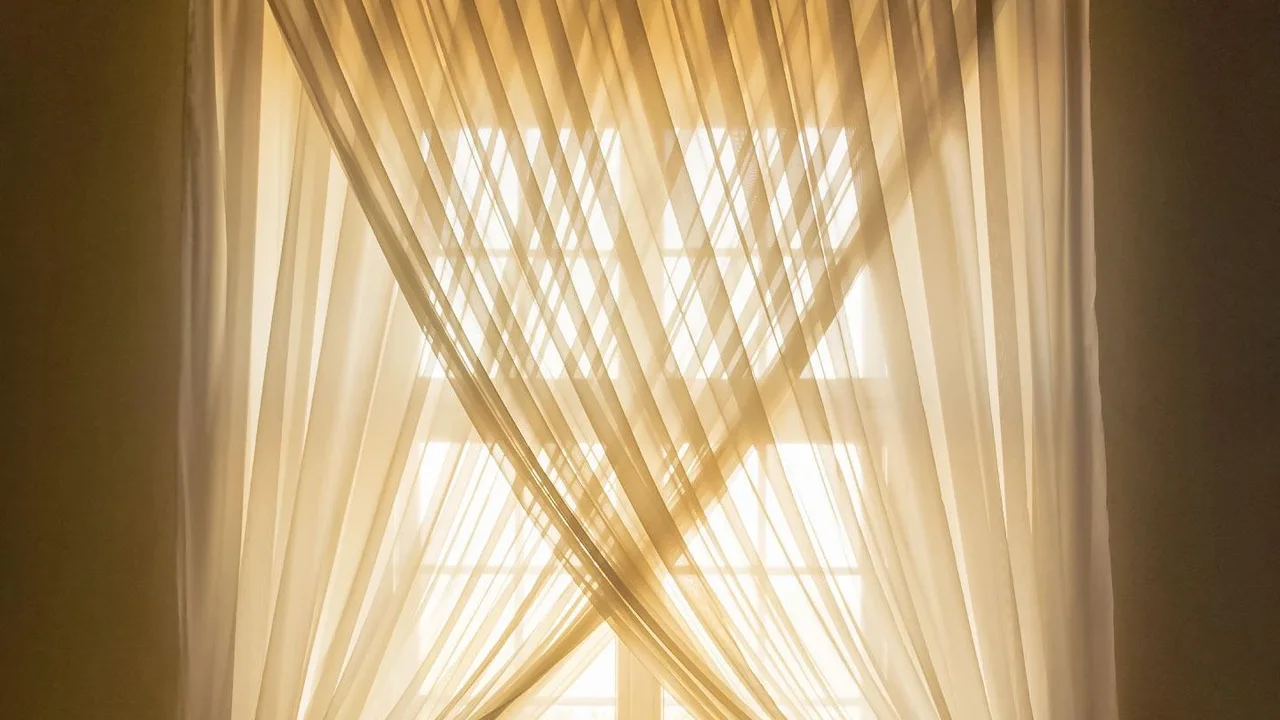
While many fabrics can be used, vintage silk sarees are particularly well-suited for becoming drapes. Silk is one of the strongest natural fibres, making it durable and long-lasting when cared for properly. Its natural composition gives it a beautiful, subtle lustre that catches and reflects light, adding a gentle glow to any room. Most importantly, silk has an unparalleled drape; it hangs in soft, elegant folds that create a sense of luxury and sophistication. Heavier silks like Kanjivaram or Banarasi offer richness and formality, while lighter silks, georgettes, and chiffons create a sheer, airy effect.
Choosing the Perfect Saree
Not every old saree is a candidate for upcycling into drapes. The first step is to inspect the fabric's condition. Avoid sarees that are brittle or have significant tears in the main body. Minor flaws, however, can often be worked around. Look for vibrant colours and timeless patterns—florals, geometrics, or traditional motifs—that complement your existing decor. Consider the weight of the fabric and how much light you want to filter. Lighter sarees like cotton or chiffon will let more light through, creating a bright, breezy feel, while heavy silks provide more privacy and a sense of opulence.
The Transformation: DIY or Designer?
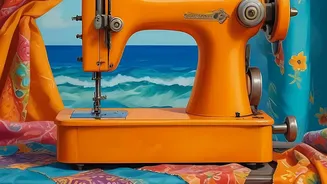
Once you have your saree, you have two paths: do it yourself or hire a professional. For a DIY approach, the process is relatively straightforward if you have basic sewing skills. You'll need to measure your window, decide on the length, and sew a channel or loops at the top for the curtain rod. It is highly recommended to add a cotton lining to the back. This protects the delicate silk from sun damage and adds weight, helping the curtain hang better. For those who prefer a flawless finish or are using a particularly treasured heirloom, many local tailors and boutique designers now offer services to professionally convert sarees into home furnishings.
Styling Your Saree Drapes
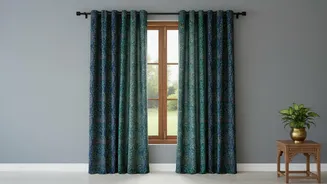
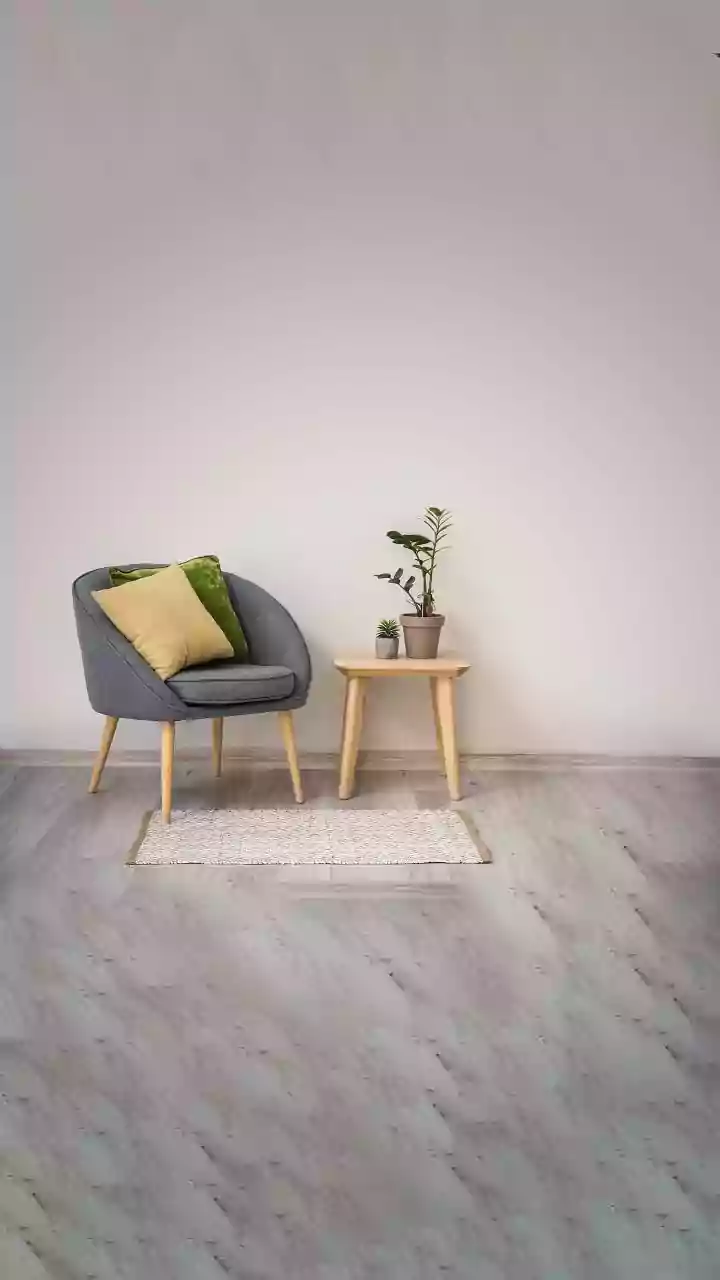
Upcycled saree curtains can be a bold statement piece. To integrate them seamlessly into a modern home, balance is key. If the saree is brightly coloured or has a complex pattern, pair it with neutral walls and minimalist furniture to let the drapes be the star. The intricate 'pallu' or border can be strategically featured at the top or bottom for maximum impact. You can also use leftover fabric to create matching cushion covers or a table runner, tying the whole room together with a cohesive, bespoke theme. This approach ensures the final look is intentional, chic, and thoughtfully curated.