



The Psychology of Small Changes
The 'all or nothing' approach to dieting is a common trap. When we make sudden, restrictive changes, we often feel deprived, which can lead to burnout and a quick return to old habits. Lasting change is more likely to come from small, incremental adjustments
that become ingrained over time. Instead of viewing healthy eating as a temporary, difficult task, the goal is to build a new routine that feels manageable and sustainable. Psychologically, achieving small, consistent wins is more motivating than failing at an overly ambitious goal. This approach allows your taste buds and habits to adapt gradually, making the transition feel less like a shock to the system and more like a natural evolution of your lifestyle.
Understanding Your Grains: Whole vs. Refined
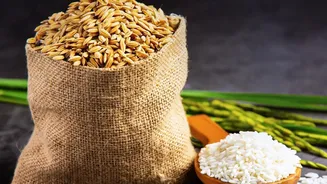
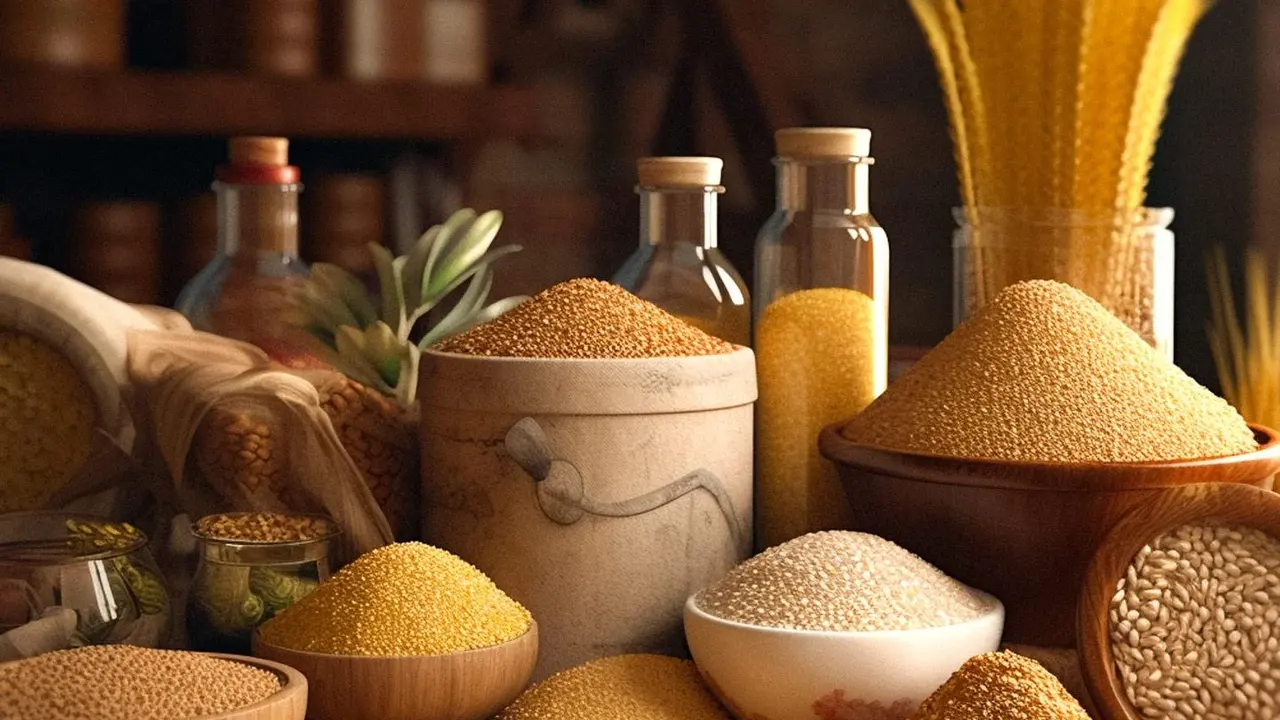
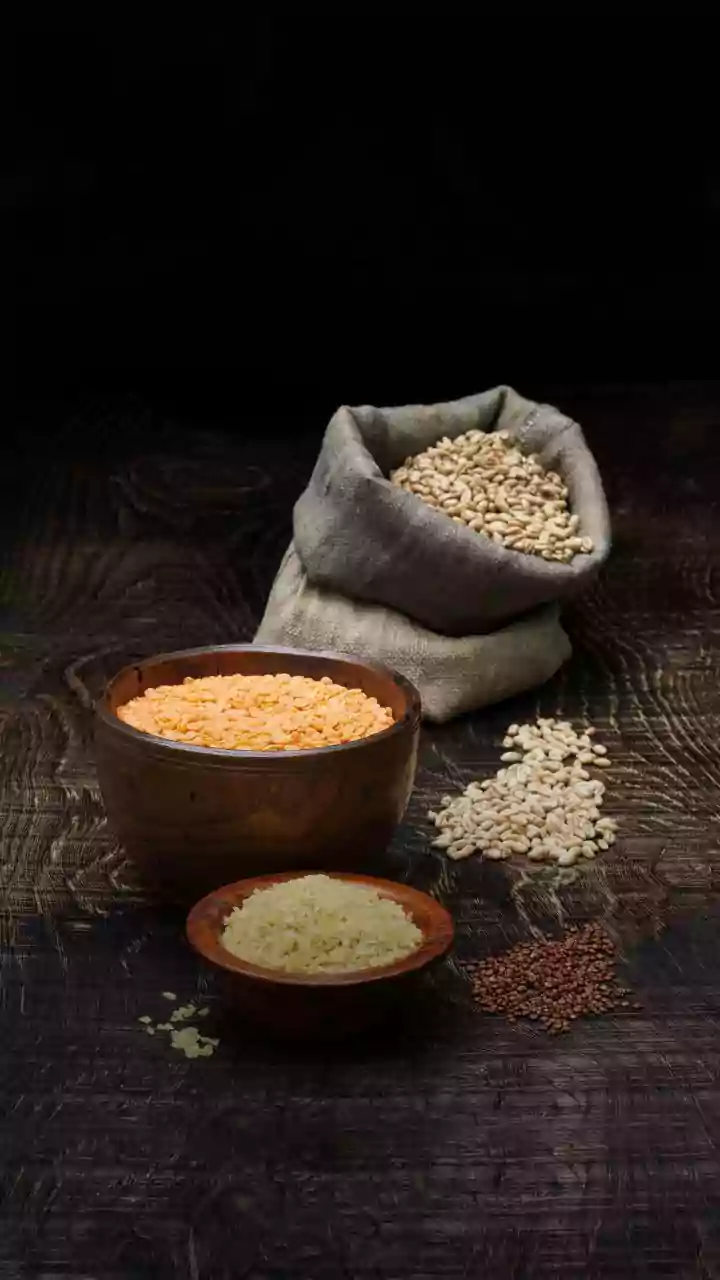
Grains are divided into two main groups: whole and refined. A whole grain contains all three parts of the kernel—the bran, germ, and endosperm—which together provide fibre, vitamins, minerals, and antioxidants. Examples include brown rice, whole-wheat flour, oats, barley, and traditional Indian millets like jowar and bajra. Refined grains, such as white flour, white bread, and white rice, have had the bran and germ removed. This process strips away most of the fibre and nutrients, leaving behind mostly starch. While refined grains provide energy, they lack the rich nutritional profile of their whole counterparts and can lead to spikes in blood sugar.
Your First Simple Swaps
Starting your journey doesn't have to be complicated. The key is to 'mix, not swap' in the beginning. Instead of eliminating refined grains entirely, begin by substituting half. For instance, when making rice, use a 50/50 mix of brown and white rice. If you're having a sandwich, use one slice of whole-wheat bread and one slice of white. For rotis and parathas, you can start by blending one part jowar or bajra flour with two parts of your regular wheat flour. Even in baking, you can substitute up to half the refined flour in recipes for things like pancakes or muffins with a whole-grain version. These small compromises make the new textures and flavours more approachable.
Expanding Your Grain Horizons
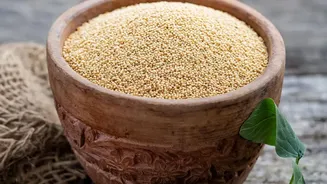
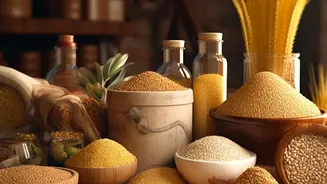
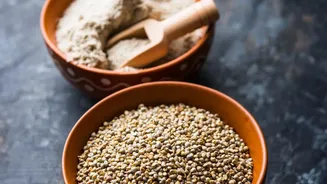
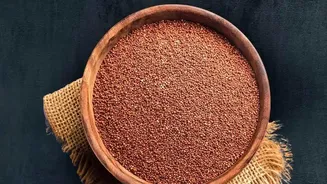
Once you're comfortable with the initial swaps, it's time to get more adventurous. India has a rich heritage of millets that are packed with nutrition. Jowar (sorghum) is a versatile, neutral-tasting millet that can be used year-round. Bajra (pearl millet) has a stronger flavour and is great for winter rotis and khichdi. Ragi (finger millet) has an earthy taste and works well in porridge, dosas, and idlis. Beyond millets, consider other whole grains like quinoa in salads, barley in soups and stews, or a warm bowl of oatmeal for breakfast. Cooking a large batch of a grain like barley or quinoa at the start of the week can save time and make it easy to add to meals later.
Becoming a Savvy Shopper
Navigating the grocery store can be tricky. Food labels like 'multi-grain,' 'stone-ground,' or '100% wheat' do not guarantee the product is whole grain. The most reliable way to know is to read the ingredients list. Look for the word 'whole' before the name of the grain, such as 'whole wheat flour' or 'whole-grain cornmeal'. The whole-grain ingredient should be the first one listed. When it comes to fibre, check the Nutrition Facts label. A 'good source' of fibre contains 10-19% of the daily value, while an 'excellent source' contains 20% or more.
Long-Term Wins for Your Health
These gradual changes add up to significant health benefits. A diet rich in whole grains is linked to a reduced risk of chronic conditions like heart disease, stroke, and type 2 diabetes. The high fibre content aids digestion, helps maintain stable blood sugar levels, and keeps you feeling full for longer, which can assist with weight management. Nutrients found in whole grains, such as B vitamins, iron, and magnesium, support everything from your energy levels to your immune system. By focusing on slow and steady integration, you are investing in a healthier future, one meal at a time.