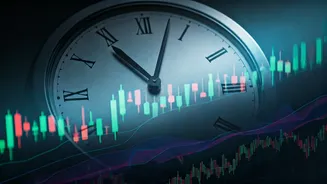









The Trap of Short-Term Thinking
In the age of instant notifications and minute-by-minute market updates, it's easy to get caught up in the noise. The financial media often glorifies the 'multibagger' stock that shot up overnight, creating a perception that investing is a high-speed
race. However, this is a dangerous illusion. Chasing quick profits often leads to emotional decision-making—buying high out of FOMO (fear of missing out) and selling low during a panic. This approach, known as trading rather than investing, is fraught with high transaction costs, taxes, and immense stress. Smart investors understand that the market's daily mood swings are largely unpredictable and that trying to time it perfectly is a fool's errand. They sidestep the frenzy by focusing on a horizon that stretches years, not hours.
The Power of Patience and Compounding
The most powerful force in finance isn't a complex algorithm; it's the simple magic of compounding. Albert Einstein supposedly called it the eighth wonder of the world. Compounding is the process where your investment returns start generating their own returns. The longer your money stays invested, the more powerful this effect becomes. A small, consistent investment can grow into a substantial corpus over decades. This requires patience, a quality often overlooked in the quest for fast money. Smart investors treat time as their greatest asset. They aren't rattled by temporary downturns because they know that their wealth isn't being built today or tomorrow, but over a lifetime. They prioritise 'time in the market' over 'timing the market', allowing the slow, steady engine of compounding to do the heavy lifting.
Investing with an Owner's Mindset
Legendary investor Warren Buffett famously advises, "If you aren't willing to own a stock for 10 years, don't even think about owning it for 10 minutes." This encapsulates the shift from being a stock 'player' to a business 'owner'. Instead of just looking at a ticker symbol and its price movement, savvy investors dig deeper. They study the company's fundamentals: its leadership, its competitive advantage, its debt levels, and its long-term growth prospects. They ask, "Is this a business I would want to own outright? Is it built to last?" This mindset fundamentally changes the investment calculus. A market dip isn't a catastrophe; it’s an opportunity to buy a stake in a great company at a discount. This focus on intrinsic value provides a stable anchor in the turbulent seas of market sentiment.
Aligning Profits with Purpose
A growing number of investors are realising that returns aren't just measured in rupees. The rise of ESG (Environmental, Social, and Governance) investing shows a significant shift towards backing companies that are not only profitable but also responsible. This isn't charity; it's a pragmatic strategy. Companies with strong ESG practices are often better managed, more resilient to regulatory and reputational risks, and more innovative. They are better prepared for long-term challenges like climate change, supply chain disruptions, and changing consumer preferences. By considering these non-financial factors, investors are building portfolios that are not only aligned with their personal values but are also potentially more durable and sustainable in the long run. They are investing in the kind of future they want to see, believing that good ethics can lead to good economics.