

The Disappearing 'Guest-Only' Zone
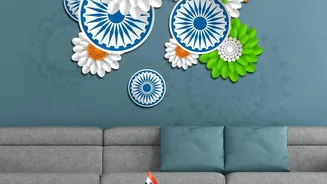
Remember the room with the plastic-covered sofa and the rule, “Don’t sit there, guests are coming”? That space, the formal drawing room, was long a staple of Indian homes, a pristine chamber designed to impress visitors. It was a symbol of status, featuring
imposing furniture and vast, empty floors that spoke of affluence. Historically, this concept of a formal room for visitors was a colonial import, as traditional Indian homes featured more flexible, multifunctional courtyards and verandas for social interaction. Today, however, homeowners are questioning the need for a room that sits unused most of the time. This shift is driven by changing family structures, smaller urban homes, and a move towards more informal lifestyles where comfort for the inhabitants trumps performative grandeur for the occasional guest.
The Rise of the Multi-Functional Hub
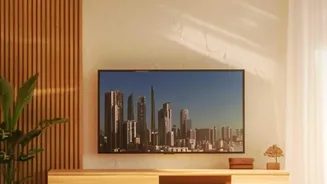
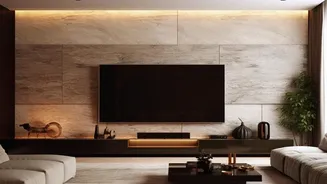
The COVID-19 pandemic accelerated a trend that was already underway: the transformation of the home into a space for everything. The living room is no longer just for receiving guests; it's now an office, a classroom, a gym, a movie theatre, and a family gathering spot all rolled into one. This increased time spent at home has made people realise the importance of spaces that are adaptable and serve daily needs. As a result, there is a rising demand for flexible design, including modular furniture, movable partitions, and smart storage solutions that allow a single room to serve multiple purposes without feeling cluttered. The living room has evolved from a static showroom into the dynamic epicentre of everyday life.
Comfort, Curves, and Character
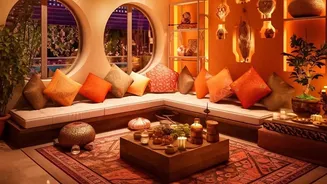
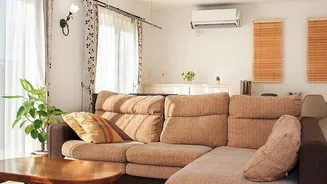
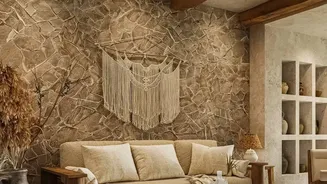
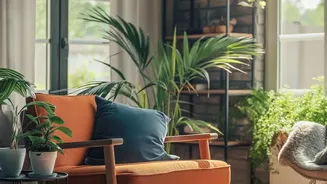
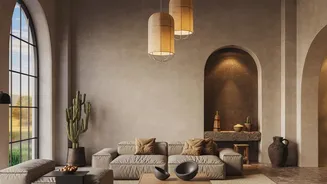
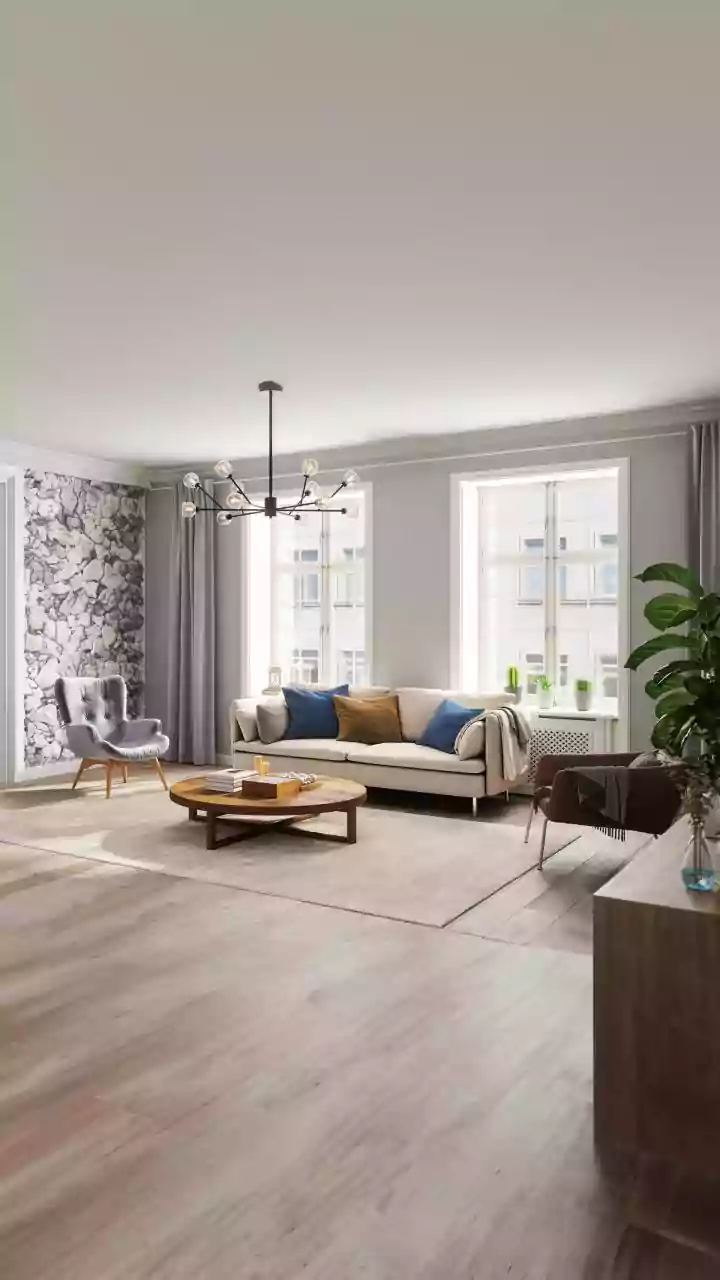
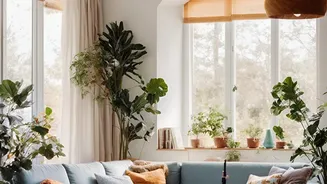
This new philosophy is reflected in the aesthetics of the modern Indian living room. Stark, showroom-perfect looks are being replaced by warmer, more personal, and tactile environments. Homeowners are embracing earthy and warm neutral tones like beige, terracotta, and olive green over the cool greys that once dominated. Sharp, boxy furniture is giving way to softer silhouettes with curves and rounded edges, which make a room feel less rigid and more welcoming. There is also a renewed appreciation for natural and handcrafted materials like solid wood, cane, and rattan, which add warmth and character. The focus has shifted from high-gloss finishes to materials that age beautifully and tell a story, reflecting a desire for authenticity over sterile perfection.
A New Definition of Luxury
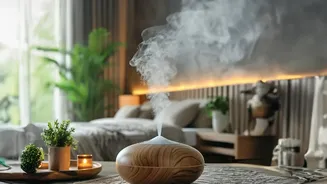
The shift away from display-first grandeur signals a deeper change in what is considered luxurious. Today, luxury is less about sheer size or ornate decoration and more about how beautifully and thoughtfully a space is used. It's about 'quiet luxury'—refined furniture, high-quality materials, and a sense of intentionality. Instead of a room designed to shout status, the new aspiration is a home that supports well-being. Homeowners are prioritising spaces that offer emotional comfort and a sense of calm, such as cosy reading nooks, serene balconies, and corners dedicated to personal hobbies. This redefinition of status suggests that the ultimate luxury is no longer impressing others, but creating a personal sanctuary that reflects and enriches your own life.