




The Garden That Fits Anywhere
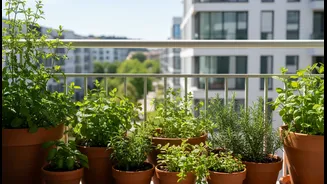
The primary hurdle for any aspiring urban gardener is space. When a balcony or terrace isn't an option, the windowsill becomes prime real estate, quickly cluttered with pots. Hydroponics elegantly sidesteps this issue. By growing plants in nutrient-rich
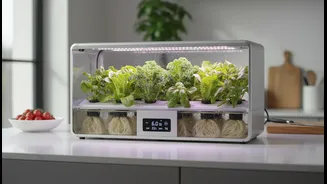
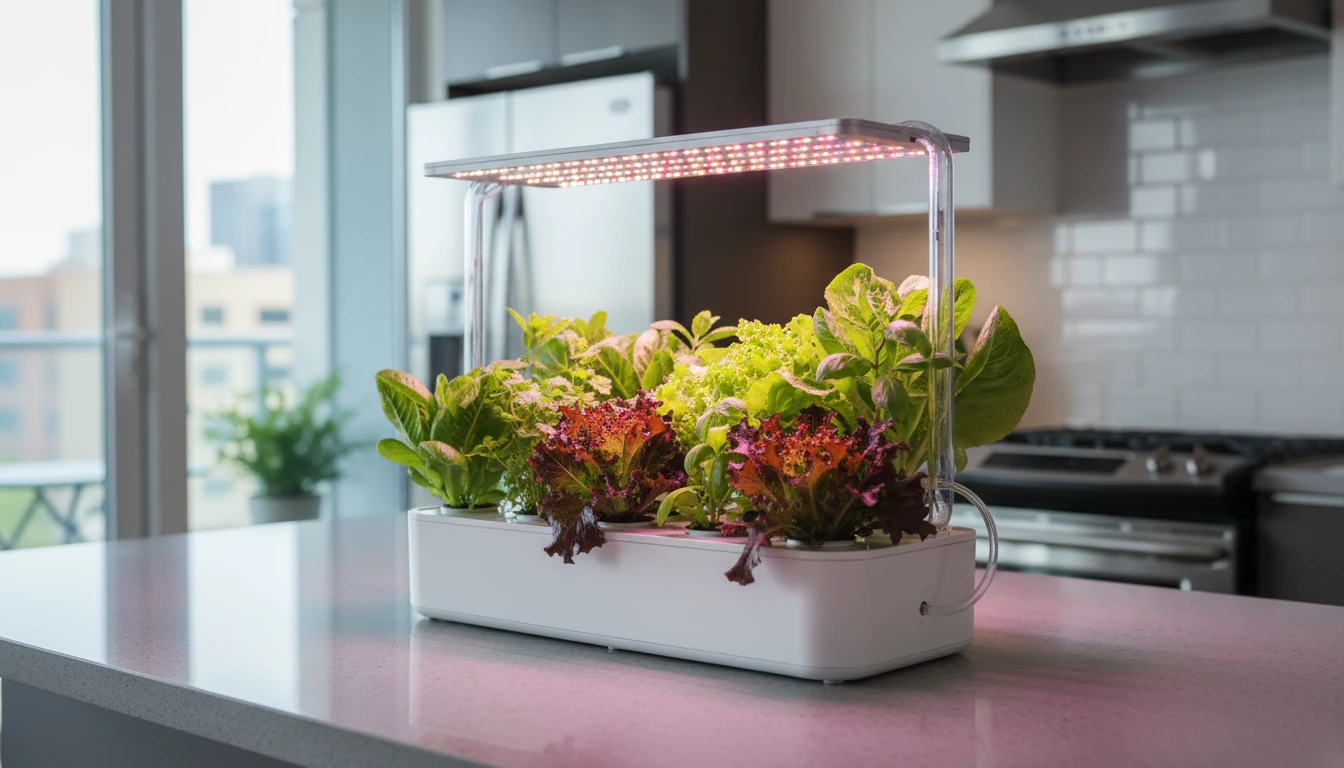
water instead of soil, these systems can be incredibly compact and efficient. Vertical towers, which stack plants upwards, can grow more than 20 plants in just a couple of square feet of floor space. Countertop models are designed to be as unobtrusive as a coffee machine. This space-saving design is a game-changer for apartments in bustling Indian metros, where every square inch counts. It’s no longer about finding space for a garden; it’s about a garden designed specifically for your space.
A Craving for Freshness and Control
Beyond the logistics of space, a deeper motivation is the growing desire for fresh, clean food. Concerns over pesticides, long supply chains, and the nutritional value of store-bought produce have many people looking for alternatives. An indoor hydroponic garden offers complete control over the growing process. It allows you to harvest herbs, leafy greens, and even cherry tomatoes moments before you eat them, ensuring maximum freshness and flavour. This ability to grow your own produce year-round, without worrying about weather or soil quality, provides a powerful sense of food security and self-sufficiency. Knowing exactly what goes into your food—and what doesn't—is a luxury that these systems now make accessible.
Technology Makes It Surprisingly Simple
The word 'hydroponics' might sound technically intimidating, but modern systems are designed for absolute beginners. Many are 'plug-and-play' devices that automate the most difficult parts of gardening. Built-in, full-spectrum LED lights provide the perfect 'sunlight' on a timer, while automated pumps circulate water and nutrients to the plant roots. Some high-end models even connect to smartphone apps that monitor water levels and tell you exactly when to add more nutrients. This removes the guesswork and unpredictability that can make traditional indoor gardening frustrating. Instead of worrying about overwatering, underwatering, or pests, the system handles the core needs of the plant, often resulting in growth that is 30-50% faster than in soil.
More Than Just Food, It's Wellness
The benefits extend far beyond the dinner plate. The simple act of nurturing plants has been shown to have significant mental health benefits, reducing stress, anxiety, and depression. In the concrete-dominated landscape of a city, having a vibrant green corner in your home provides a vital connection to nature. The daily ritual of checking on your plants, watching them grow, and anticipating a harvest can become a form of mindfulness. These sleek, modern systems also double as a unique piece of living decor, with the gentle hum of the water pump and the glow of the grow lights adding a calming ambiance to a room. It's a hobby that nourishes both the body and the mind.
What to Know Before You Start
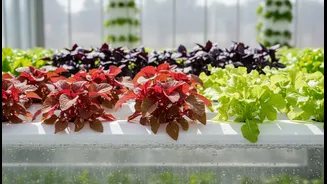
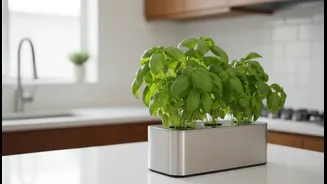
While the process is simplified, it's not entirely hands-off. These systems require an initial investment, with prices ranging from a few thousand rupees for a basic kit to much more for large, app-integrated towers. There are also minimal ongoing costs for nutrients and occasionally replacing grow mediums. The systems need to be cleaned every few weeks to prevent algae growth and ensure the pump runs smoothly. It's also wise to start with plants that are known to thrive in hydroponics, such as lettuce, basil, mint, and other leafy greens. While it's possible to grow fruiting plants like strawberries and peppers, they can be more challenging for beginners. Root vegetables like potatoes and carrots are generally not suitable for these home systems.