

The Nutritional Power of Millets
For generations, snacks like samosas, pakoras, and chaklis have been made with refined flour (maida) or rice flour. While delicious, these ingredients are often low in nutrients and high on the glycemic index. Millets, such as ragi (finger millet), jowar
(sorghum), and bajra (pearl millet), offer a powerful alternative. They are naturally rich in dietary fibre, protein, and essential minerals like iron and magnesium. This high fibre content aids digestion and promotes a feeling of fullness, helping to curb overeating. Unlike refined grains that can cause sharp spikes in blood sugar, the complex carbohydrates in millets provide a slower, more sustained release of energy.
Reinventing Chakli and Murukku
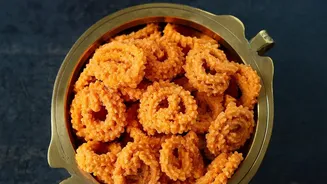
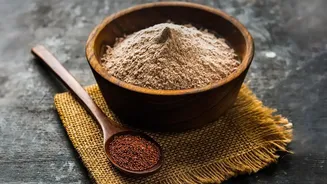
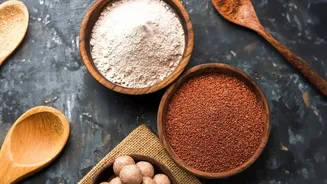
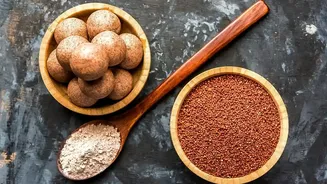
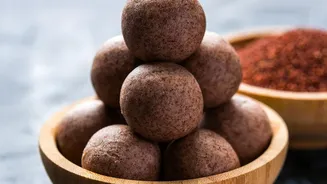
The quintessential festival snack, chakli (or murukku), is traditionally made from rice flour, giving it a signature crunch. An innovative switch is to use millet flour, either on its own or as a blend. Ragi flour, for instance, imparts a deep, earthy flavour and a beautiful dark colour to the snack. To achieve that perfect crispy texture, recipes often call for a binding agent like gram flour (besan) and the addition of hot oil or butter to the dough. The result is a murukku that is not only crunchier but also significantly more nutritious, turning a festive indulgence into a wholesome treat.
A Healthier, Heartier Samosa
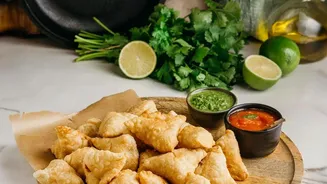
The golden, triangular delight of a samosa is hard to resist, but its refined flour pastry is a common concern. Crafting a healthier version is simpler than you might think. By creating a dough that blends millet flour—like jowar or ragi—with whole wheat flour, you can create a more robust and fibre-rich outer layer. Some recipes suggest that using only millet flour can be challenging due to the lack of gluten, so a mix is often recommended for better workability. This swap doesn't just improve the nutritional profile; it adds a subtle, nutty flavour that complements the spiced potato and pea filling perfectly, making for a heartier and more satisfying snack. You can even bake or air-fry these millet samosas for an even lighter version.
Perfecting the Pakora
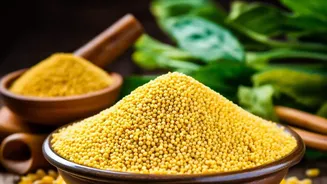
Rainy days and pakoras are a timeless combination. To give this deep-fried favourite a healthy makeover, consider replacing some of the gram flour (besan) in the batter with millet flour. Flours from little millet or pearl millet (kambu) work wonderfully. This simple substitution can result in pakoras that are not only crispier but also absorb less oil during frying. The millet flour adds a unique texture and enhances the overall flavour, whether you're making onion, vegetable, or spinach pakoras. For an even healthier twist, these can be successfully made in an air fryer, providing that desired crunch with minimal oil.
Tips for Your Millet Snack Journey
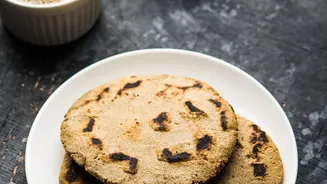
Working with millet flours can be a little different from using refined flour. To get started, keep a few tips in mind. First, since most millets are gluten-free, their doughs won't be as elastic. Mixing millet flour with a small amount of whole wheat flour or using a binding agent like gram flour or potato can help. Second, adding hot oil or ghee to the dough for snacks like chakli or mathri is a great trick for achieving extra crispiness. Finally, don't be afraid to experiment. Start by substituting a small portion of the regular flour with millet flour in a familiar recipe and gradually increase the ratio as you get more comfortable. You can try making baked crackers, cutlets, or even a mixed millet bhel puri.