





Why Humidity Wreaks Havoc on Hair
To win the battle against monsoon hair, you first need to understand the enemy: humidity. Human hair is extremely porous and sensitive to moisture in the air. The main structure of hair is made of proteins called keratin, held together by chemical bonds.
While some bonds are strong and permanent, others are weaker hydrogen bonds that break and reform when exposed to water. During periods of high humidity, your hair absorbs excess moisture from the atmosphere. This process causes the hair shaft to swell, disrupting the outer layer, or cuticle, leading to frizz, puffiness, and unruly curls. For those with fine or straight hair, this extra moisture can weigh the hair down, making it look limp and flat.
Adapt Your Washing Routine
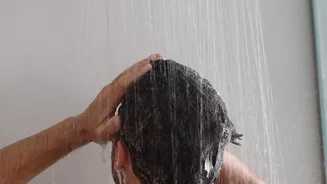
While it might be tempting to wash your hair daily to combat the sticky feeling, over-washing can strip your scalp and hair of its natural oils. This makes your dehydrated hair even more likely to absorb moisture from the air, worsening frizz. Aim to wash your hair two to three times a week with a gentle, sulphate-free shampoo. These milder formulas cleanse the scalp without causing excessive dryness. Always follow up with a hydrating conditioner, focusing on the mid-lengths and ends to seal the hair cuticle and lock in moisture. This simple step makes hair smoother and easier to manage.
The Art of Drying and Detangling
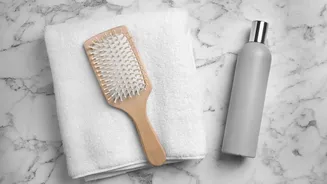
How you dry your hair is just as important as how you wash it. Vigorously rubbing your hair with a standard towel can rough up the cuticle and cause friction, which is a major culprit for frizz. Instead, gently squeeze out excess water using a soft microfiber towel or an old cotton t-shirt. When detangling, always use a wide-toothed comb, especially on wet hair, which is more fragile and prone to breakage. Start from the ends and gently work your way up to the roots to avoid creating knots and causing damage. While air-drying is a good option, tying up wet hair is a major no-go, as it can lead to breakage and scalp issues. If you must tie it up, ensure it's completely dry first.
Choose Your Styling Products Wisely
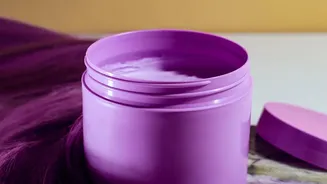
The right products create a protective barrier between your hair and the humid air. Look for anti-frizz or anti-humidity serums, creams, and leave-in conditioners. Applying a lightweight serum to damp hair can seal the cuticle and prevent it from swelling. For those with very dry hair, a pre-shampoo oil treatment with light oils like argan, jojoba, or almond oil can add a layer of protection. Unlike heavy oils, these are less likely to weigh hair down in humid conditions. If you use heat styling tools, always apply a heat protectant spray first and consider using a cooler setting on your blow dryer to minimize damage.
Don't Neglect Your Scalp
A healthy scalp is the foundation of healthy hair, and the damp, humid monsoon weather can be a breeding ground for fungal infections and dandruff. If your hair gets wet in the rain, try to rinse it with clean water as soon as possible, as rainwater can be acidic and disrupt your scalp's pH balance. Ensure your scalp is always dry. If you experience increased itchiness, greasiness, or flakiness, consider switching to a shampoo with anti-fungal ingredients like ketoconazole or tea tree oil. A weekly scalp exfoliation can also help remove buildup from sweat, oil, and products, keeping your follicles clean and healthy.
Embrace Humidity-Proof Hairstyles
Some days, fighting the frizz feels like a losing battle. On such occasions, the best strategy is to work with your hair, not against it. Protective hairstyles can be a saviour during the rainy season. Chic options like loose braids, sleek ponytails, or elegant buns not only keep your hair contained and polished but also minimize its exposure to the humid air. Avoid tying your hair too tightly, which can cause stress and breakage, especially when it’s damp. A light mist of an anti-frizz hairspray can provide extra hold and shield your style from the elements.