


The Monsoon Menace for Potted Plants
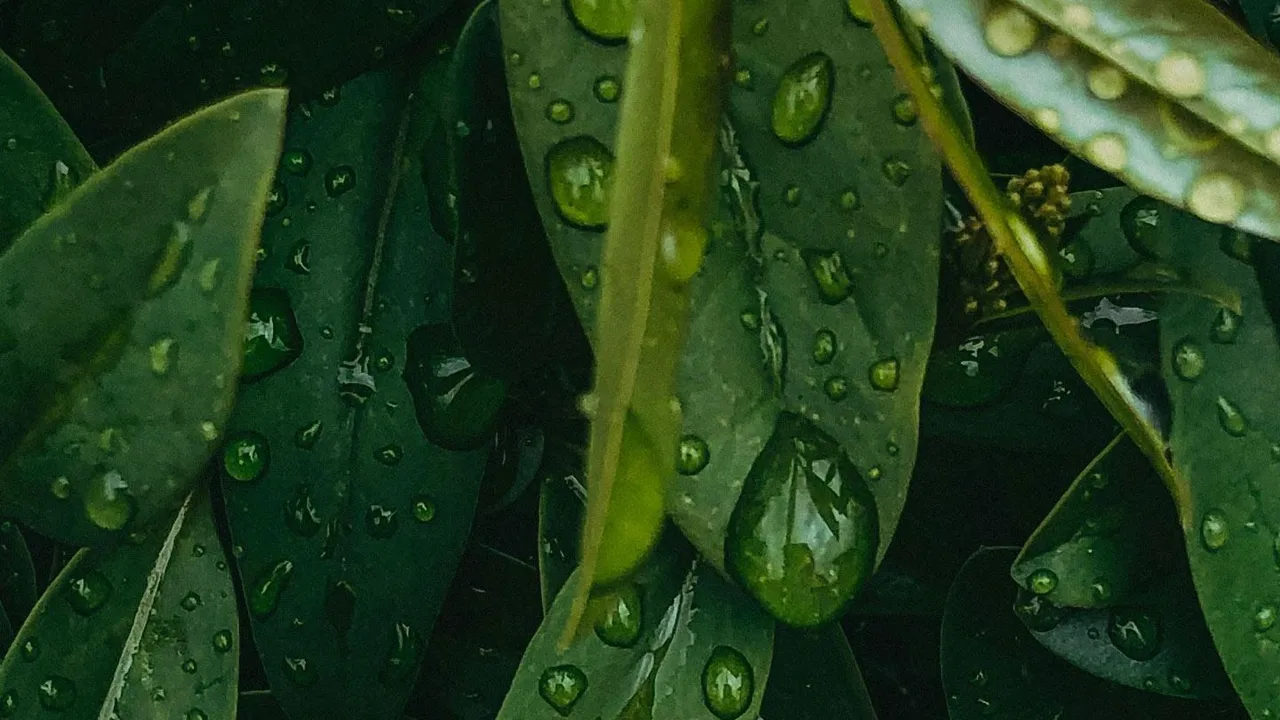
For apartment gardeners, the monsoon is both a blessing and a curse. While the rain provides natural irrigation, a relentless downpour can be destructive. The primary threat is waterlogged soil. When a pot's soil remains saturated, it cuts off oxygen
to the roots, leading to root rot, one of the most common killers of container plants. Symptoms include yellowing leaves, mushy stems, and slow growth. Beyond root rot, heavy rain can physically damage delicate flowers and leaves, compact the soil, wash away essential nutrients, and create a humid environment perfect for fungal diseases like powdery mildew. Protecting your plants is not just about keeping them dry, but about preserving the healthy ecosystem within each pot.
An Introduction to Modular Rain Shields
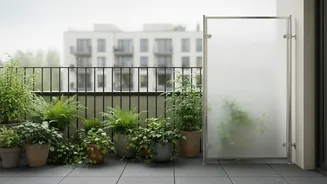
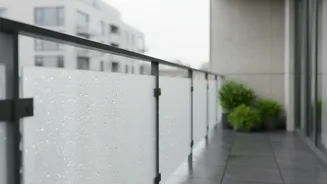
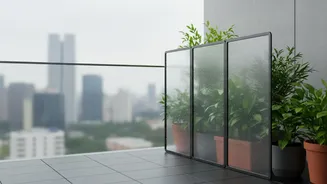
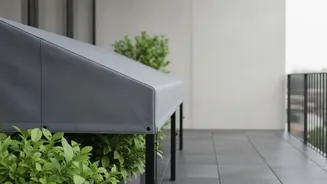
Modular rain shields are a modern solution to a timeless problem. Think of them not as a permanent roof, but as an adaptable, temporary raincoat for your plants. These systems typically consist of clear panels made from materials like acrylic or polycarbonate, held in a frame that can be easily installed on a balcony. The 'modular' aspect means they can often be adjusted, expanded, or reconfigured to fit the specific size of your balcony and the layout of your plants. Some options include roll-down blinds or screens, while others might be fixed panels that deflect the worst of the downpour. The goal is to shield plants from the direct force of heavy rain while still allowing for light and air circulation.
Benefits Beyond Preventing Waterlogging
The most obvious benefit of a rain shield is preventing waterlogged soil, but the advantages don't stop there. By shielding your plants, you protect delicate blossoms and foliage from being battered and broken by torrential rain. This is especially important for flowering plants or those with large, soft leaves. A shield also prevents soil from splashing out of pots, keeping your balcony floor cleaner and preventing nutrient-rich topsoil from being lost. Furthermore, by keeping the leaves of your plants drier, you significantly reduce the risk of fungal infections that thrive in the damp, humid conditions of the monsoon. Some systems can also offer protection from high winds that can topple pots and snap stems.
Choosing the Right Shield for Your Space
When selecting a rain shield, consider your balcony's specific needs. Look for materials that are UV-resistant to prevent them from becoming brittle and cloudy in the sun. Ventilation is crucial; a solid, sealed cover can trap heat and humidity, so look for designs that allow for ample airflow. Installation is another key factor, especially for renters. Many systems are designed for easy, damage-free installation using tension rods or clamps that attach to existing railings. Options range from premium automated zip-track blinds to simpler, manually operated roll-down screens. Evaluate the size of your garden and the types of plants you have. A small collection of succulents will have different needs than a large arrangement of tropical foliage.
Simple DIY Alternatives and Quick Fixes
A commercial modular system isn't the only option. For a quick or budget-friendly solution, you can create your own shields. A clear plastic tarpaulin or a heavy-duty shower curtain can be stretched over a simple frame made of bamboo canes or PVC pipes. Even old, clear plastic storage bins or overturned buckets can be placed over smaller, individual plants during a heavy downpour. For a very simple fix, try moving smaller and more sensitive plants closer to the wall or under an existing overhang for partial shelter. The key is to divert the direct impact of the rain. Another crucial step, with or without a shield, is to ensure all your pots have clear drainage holes and to elevate them on bricks or plant stands to help excess water escape freely.