




Know Your Parsley
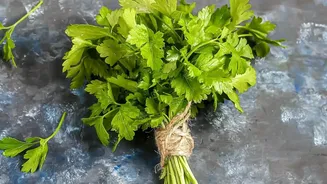
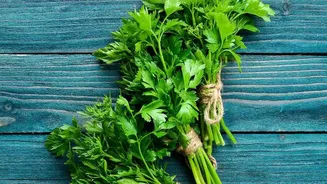
Before you start chopping, it helps to know the two main players: flat-leaf and curly. Flat-leaf parsley, also known as Italian parsley, has a more robust, peppery flavour and is generally preferred for cooking. Its smooth leaves are also easier to chop.
Curly parsley has a milder, grassier taste and its ruffled texture makes it a classic garnish, but it can also add a pleasant freshness and crunch to salads when finely minced. For most recipes where you want a distinct parsley flavour to shine through, reaching for the flat-leaf variety is your best bet.
Become the Star of the Sauce
Parsley is the backbone of some of the world's most dynamic uncooked sauces. The most famous is arguably Argentina's chimichurri, a vibrant mix of finely chopped parsley, garlic, oregano, olive oil, and red wine vinegar. It's a perfect accompaniment to grilled steak, chicken, or fish. Italy offers gremolata, a simpler but equally punchy condiment made from parsley, lemon zest, and garlic, traditionally served with osso buco but fantastic on any roasted meat or vegetable. France contributes persillade, a simple but flavourful mixture of chopped parsley and garlic that can be stirred into dishes at the end of cooking or mixed with oil to create a finishing sauce.
Build a Better Salad
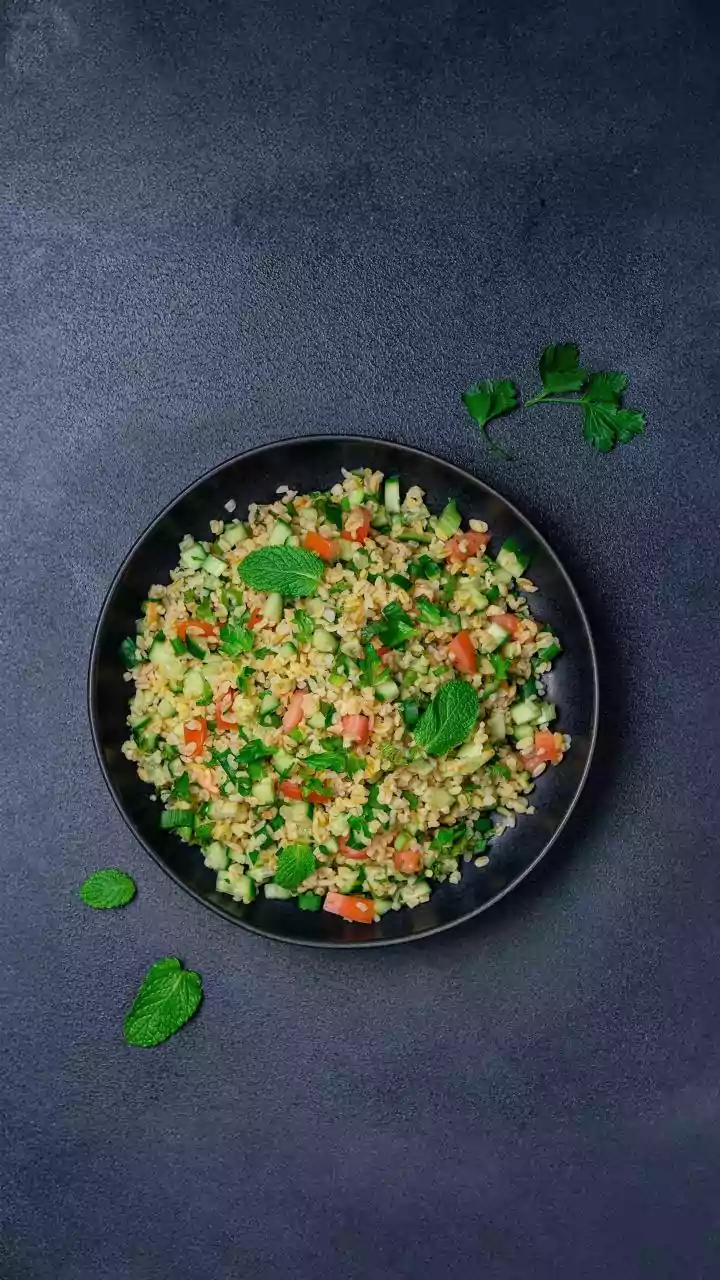
Think beyond a few token leaves. In many cuisines, parsley isn't an accent; it's the main event. Look no further than tabbouleh, a classic Middle Eastern salad. A proper Lebanese tabbouleh is not a grain salad but an herb salad, featuring heaps of finely chopped parsley, mint, tomatoes, scallions, and a small amount of bulgur wheat, all brought together with lemon juice and olive oil. The result is an incredibly fresh and flavourful dish where parsley’s bright, clean taste is the star of the show. You can use either curly or flat-leaf parsley, but the key is to use a lot of it—often two full bunches.
Make a Parsley Pesto
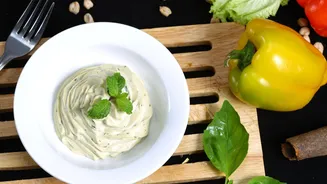
While basil gets all the pesto glory, parsley makes a fantastic, budget-friendly alternative. Parsley pesto has a bright, peppery flavour that is less sweet than its basil counterpart. The process is the same: simply blend a large bunch of flat-leaf parsley with garlic, pine nuts (or walnuts), Parmesan cheese, and a good quality olive oil until it forms a paste. A squeeze of lemon juice can brighten the flavour even more. This versatile pesto is delicious tossed with pasta, spread on sandwiches, dolloped into soup, or used as a marinade for chicken or fish.
Flavour Soups and Stews
Parsley is a foundational flavour in many soups and stews. It's a key component of a classic 'bouquet garni,' a bundle of herbs tied together and simmered in stocks and broths to add depth. When used this way, the stems are particularly valuable as they are packed with flavour. You can add whole stems to your stockpot and remove them before serving. For a brighter, fresher finish, stir a handful of chopped fresh parsley into a soup or stew just before you take it off the heat. There are even soups where parsley is the main ingredient, like creamy parsley root soup or a simple, vibrant cream of parsley soup.
Don't Waste the Stems
Whatever you do, don't throw away the parsley stems. They are packed with even more flavour than the leaves and can be used in a number of ways to reduce waste and boost taste. Finely chop them and add them to stocks, soups, and stews for a deep, herbaceous base. You can also toss them into a blender when making smoothies or green juices for an extra nutritional kick. Another clever use is to add them to a bowl of water to create 'acidulated water', which can prevent cut fruits and vegetables like apples or artichokes from browning.