






What Gives It That Striking Colour?
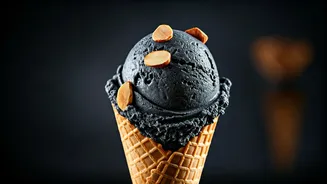
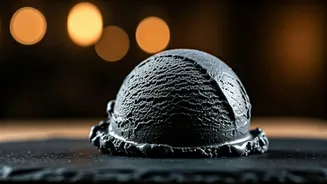
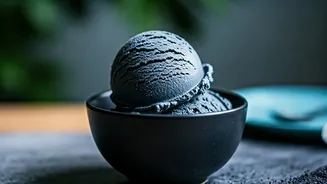
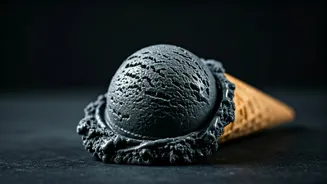
Scrolling through photos of this dessert can be baffling. Is it an ultra-dark chocolate? A squid ink concoction? The secret is surprisingly simple: activated charcoal. Specifically, many varieties are made from coconut ash, which is created by burning
coconut shells at extremely high temperatures and processing the remains. [7, 8, 14] This fine, black powder is then mixed into a fairly standard ice cream base. The result is a scoop that is intensely and uniformly black, without the use of any artificial food colouring. [17] This 'goth' dessert first gained global fame in cafes from New York to Tokyo, becoming an instant viral hit for its dramatic, moody aesthetic that stands in stark contrast to the typically colourful world of frozen treats. [4]
But How Does It Actually Taste?
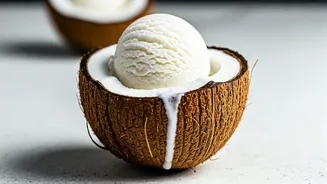
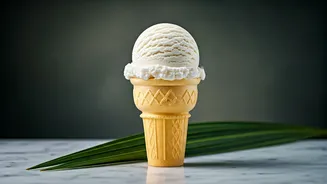
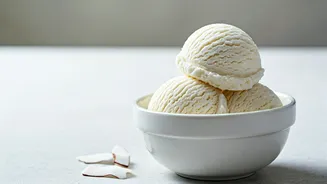
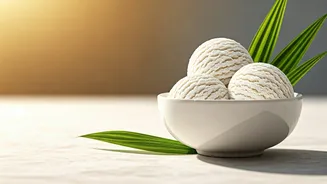
This is the most common question, and the answer is often a surprise. Despite its dark and mysterious appearance, black ice cream does not taste like ash, smoke, or charcoal. [4] Activated charcoal is almost entirely flavourless and odourless, so its role is purely visual. [2] The actual flavour comes from the ice cream base itself, which is frequently coconut or a creamy vanilla. [3, 7] So, when you take a bite, you’re met with a familiar, sweet, and creamy taste that plays a delightful trick on your senses. Some recipes use coconut milk, coconut cream, and coconut flakes, giving it a rich and authentic tropical flavour. [7, 18] A few people have reported a slightly gritty or chalky texture, but most artisanal versions are perfectly smooth. [5]
A Treat Made for Social Media
In the age of 'eating with your eyes', black ice cream is a certified star. Its stark, minimalist look is incredibly photogenic, making it a dream for Instagram and TikTok. [15] Food trends in 2026 continue to be driven by visual appeal, and this dessert is a prime example of a dish that is as much an aesthetic statement as it is a treat. [6, 16] People are often drawn to foods that look unique and create a memorable picture, whether it's the contrast of the black scoop against a colourful topping or the novelty of a black-stained tongue. This social media buzz is a huge part of its popularity, turning a simple dessert into a must-try experience that people will travel to find. [15, 17]
The Health Question: Detox or Hype?
This is where things get complicated. Activated charcoal is sometimes promoted in wellness circles for its 'detoxifying' properties. [4, 19] Medically, it is used in emergency rooms to treat certain types of poisoning and drug overdoses because it can bind to toxins in the stomach and prevent them from being absorbed into the bloodstream. [8, 9] However, the very small amounts used in ice cream are unlikely to have any significant health benefits. [10] In fact, experts warn against viewing it as a health food. [7, 11] That same binding property that makes it useful for treating poisoning means it can also interfere with the absorption of essential nutrients and, more importantly, prescription medications, including birth control. [8, 9] Anyone on regular medication should be cautious. In short, it’s a novelty, not a health supplement.
Will You Find It in India?
While black ice cream has appeared in some metro cafes in India over the years, it hasn't become a mainstream sensation like it has elsewhere. The Indian ice cream market is currently celebrating its own icons. Recently, global food guide TasteAtlas recognized five Indian creations, including Naturals' Tender Coconut, Mangaluru’s Gadbad, and Mumbai's classic ice cream sandwich from K. Rustom. [21, 22] These local favourites, celebrated for their authentic flavours and nostalgic value, dominate the scene. [22] So, while our love for coconut ice cream is strong—especially the kind with real coconut pieces—the jet-black coconut ash version remains more of a global curiosity you're likely to see online rather than at your neighbourhood ice cream parlour. [20, 23]