





The Monsoon Skin Challenge
The rainy season in India is synonymous with high humidity. This intense moisture in the air might feel good, but it can send your skin into a frenzy. Increased humidity often leads to excessive sebum (oil) production, making skin feel greasy and sticky.
This creates a perfect storm for clogged pores, blackheads, and dreaded acne breakouts. Furthermore, the damp environment is an ideal breeding ground for bacteria and fungi, increasing the risk of skin infections and irritations. Many people find their skin becomes dull, oily, and more prone to sensitivity during this time.
Snail Mucin: A Double-Edged Sword?
Snail mucin, a K-beauty superstar, is celebrated for its incredible hydrating and reparative properties. Packed with ingredients like hyaluronic acid and glycoproteins, it helps heal, moisturize, and give skin a plump, dewy glow. However, its very richness can be a drawback in the peak humidity of monsoon. Because it's a powerful humectant, it draws moisture from the air. When the air is excessively damp, this can sometimes lead to a heavy, slightly tacky feeling on the skin's surface. For those with oily or acne-prone skin, heavy layers can feel suffocating and potentially contribute to congestion.
The Case for Plant Botanicals
This is where plant botanicals come in as a refreshing alternative. Many plant-derived ingredients offer lightweight hydration and, crucially, come with additional benefits that are perfectly suited for monsoon skin woes. They can provide anti-inflammatory, antibacterial, and oil-balancing properties without the risk of feeling heavy or greasy. They absorb quickly, work to soothe irritation, and help keep breakouts at bay, making them an ideal switch for the season.
Cica: The Soothing Saviour
If you're dealing with redness and irritation, Centella Asiatica, or Cica, is your new best friend. Nicknamed "tiger grass," this herb is renowned for its powerful calming and healing abilities. It's brilliant for soothing inflamed skin, reducing the angry red appearance of monsoon breakouts, and strengthening a compromised skin barrier that's been battered by fluctuating weather. Unlike heavier hydrators, Cica provides relief with a lightweight feel, making it perfect for sensitive and reactive skin during this season.
Neem & Tulsi: The Anti-Acne Powerhouses
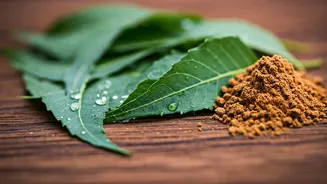
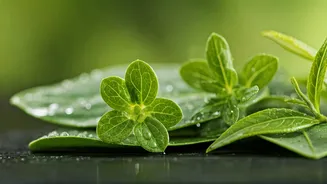
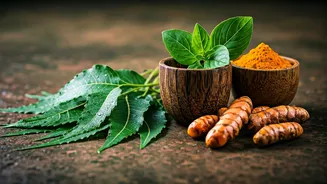
For generations, Indian households have turned to Neem and Tulsi for their medicinal properties, and for good reason. Both herbs are potent antibacterial and antifungal agents, making them exceptionally effective at tackling the root causes of monsoon acne and infections. Neem helps purify the skin and control oil, while Tulsi (Holy Basil) is excellent for clearing out pores and detoxifying the skin. Using cleansers or face packs with these ingredients can help keep your complexion clear and infection-free.
Green Tea & Aloe Vera: Lightweight Hydration Heroes
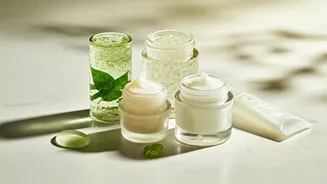
The idea that oily skin doesn't need a moisturiser is a myth, especially during the monsoon. Skipping it can cause your skin to produce even more oil. The key is using a lightweight hydrator. Green tea extract is a fantastic choice as it's packed with antioxidants that help control sebum and soothe skin. Similarly, Aloe Vera is over 90% water, offering deep hydration without any greasiness. It also has a cooling effect that calms down irritated, sweaty skin, making it a perfect final step in your rainy-season routine.